If you are going to use any fragment of this article, please write to me in the comments section so that the corresponding authorization can be granted.
Tabla de contenidos
A bit of context
Since I became interested in the history of video games at the age of 12, I have always been fascinated by their earliest origins.
Due to my extreme curiosity, it didn’t take me long to discover that one of the earliest and most interesting links to video games came from my own country Spain. It was an obscure and unknown console called Overkal.
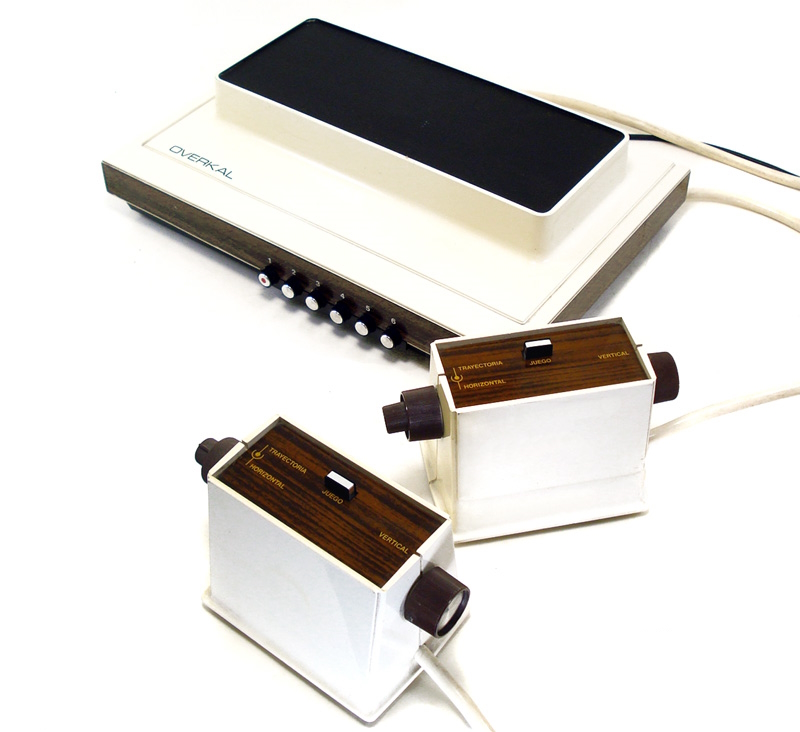
Image courtesy of Pong Picture Page
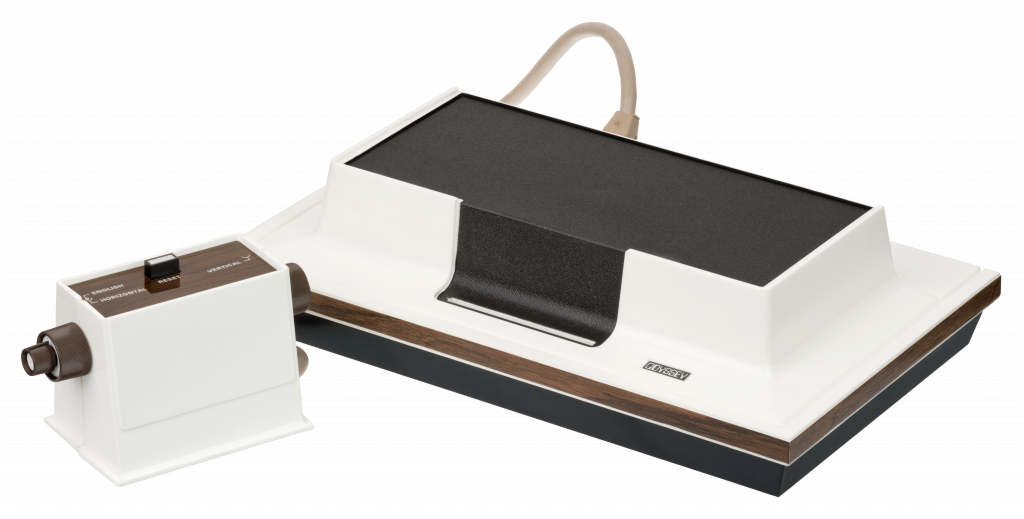
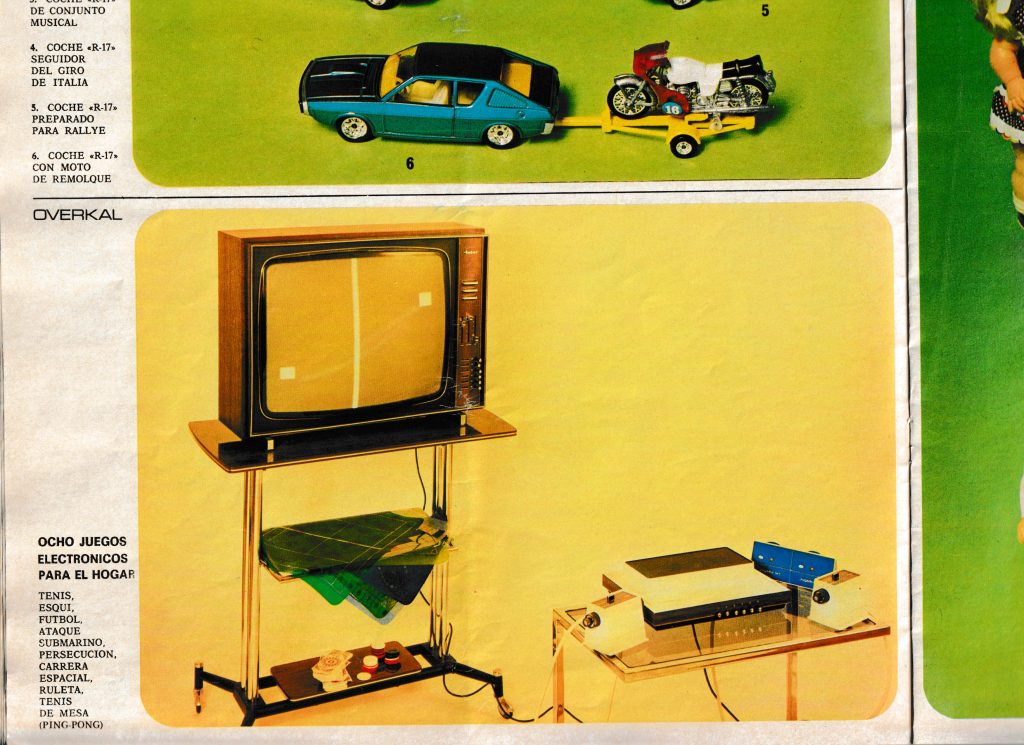
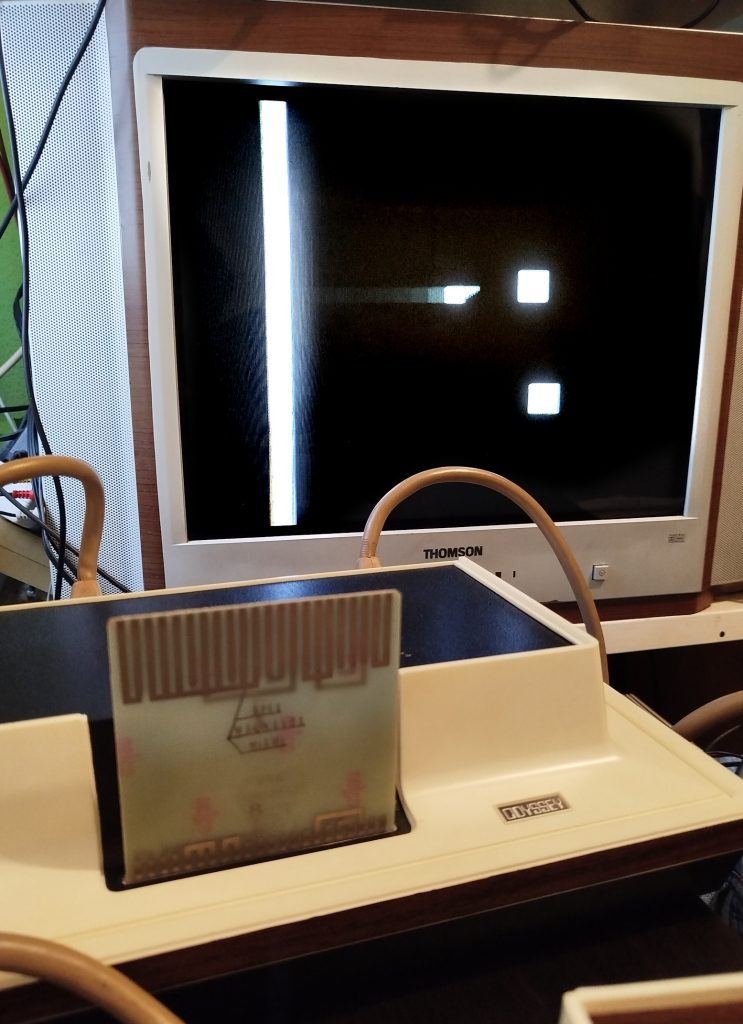
An extremely difficult to find and highly coveted Spanish Magnavox Odyssey clone, from an unknown manufacturer and date, believed to date back to 1973, which would possibly make it the first console designed and manufactured outside of the United States and the second console in history. However, there was no doubt that it was the first pirate console in history.
The chances of finding information about the Overkal for many were, to say the least, quite remote.
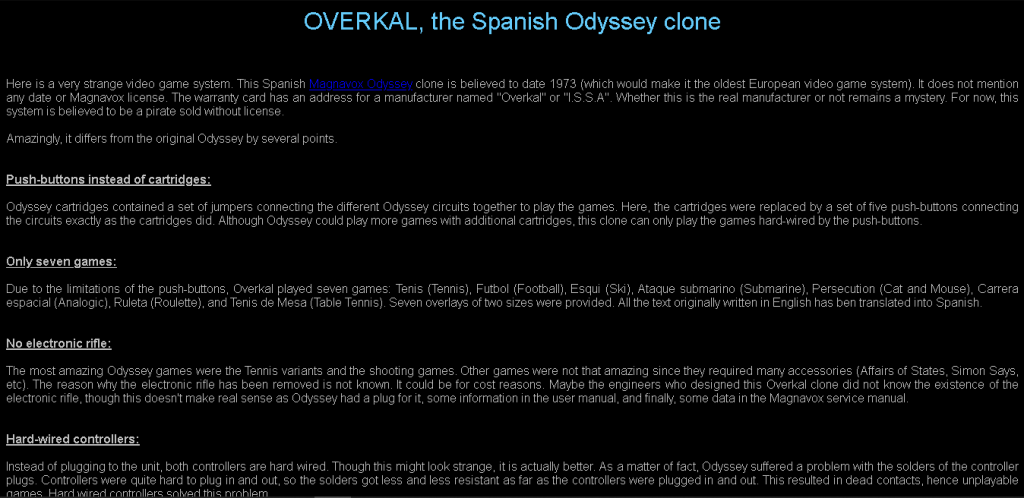
One of the early internet clues about the Overkal comes from David Winter, a collector and enthusiast of documenting prehistoric consoles, who dedicated a page to it on his website Pong-Story in the early 2000s.
Click on the image to access the page.
David used to acquire rare Pong consoles through second-hand boards and contacting individuals. In this case, he acquired an Overkal from a user on a Spanish forum, who documented on the forum that he had obtained a Spanish clone of the Magnavox Odyssey at the Rastro de Madrid. David paid 400 euros for the Overkal, which caught the attention of all forum users.
By that time, David Winter was collaborating with Ralph Baer (inventor of the Brown Box, i.e., the prototype that became the Magnavox Odyssey), making some videos related to the Odyssey, as well as contributions to his Pong-Story page. Baer had the opportunity to see the Overkal, and this was his opinion:
Still, this is an interesting unit obviously designed by someone who knew what they were doing, a pirated design with switches replacing the jumper connections made by the normal Odyssey p.c. cards.
I like the idea. If he had put in more switches, he could have played not only all of the Odyssey games but some new ones… but that clearly wasn’t the objective, which was to make something that would sell… altogether: Clever, but a freak!
Ralph H. Baer
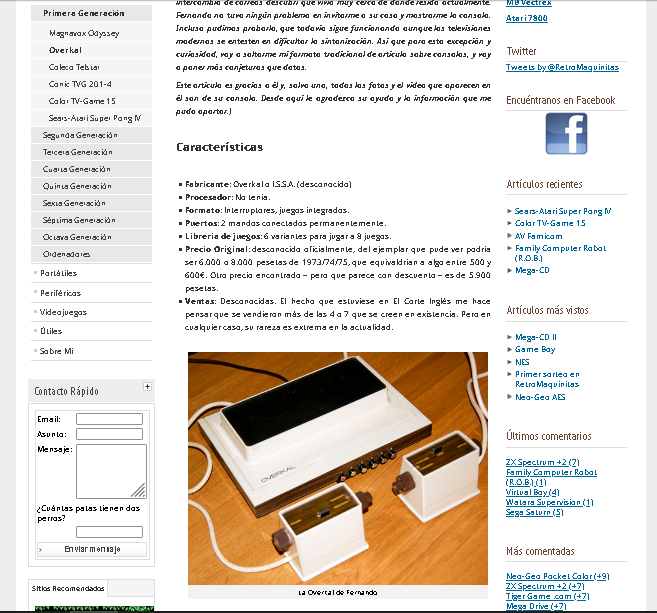
The first person to seriously document the Overkal was Marçal Mora Cantallops, an Industrial Engineer and computer game writer, owner of the website RetroMaquinitas.com, who published this interesting article with photographs of a console owned by a person who contacted him in 2013.
Overkal article on RetroMaquinitas.com published in 2013. Click on the image to access the page.
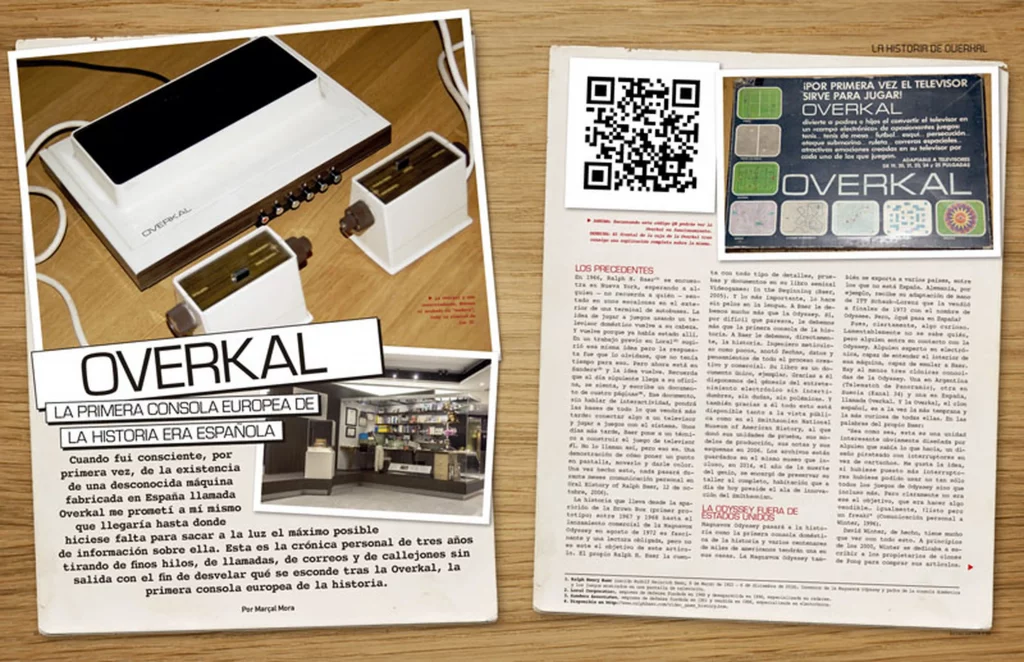
In RetroGamer (Spanish edition of the retro videogame devoted magazine) issue number 17, from October 2016, Marçal published a research article on the console, providing two important pieces of information, the first being that its manufacturer was Inter Electrónica, and the other that it was launched in the spring of 1974. Without a doubt, they were very revealing pieces of information, although they certainly left you wanting to know more…
Courtesy of Axel Springer Spain
On my part, I’ve been trying to gather information and a few interesting facts about the Overkal for about eight years, always with the idea of putting it together one day. But I never followed through, I’d say mostly because I lost interest in video games at the time.
However, around June 2023, one night while lying in bed unable to sleep due to the heat and mosquitoes, an idea came to me that seemed far-fetched: to document the origins of video games in Spain, including, of course, the history of the Overkal, which had been a personal goal for years.
So, I set out to investigate for months, trying to uncover everything I could about this console, to see just how far I could go.
After about nine months of contacting people, conducting interviews, digging through archives and magazines, and organizing the information I had collected over the years… This is the result of that research. Whether it’s a lot or a little, this is at least part of the story of the Overkal and some of its creators.
Origins
To talk about the Overkal, I believe it is essential to understand the history and philosophy of its manufacturer, Inter Electrónica, the story of how its founder José Gómez Serrano managed to create from humble beginnings, a giant fundamental in the development of radio and television in Spain between the 1940s and 1970s.
José Gómez Serrano Portrait made by the Diario de Barcelona in 1966
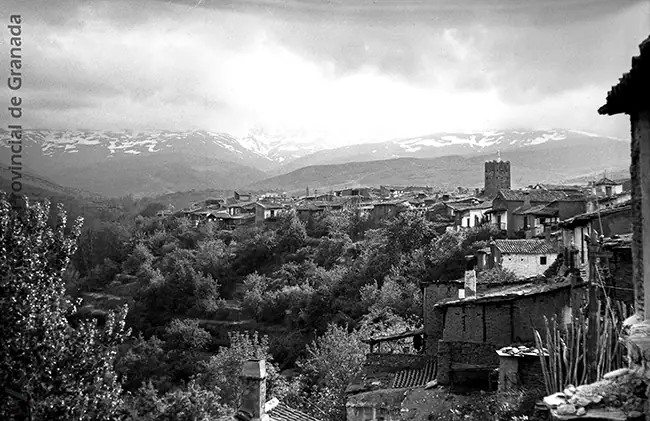
José María Gomez Serrano was born in 1898 in Jerez del Marquesado, a town located in Granada.
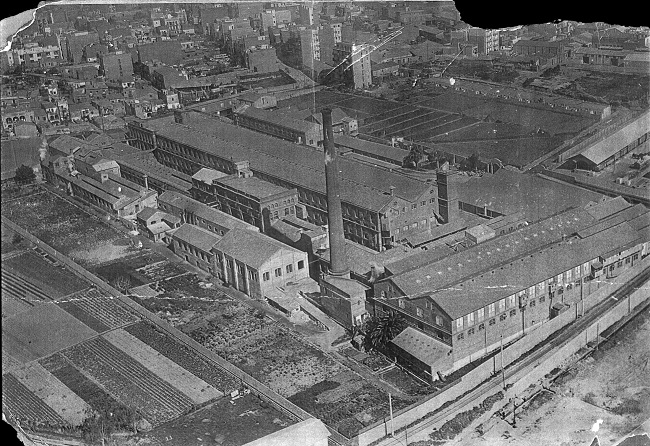
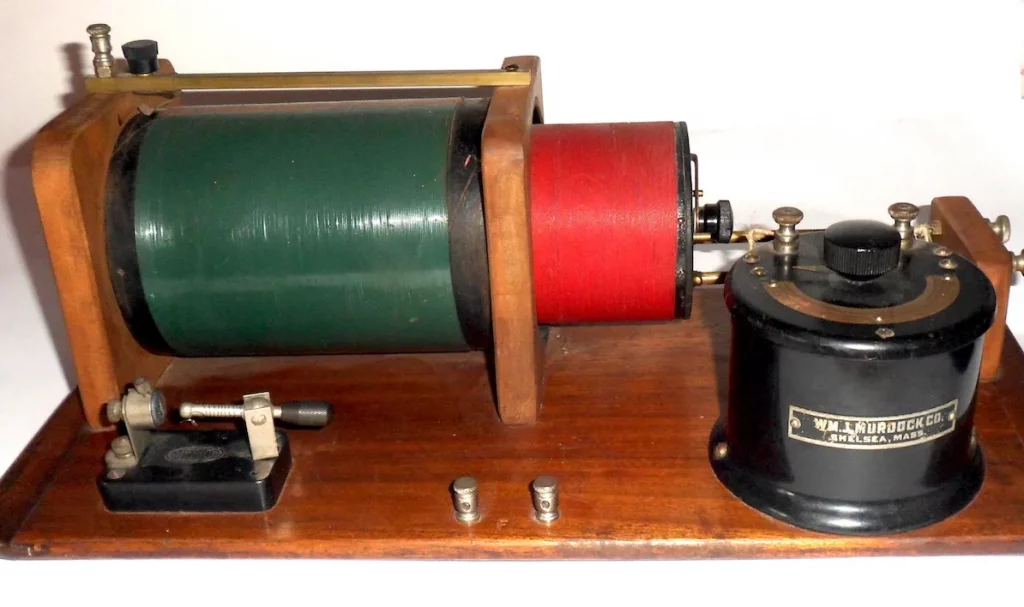
In 1919, he moved to Barcelona to work in the looms of Can Batiló, owned by Gamón and Gómez. It was there where he began his interest in electronics, while working in the looms he entertained himself by making galena radio receivers.
Can Batiló textile factory.Example of a galena radio from the 1910s
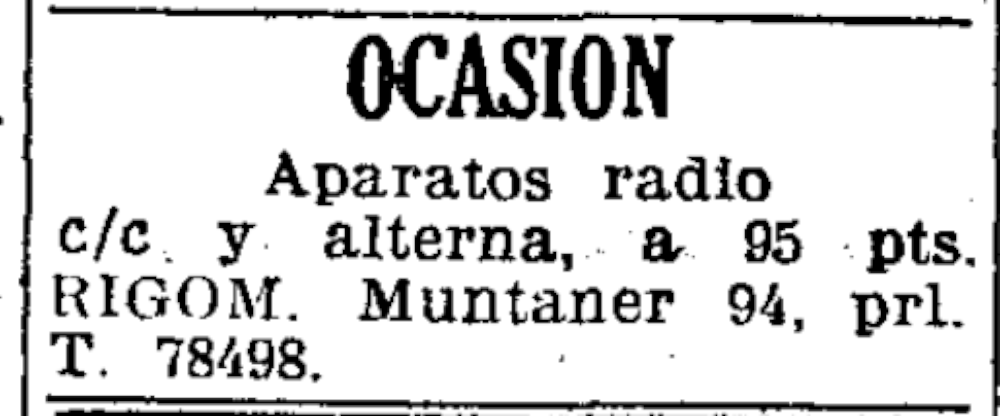
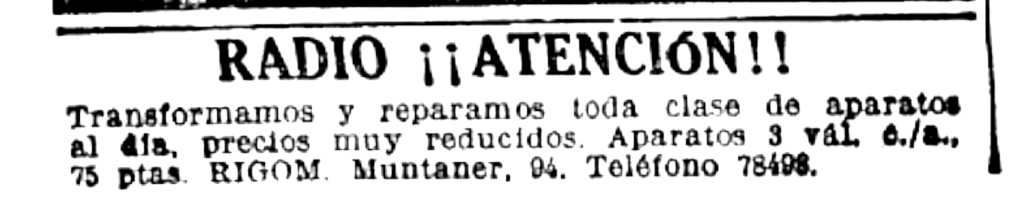
He associated himself with Mr. Rigau (of Argentine origin), founding in 1929 the small company manufacturing and repairing radio receivers Rigom (acronym of Rigau and Gómez) – National Manufacturing of Radio Sets, Amplifiers, and Accessories, with headquarters at 94 Muntaner Street. Rigau disappeared during the Spanish Civil War. According to José María, he was never executed because he was practically the only one in Barcelona who manufactured and repaired radio sets for unions and committees.
RIGOM’s ads appeared in La Vanguardia de Barcelona between 1934 and 1937.
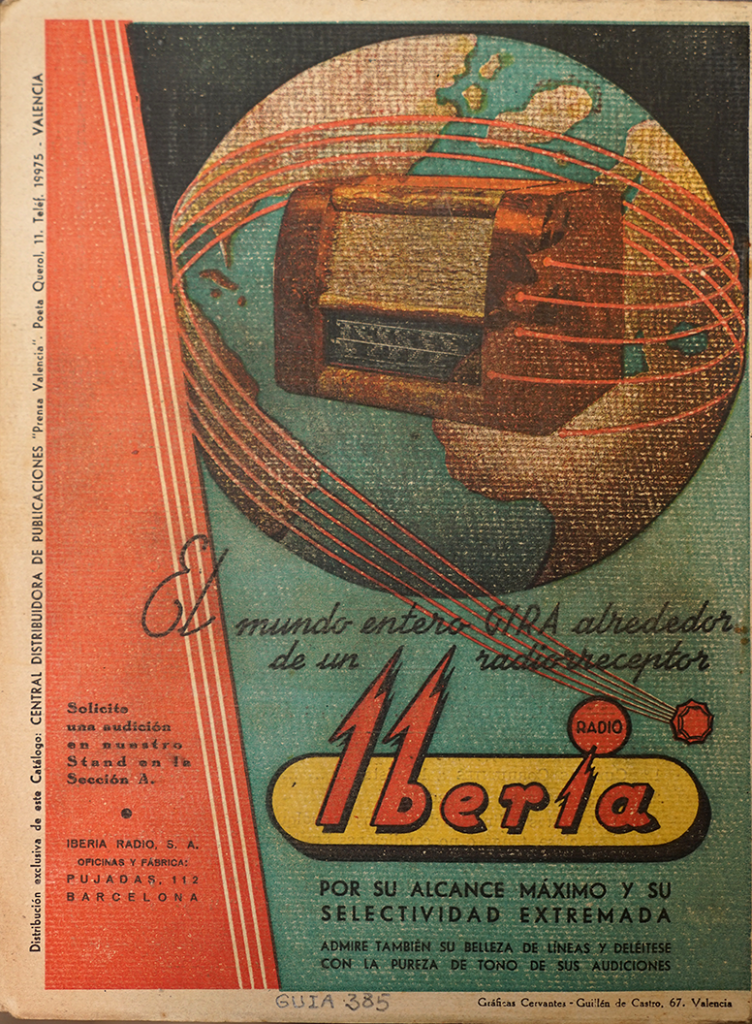
Immediately after the Civil War in 1940, Gómez Serrano, along with several partners, founded Iberia Radio, S.A., located at 112-118 Pujadas Street in Pueblo Nuevo (Barcelona). Later, he made his brother Baldomero Gómez Serrano a partner in the company, enrolling him in an industrial school to receive training in electronics. Iberia Radio achieved success by marketing its first radio models.
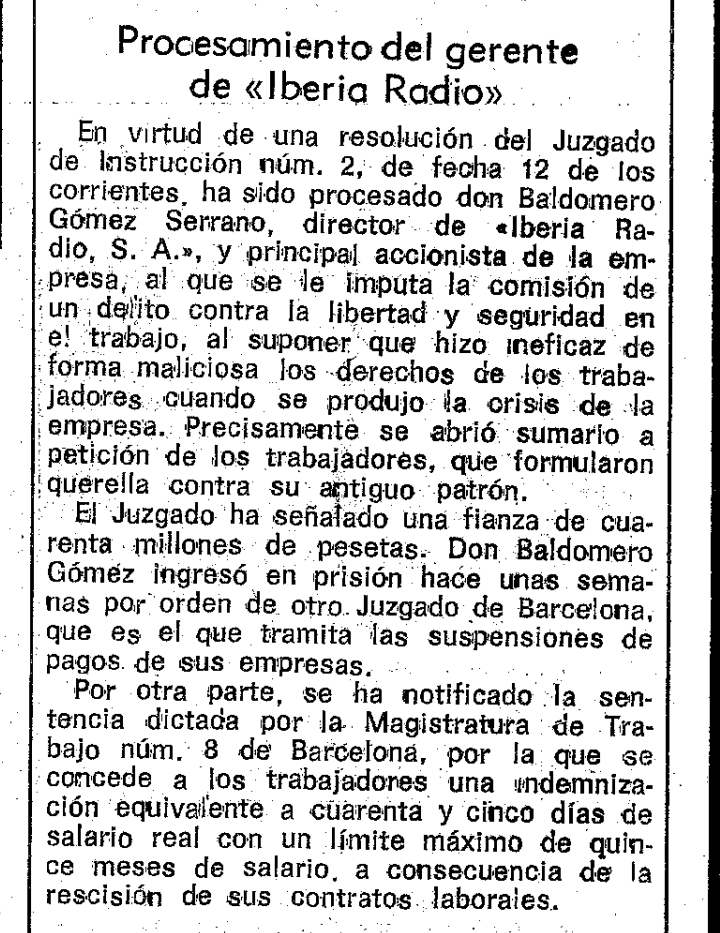
Around 1946, due to conflicts of interest with his brother Baldomero, he decided to leave Iberia. Baldomero Gómez Serrano took over as director and led Iberia Radio for almost 30 years, until the company’s controversial disappearance in 1975 due to the crisis facing the company, mostly due to numerous labor disputes.
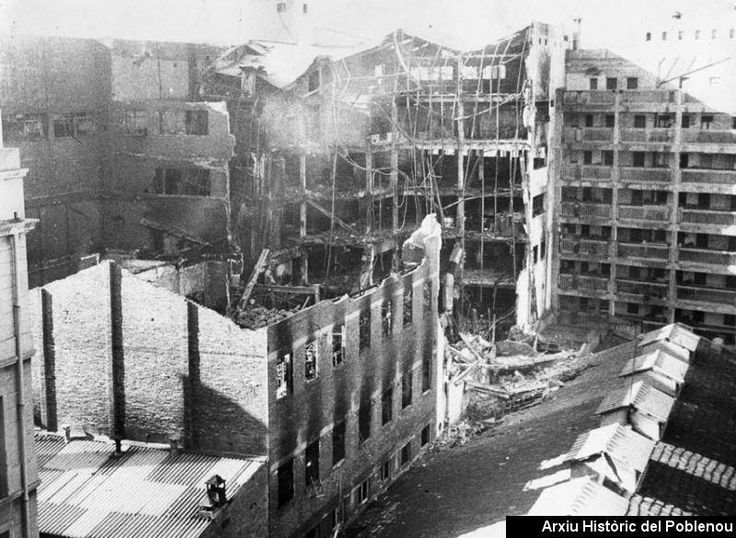
Remains of the Iberia Radio factory after the fire (1971)Hoja del Lunes (Barcelona Edition) November 29, 1971Diario Pueblo November 29, 1971 Biblioteca de Prensa Histórica (Ministerio de Cultura y Deporte)
A story that could be an article in itself. It all began with the destruction of the factory due to a suspicious fire in November 1971, which tragically claimed the lives of three firefighters. Surprisingly, this was the ninth fire since 1962. The factory’s closure and the non-payment of workers’ wages led to a severe labor crisis at Iberia, which was further worsened when it was revealed that, behind the scenes, Iberia had been constructing a new factory in Cervera (Lleida), intending to hire local workers at lower wages.
Baldomero Gómez Serrano was accused of various crimes, including fraudulent management, and was imprisoned in 1976.
The History of Inter Electrónica
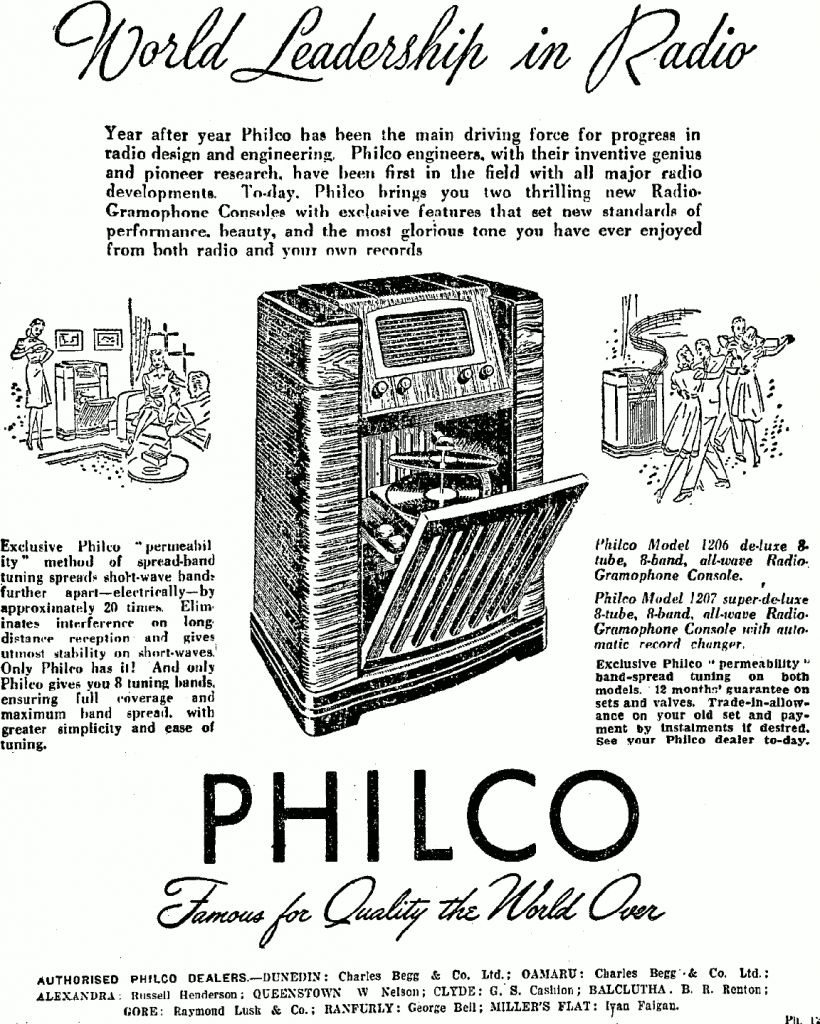
After leaving Iberia Radio, José Gómez Serrano moved to the United States for a while to work for Philco, with whom he had already established relations while he was director of Iberia. He gained new knowledge and insights into the future of radio, as well as being aware of a revolutionary new technology that would arrive in Spain in the coming years, television.
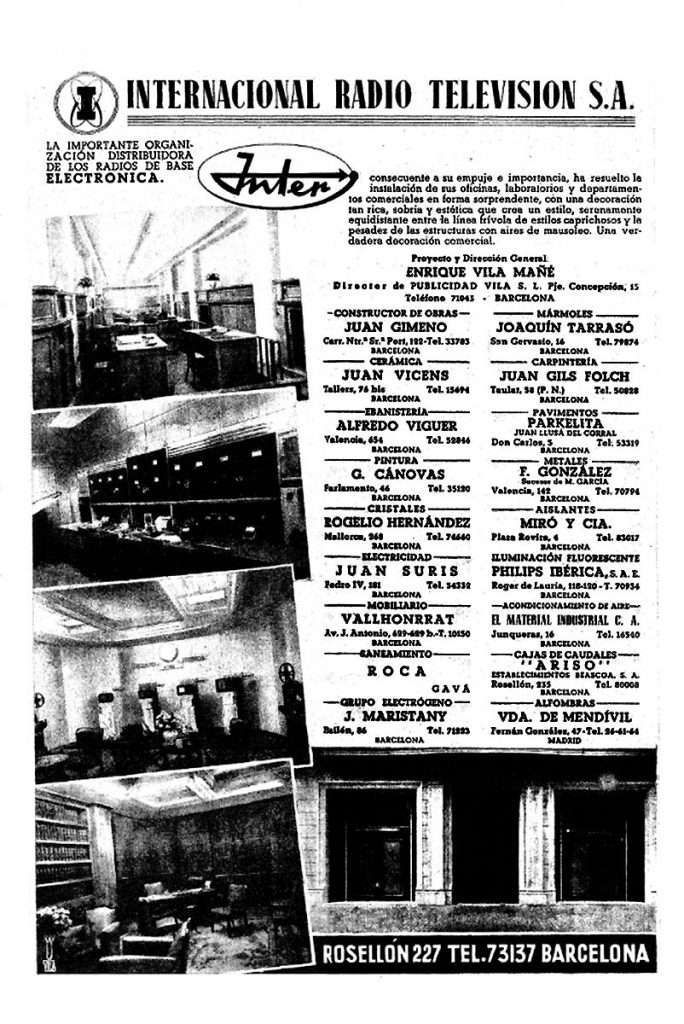
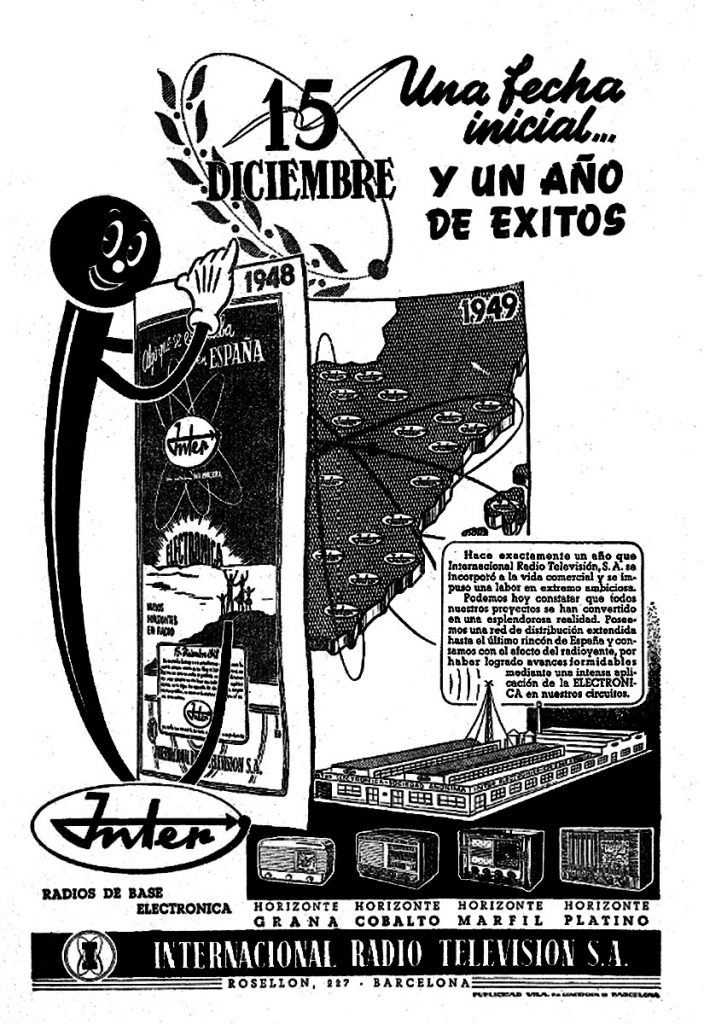
Some time later, he returned to Barcelona and, along with several partners, founded the company Internacional Radio Televisión, S.A. on December 15, 1948. The company’s headquarters were located at 227 Rosellón Street in Barcelona, with the factory situated at 312 Travesera de las Corts. A portion of the company’s initial workforce consisted of neighbors from his hometown, Jerez de Marquesado, who had moved to Barcelona. José María made sure that his fellow townspeople received training in electronics.
“He [José Gómez Serrano] brought in all the people from Jérez. I mean it, I’ve counted nearly a hundred people from Jérez who worked here at Inter, without knowing the first thing about it. That man got them jobs. He once went up to Avellanet, who was the factory manager and head of personnel, and told him: ‘Avellanet, five guys from my hometown are coming over, and I want you to give them a job.’ ‘But man, they don’t have any experience.’ ‘Well, they’ll work, doing whatever, they’ll figure it out.’ And that’s how he did it.”
José María Torres Gómez Marcharse lejos – Migraciones granadinas a Barcelona durante el primer franquismo (1940-1960) “Going Far Away – Granadan Migrations to Barcelona during Early Francoism (1940-1960)”, doctoral thesis by Enrique Tudela Vázquez. Universitat de Barcelona, 2018.
Inter Electrónica logo (1948 – 1963)
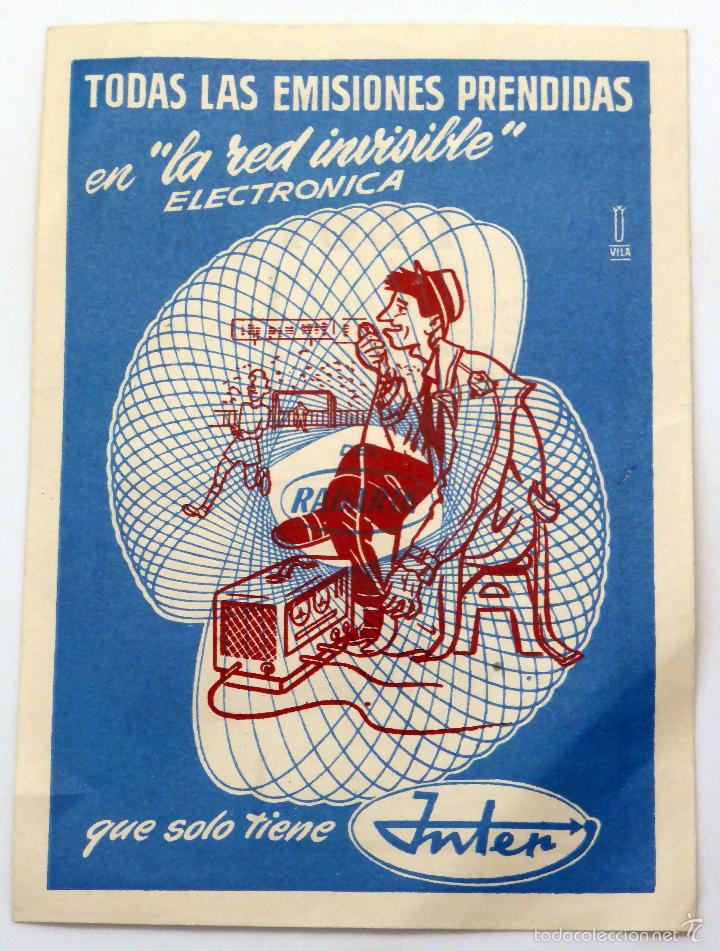
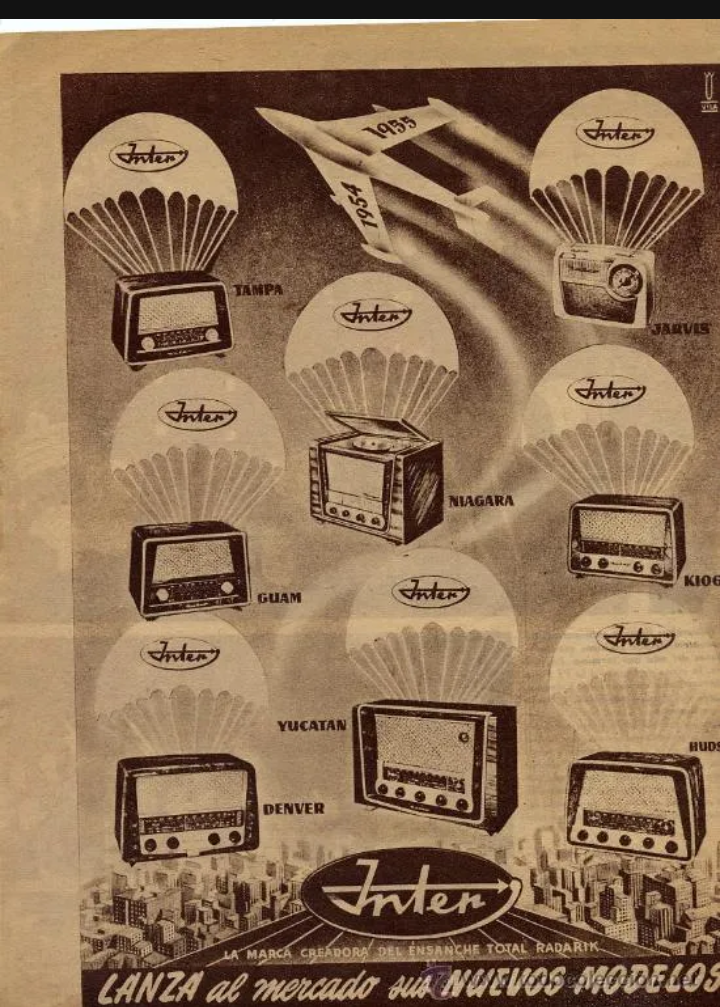
During the 1950s, the company gained enormous presence in the Spanish market by introducing numerous models of radio receivers.
Due to a lack of expertise in manufacturing their own television receiver model, José Gómez Serrano traveled to Italy to the offices of Magnadyne Radio. He gave them permission to use their patents. Thus, Inter introduced its first television model in 1958, the TV-214, based on a Magnadyne television.
Inter TV-214 (1958)
As a result, Inter Electrónica had a relationship with the Italian radio and television manufacturer Magnadyne. This provided the technological basis for Inter’s development, based on Italian patents for its television receivers.
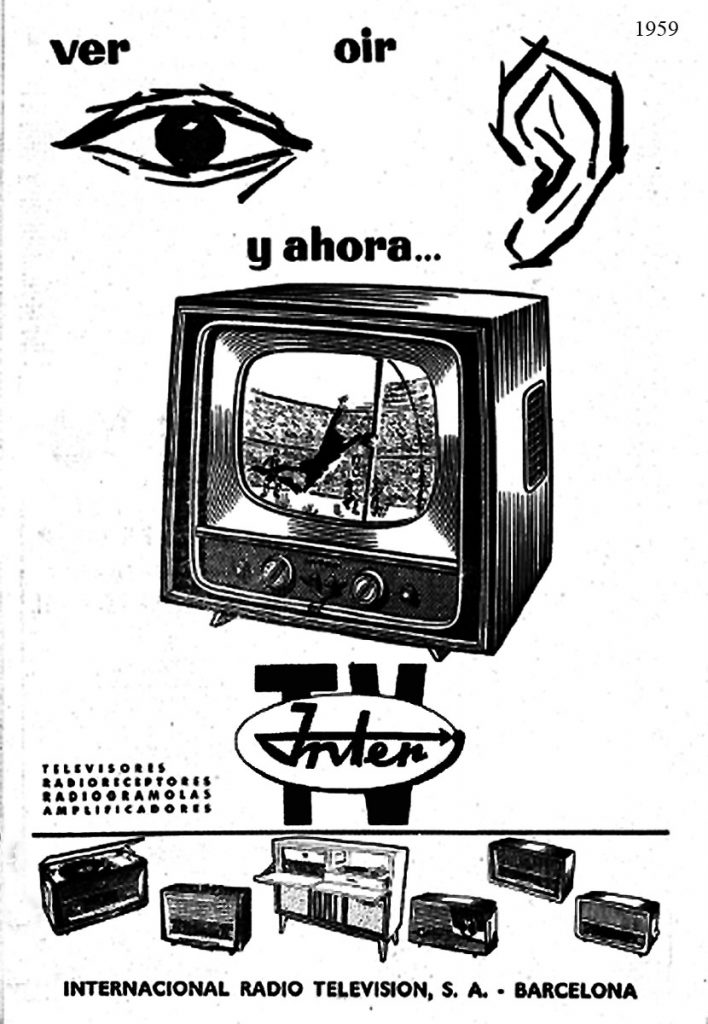
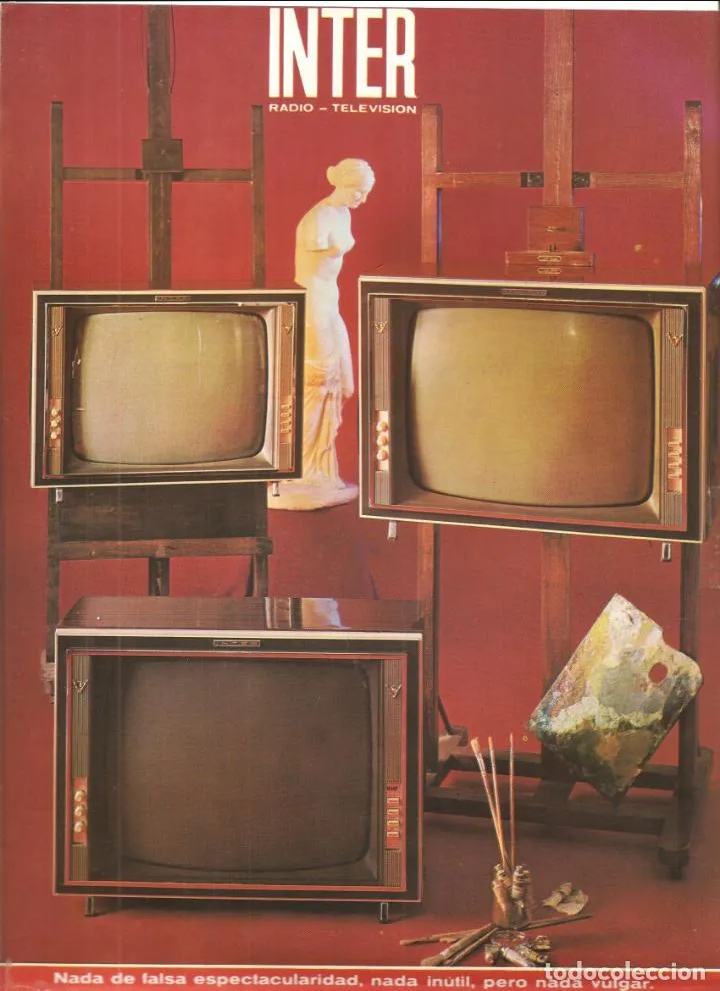
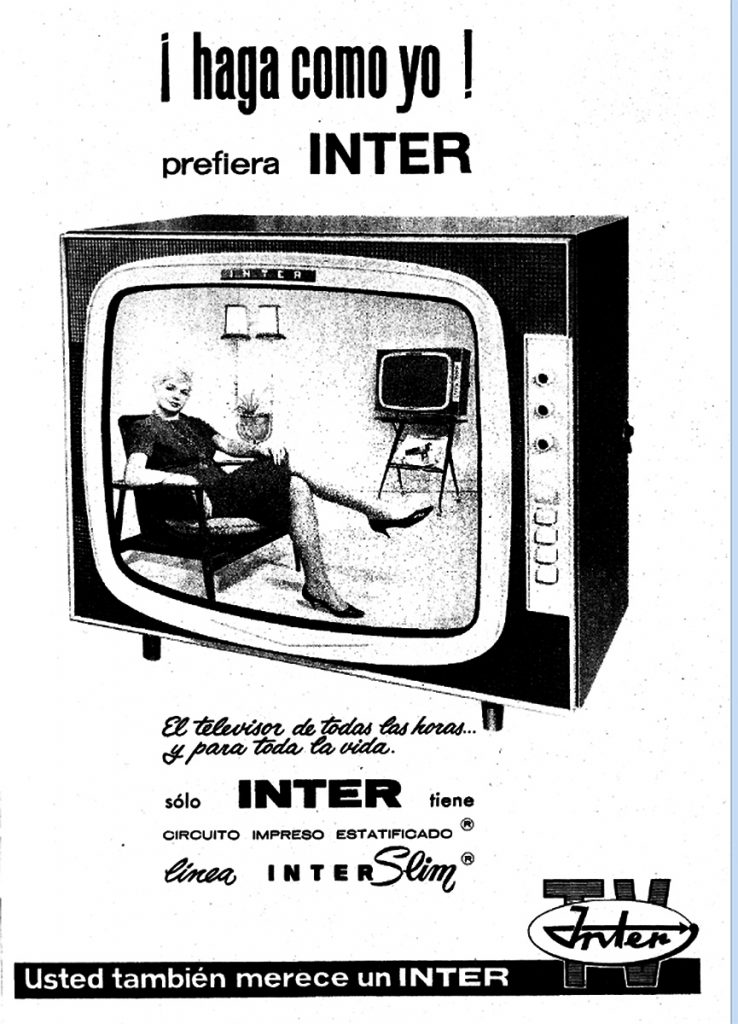
Thanks to the growing demand for television, continuous innovation, the introduction of new products, and an extensive distribution network, Inter gained significant presence across Spain during the 1960s and experienced rapid, monumental growth. Inter became one of the most important national brand in consumer electronics field in Spain. For many Spanish households in the 1960s, their first television was an Inter.
Various 1960s Inter TV advertisement from magazines and newspapers
To ensure technical service coverage in Spain’s major cities, the subsidiary Inter Servicio, S.A. was established in 1963, with authorized workshops spread across the country. Gómez Serrano himself would often visit these workshops during his road trips throughout Spain.
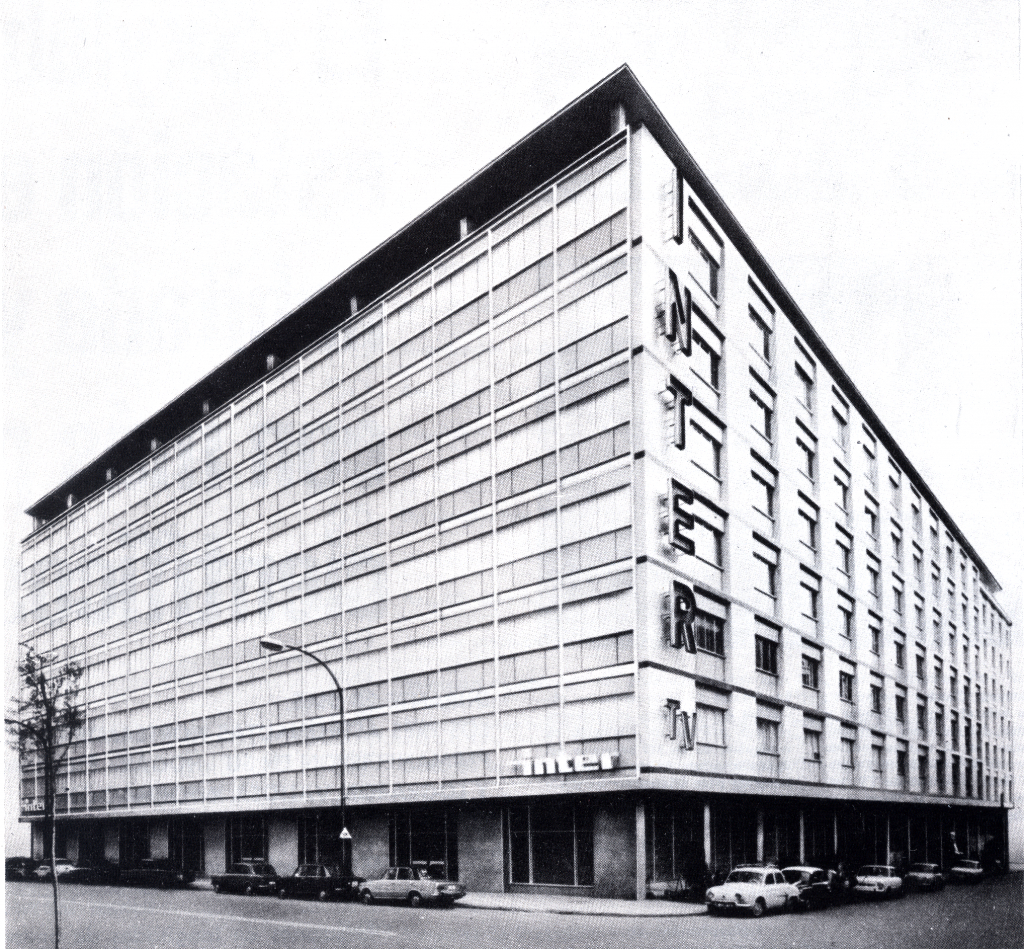
Inter dismantled the old factory and built a massive factory and office complex at the same location on Travesera de las Corts. The new facility was inaugurated on June 27, 1966, with the attendance of the then-Minister of Industry, Gregorio López Bravo.
July 4, 1966 (“Pueblo” newspaper) Courtesy of Biblioteca de Prensa Histórica (Ministerio de Cultura y Deporte)
The management of Inter Electrónica’s Divisions was in the hands of José Gómez Serrano’s two sons. Pascual Gómez Aparicio held the position of General Director of the company and the factory, while Rafael was the Commercial and Distribution Director.
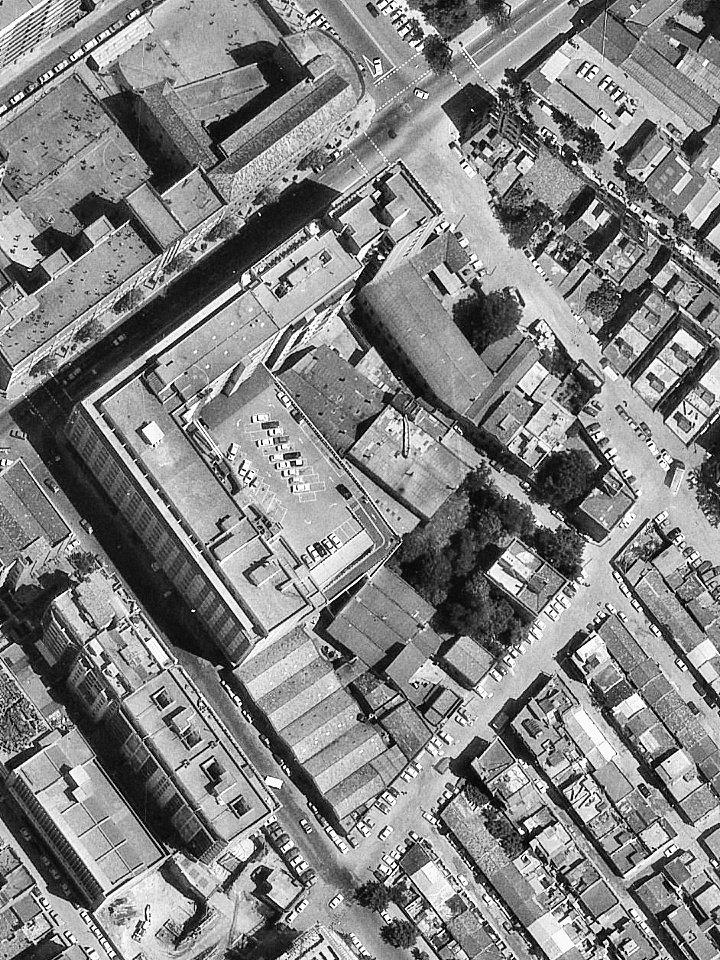
Pascual Gómez Aparicio (third from left) showing the Inter television assembly line during the visit of Portuguese Industry Minister Rogelio Martins and Foreign Minister Laureano López Rodó. Diario de Barcelona, April 10, 1970Inter Electrónica logo (1965 – 1978)Inter Electrónica factory, located at Travessera de las Corts Street (circa 1973)Aerial photograph of the Inter factory. Barcelona orthophoto from 1974.
Inter consisted of three companies:
INTER ELECTRÓNICA, S.A. (factory, headquartered at 312 Travessera de las Corts, corner of Ecuador Street. Managed by Pascual Gómez Aparicio)
INTERNACIONAL RADIO TELEVISIÓN, S.A. (commercial firm and distribution, headquartered at 227 Rosellón Street. Managed by Rafael Gómez Aparicio)
INTER SERVICIO, S.A. (technical service workshops, headquartered at 21-25 Capitán Arenas Street. Managed by Antonio Ibáñez Fernández, a close friend of Gómez Aparicio family)
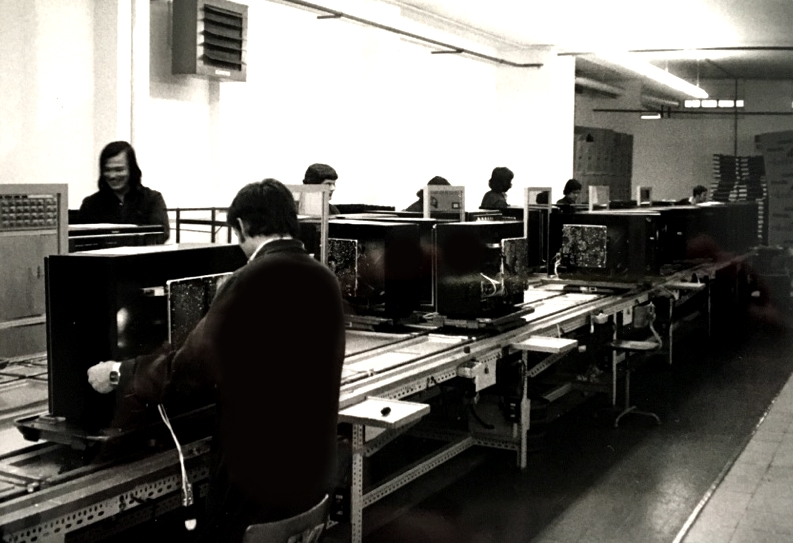
Television assembly line at the Inter factory.
José Gómez Serrano held the title of Honorary President of the company. Due to his long life dedicated to the electronics industry, he was awarded the Silver Medal for Labor Merit (“Medalla de Plata al Mérito en el Trabajo”) in July 1966.
“Diario de Barcelona” newspaper (July 17, 1966) Courtesy of Historical Archive of the City of BarcelonaJosé Gómez Serrano and Pascual Gómez Aparicio showing the Inter factory’s assembly line during the visit of Portuguese Industry Minister Rogelio Martins and Foreign Minister Laureano López Rodó. El Noticiero Universal, April 10, 1970
The Origin of the Overkal
Felipe Mor Pérez (1935 – 2023) Photo courtesy of his family
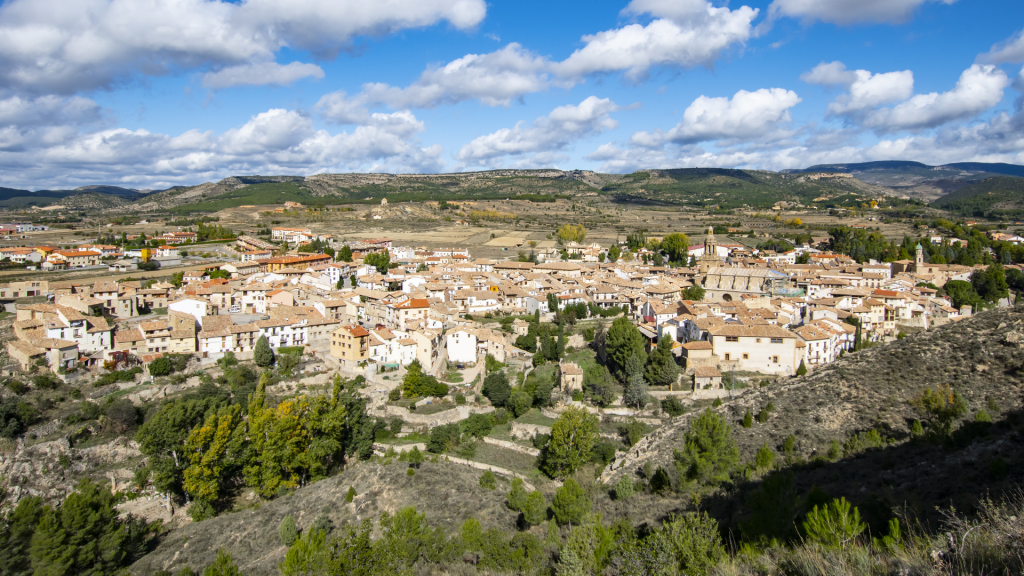
Felipe Mor Pérez was an engineer, writer, and designer of radio and television sets. Born in Rubielos de Mora (Teruel, Northern Spain) in 1935, he began working at a very young age as an assistant to his father, who ran a local tailoring business. His interest in electronics was sparked early on, teaching himself the trade while repairing radios for acquaintances in his hometown.
Rubielos de Mora (Teruel)
Realm of a deeply refined history, Union of glories past and present, Blazoned across its palaces and manors, Imperishable as its very stones. Europa Nostra reaffirmed its merits, Leading its fame across new frontiers, Offering up to every watchful gaze Subtle charms it once kept veiled. Delightful courtyards with arches and jambs, Exquisite squares of noble bearing, Monumental tower that sings the hours, Object of pride for its native children, Revered and admired by one and all. As it is and shall be: RUBIELOS DE MORA.
Acrostic poem by Felipe Mor dedicated to his home town Rubielos de Mora, 1985 (English Adaptation)
He wanted to pursue his interest academically by earning a degree in electronic engineering; however, his father opposed the idea.
In the 1950s, he relocated to Barcelona, completed a technical course in electronics, and began working as a technician. Through a neighbor who was a close friend of Pascual Gómez Aparicio, he managed to join Inter Electrónica in the late 1950s, initially working in technical support. Despite his modest formal education, the Gómez Aparicio brothers recognized Felipe’s self-taught nature and his vast technical knowledge in the field of electronics, leading to his promotion as head of research and development.
He also continued to provide technical support, albeit exclusively for Barcelona’s most elite social circles, becoming one of the first individuals specialized in installing video-cassette recorders and color televisions.
Felipe holds several industrial designs and patents in his name for designs and components applicable to radio and television devices, which can be consulted at the Spanish Patent and Trademark Office. These designs were used by Inter Electrónica.
Inter TV-385 case design (I0064358), registered by Felipe Mor Pérez.
As a result of his professional relationship with Pascual Gómez Aparicio, he wrote several schematic and technical service books for Ediciones Técnicas Rede.
Audio-Reparación (Felipe Mor Pérez, 1976) Ediciones Técnicas Rede
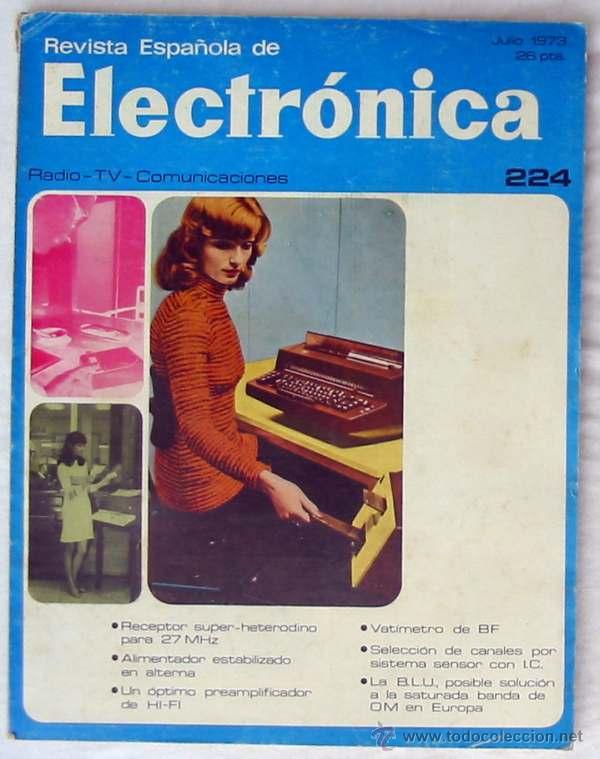
The publishing house, owned by Pascual Gómez Aparicio, was best known for the long-running publication Revista Española de Electrónica (“Spanish Electronics Magazine”). This monthly magazine, first published in 1958, became a key reference in Spain’s electronics press.
Ediciones Rede (Rede Press) was recognized several times by the Barcelona Chamber of Commerce.
Our story begins on September 22, 1972, when Felipe Mor registered the trademark “Odyssey” as an electronic toy at the Spanish Patent and Trademark Office.
“Odyssey” (M0687593), requested by Felipe Mor Pérez on September 22, 1972. Official Bulletin of Industrial Property (April 16, 1973)
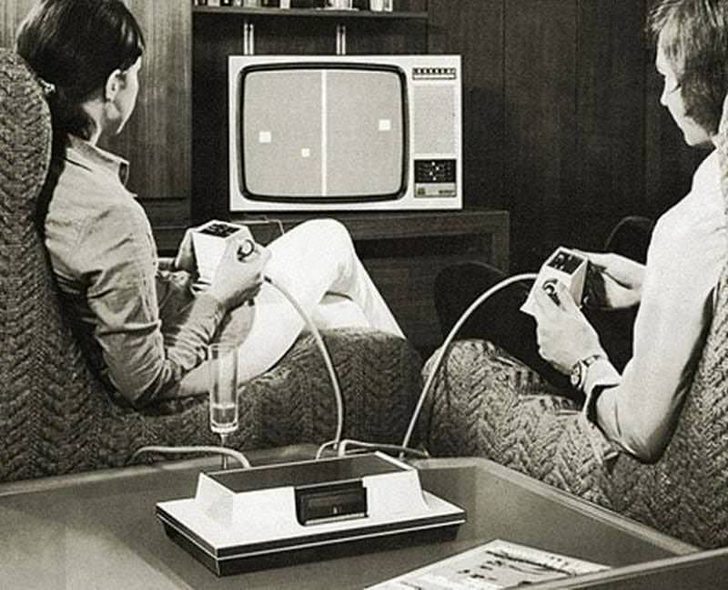
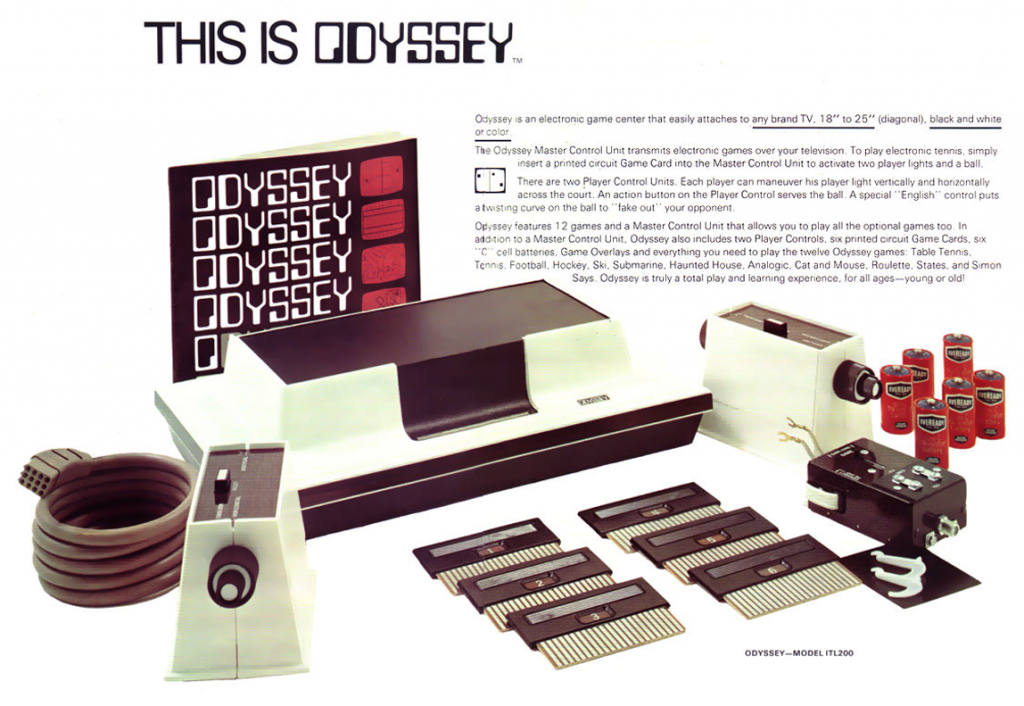
Originally developed as the “Brown Box” by Ralph Baer, Bill Harrison, and Bill Rusch at Sanders Associates between 1966 and 1968, the team reached an agreement with Magnavox in 1971 to commercialize the concept. Released as the Magnavox Odyssey, it became the first video game console in history, making its debut in the United States in September 1972 through the brand’s authorized retailers.
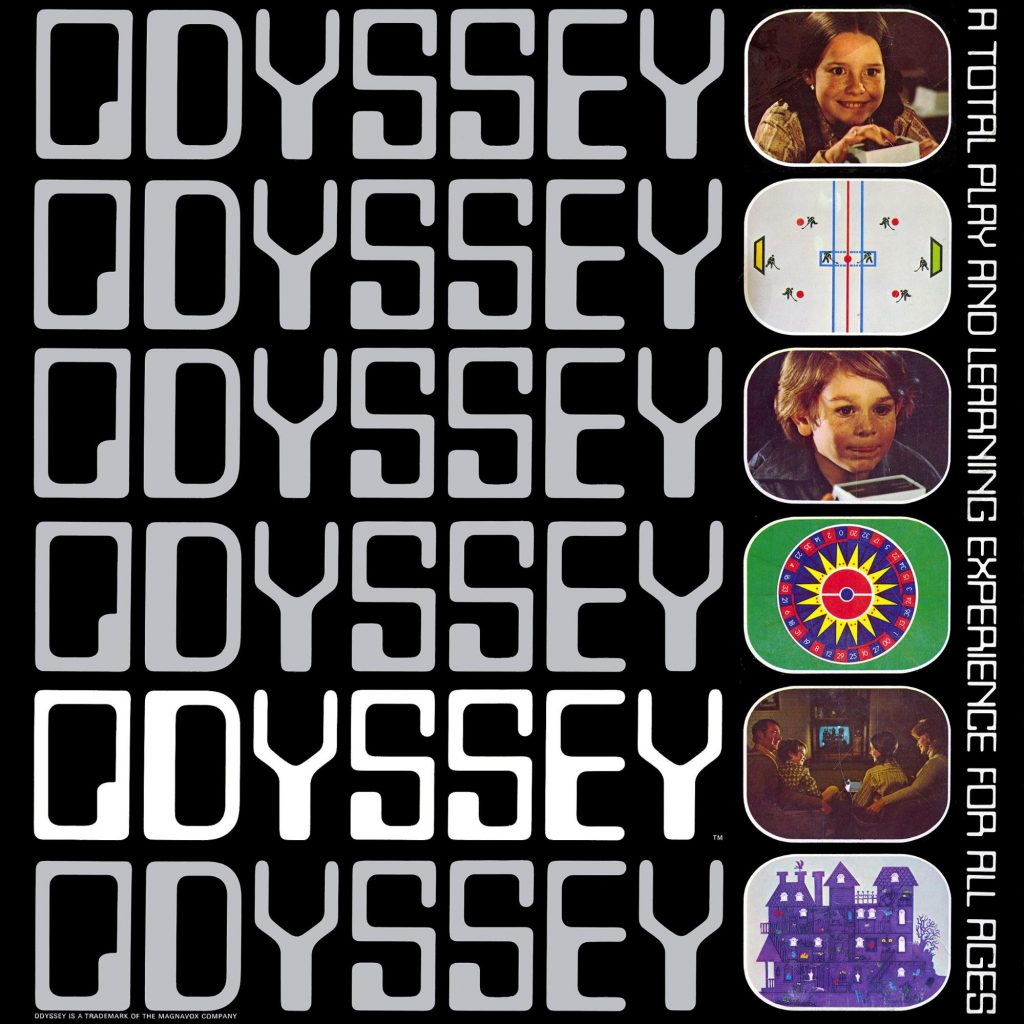
1972 Magnavox Odyssey TV advertisementPromotional brochure for the launch of the Magnavox Odyssey in September 1972 Courtesy of Kate Willaert (Video Game History Foundation)
This early registration suggests that Felipe himself or someone at Inter Electrónica had close contact with the Odyssey almost from the very beginning, considering that the registration date coincides with the system’s launch month. According to conversations I had with Felipe Mor’s children, he never traveled to the United States in that era, so that first contact might have come from foreign press or from contacts who informed him. In the absence of references or solid evidence, we may never know exactly where it came from.
Advertising for the Magnavox Odyssey featured in newspapers during the fall of 1972 Courtesy of Kate Willaert (Video Game History Foundation)Mecánica Popular (Spanish edition of Popular Mechanics) – December 1972
It is possible that the trademark registration was made to ensure that no one in Spain could sell the Odyssey under its original name, in case a Spanish company obtained a license from Magnavox to distribute the console. On the other hand, this registration could also suggest that Inter initially explored the idea of obtaining a license from Magnavox to distribute or even manufacture the Odyssey themselves in Spain. However, due to the lack of documentation and testimonies, neither theory can be confirmed with certainty.
What is undeniable is that this registration is clear and solid evidence that Inter Electrónica had begun exploring the idea of a video game console as early as September 1972. Considering this fact, Inter, along with Atari, were the first two companies to take inspiration from the Magnavox Odyssey.
Additionally, they were the first outside the United States to recognize the potential of video games. And what is even more surprising is that this happened in Spain, still in the final years of the Franco dictatorship.
Magnavox Odyssey in the 1973 Magnavox catalog Courtesy of Kate Willaert (Video Game History Foundation)Mention of the Magnavox Odyssey in the article “Juguetes del año” (Toys of the Year). Possibly the earliest mention of a video game in print media in Spain (“Pueblo” Newspaper, January 6, 1973) Courtesy of the Historical Press Library (Ministry of Culture and Sports)
At some point between late 1972 and the first half of 1973, it is believed that Inter decided to design its own console based on the Odyssey.
One might wonder how they were able to connect the Magnavox Odyssey, a console for the American-market, to a European television at that time.
The answer lies in the fact that the Magnavox Odyssey featured potentiometers for adjusting vertical and horizontal sync, allowing them to fine-tune the display for use on a European television (which operated at 50 Hz). As for the Odyssey’s antenna cable—known for its unusual connector that plugged into a switch box—they could easily adapt it, as it was simply a 75-ohm coaxial cable. Alternatively, they could bypass it altogether and directly solder an antenna cable from the circuit board.
Magnavox Odyssey circuitry The first daughter-board on the bottom row, at the far left, is for vertical image synchronization, and the fourth board from the left (right in the middle and below the RF modulator) is for horizontal image synchronization. Photo courtesy of Wikipedia.
According to accounts from Felipe Mor’s children, he had built a modest prototype housed in a wooden casing at his home in 1973, which his children had the opportunity to play with. Lacking any surviving visual or documentary evidence to confirm the technical details of that device, it remains unknown whether it was an exact replica of the Magnavox Odyssey or if it already featured modifications. In light of the aforementioned evidence and various testimonials, there is no doubt that Felipe Mor played a leading role “in the shadows”—that is, as the mastermind behind the console’s design.
At this point, Santiago Arcocha Noguera became involved in the project.
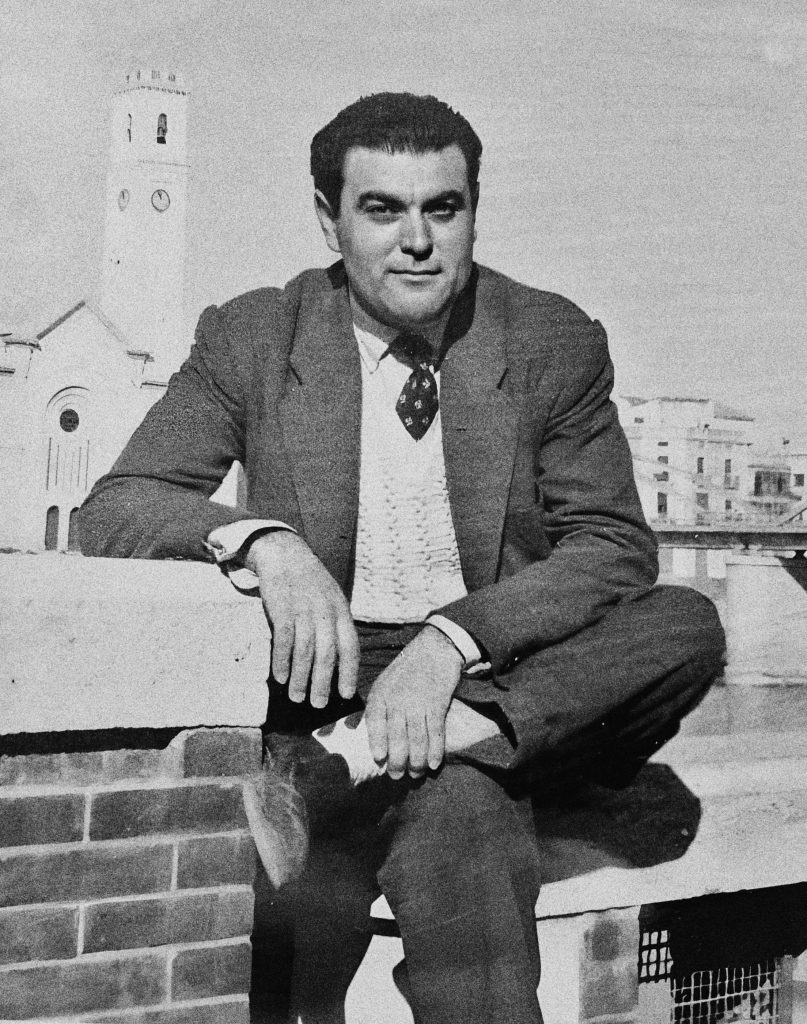
Santiago Arcocha Noguera Photo courtesy of his son
Santiago Arcocha Noguera was born in Barcelona in 1924. His family was involved in the hospitality sector in the city. In the 1940s, while he was a student, he developed an interest in radio and electronics, a hobby he shared with Rafael Gómez Aparicio, a classmate who became a close friend of his and his family for many years.
He began by helping his mother with the family apartment business in Barcelona. Contrary to what one might expect, his main profession was not in electronics but in the paramedical field; he was an ambulance driver. Later in life, he worked as a nurse.
According to his son, Santiago was a very restless and curious person who liked to stay up-to-date with the latest technological advancements and new business opportunities.
Due to his family connections and interest in new ventures, he regularly traveled to America, especially Argentina, which was his wife’s home country.
Santiago Arcocha Noguera became the legal figurehead behind the console’s patents and industrial designs. It remains unknown whether he joined the project out of personal interest, whether he coordinated or made actual contributions, or if Inter—stemming from his good relationship with the owners—offered him the authorship of the project to shield the company from potential legal repercussions and avoid tarnishing its reputation.
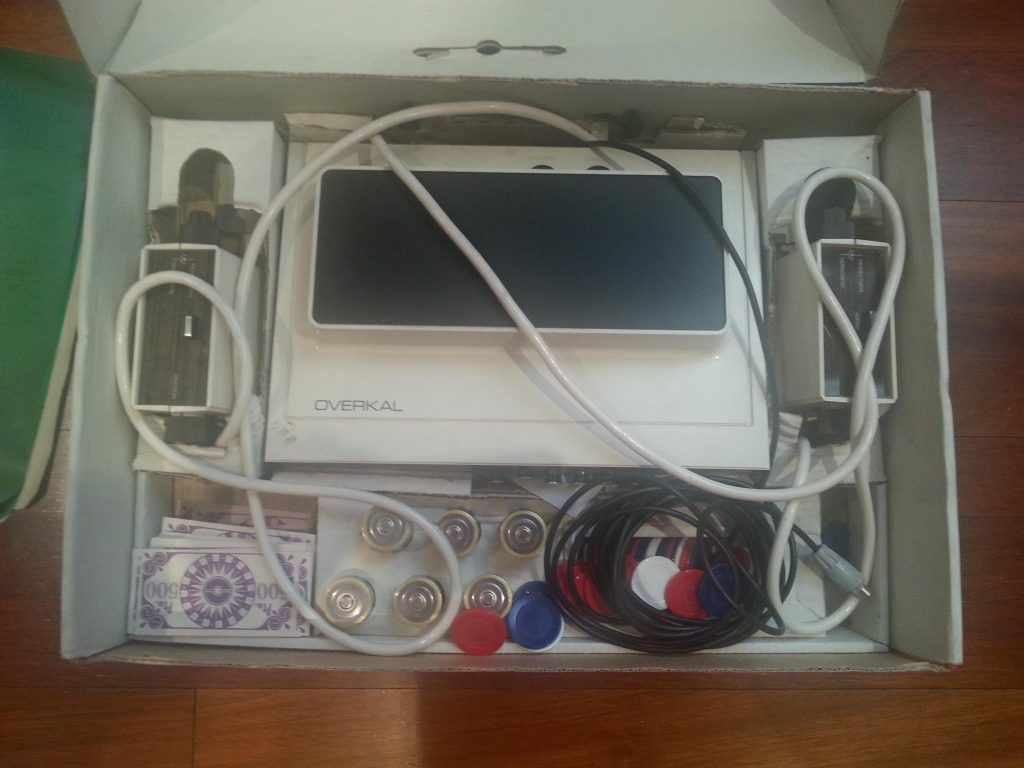
They studied the Odyssey technology and made small modifications to the console. These changes included implementing selectable games via “a programming unit” (i.e., through switches) and having the controllers permanently connected to the console. However, the connector for the rifle was removed (possibly because they did not acquire the Odyssey Shooting Gallery), as well as the circuit board for ball collision with a net, since there was no handball game.
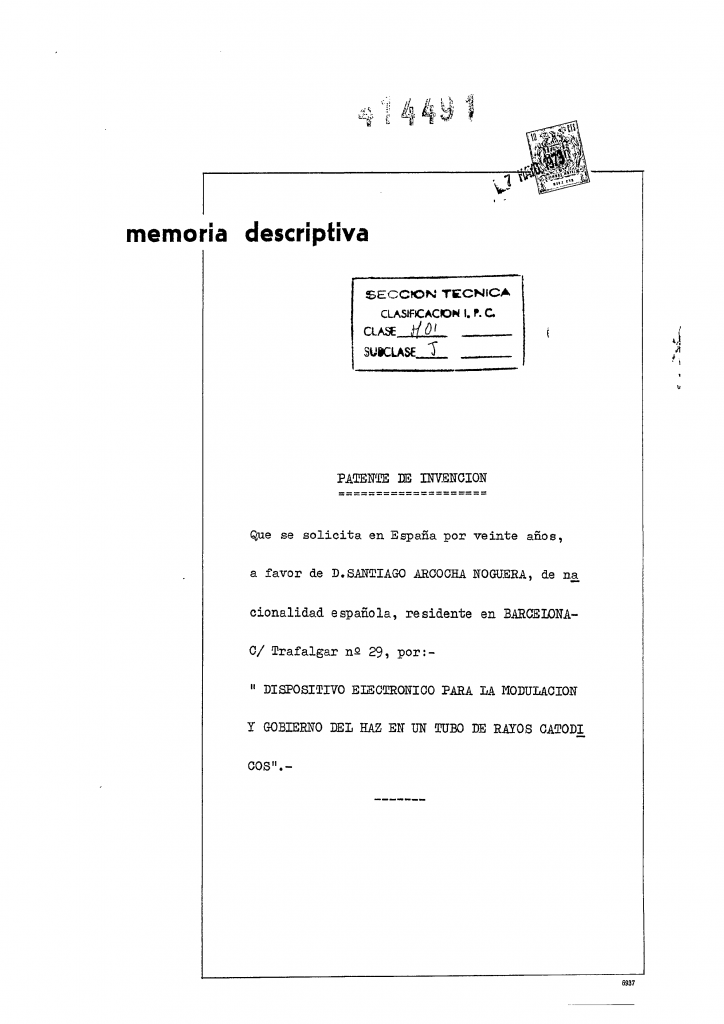
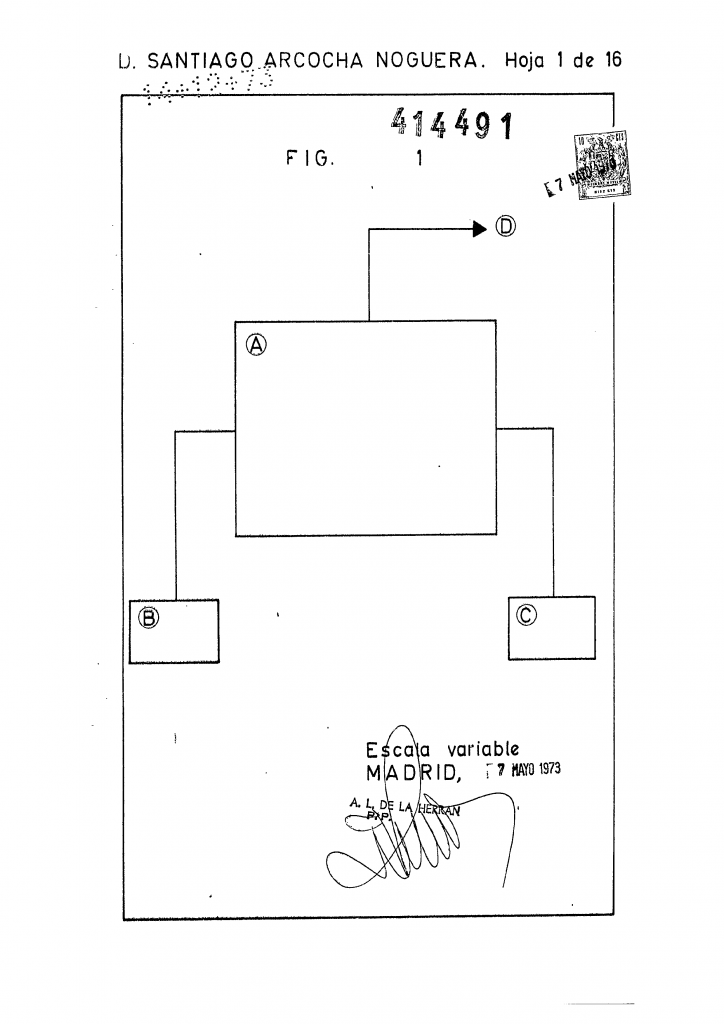
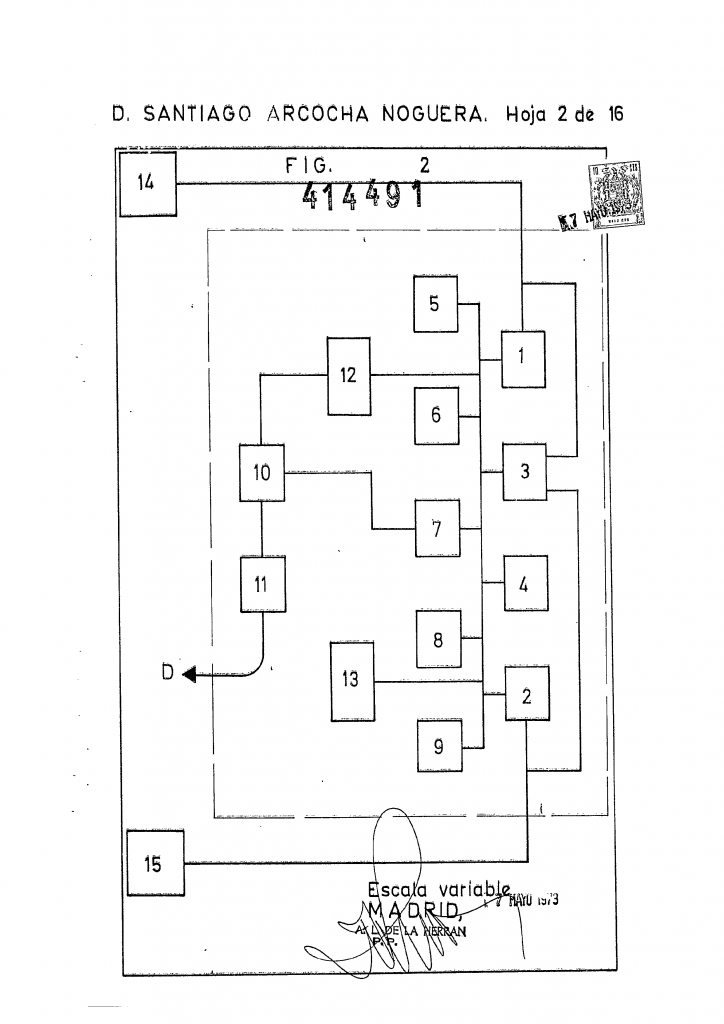
This design, titled “Dispositivo electrónico para la modulación y gobierno del haz en un tubo de rayos catódicos” (Electronic Device for Modulating and Controlling the Beam in a Cathode Ray Tube) (ES4144191A), was requested for patent by Santiago Arcocha Noguera on May 7, 1973, in Madrid.
Patent for “Electronic Device for Modulation and Control of the Beam in a Cathode Ray Tube” (May 7, 1973). Click here to view the full document. Courtesy of the Spanish Patent and Trademark Office.
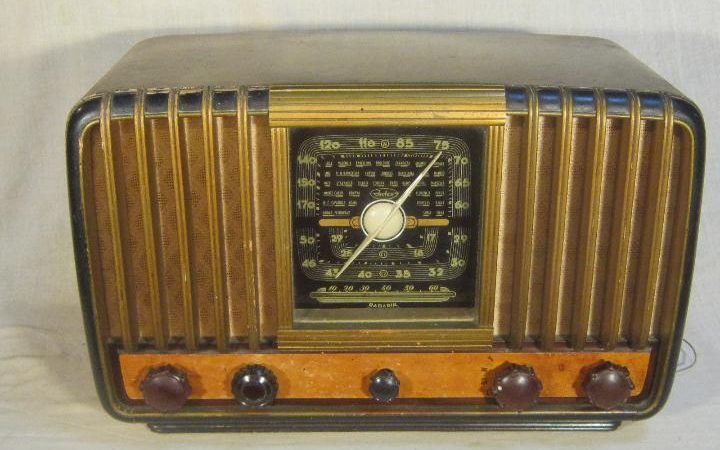
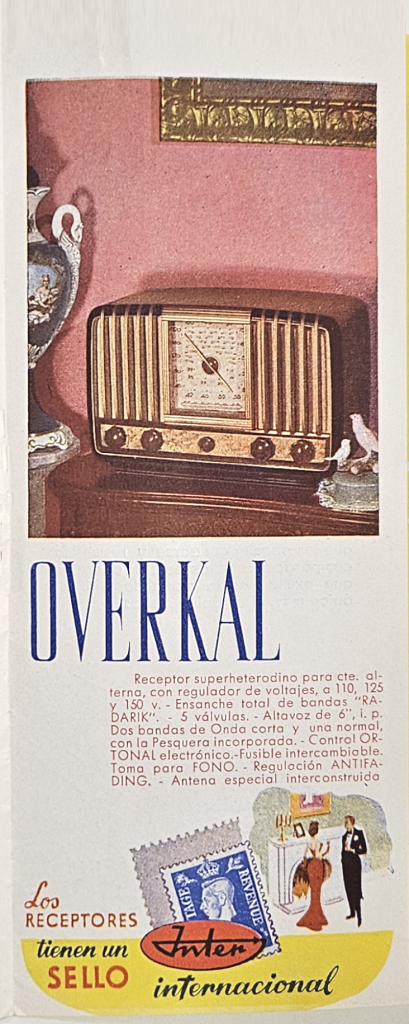
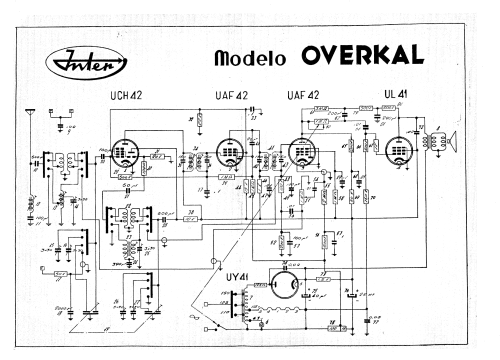
The upcoming console was named “Overkal,” as a tribute to a radio receiver model introduced by Inter in 1951.
Overkal advertisement in the 1951-52 Inter Catalog. Courtesy of Pascual Gómez Casals.
The name “Overkal” was requested as a trademark by Inter on July 31, 1973, under the number M0722234, categorized as an “electronic toy.”
Official Bulletin of Industrial Property (Trademarks and other distinctive signs – September 16, 1974) Courtesy of the Spanish Patent and Trademark Office.
Development and Demonstration of the Overkal
With the patent and trademark already applied for, it is evident that by July 1973, Inter Electrónica was on its way to marketing a modified clone of the Magnavox Odyssey.
One of the main mysteries surrounding the Overkal is why the company chose to copy Magnavox’s design instead of paying for a license.
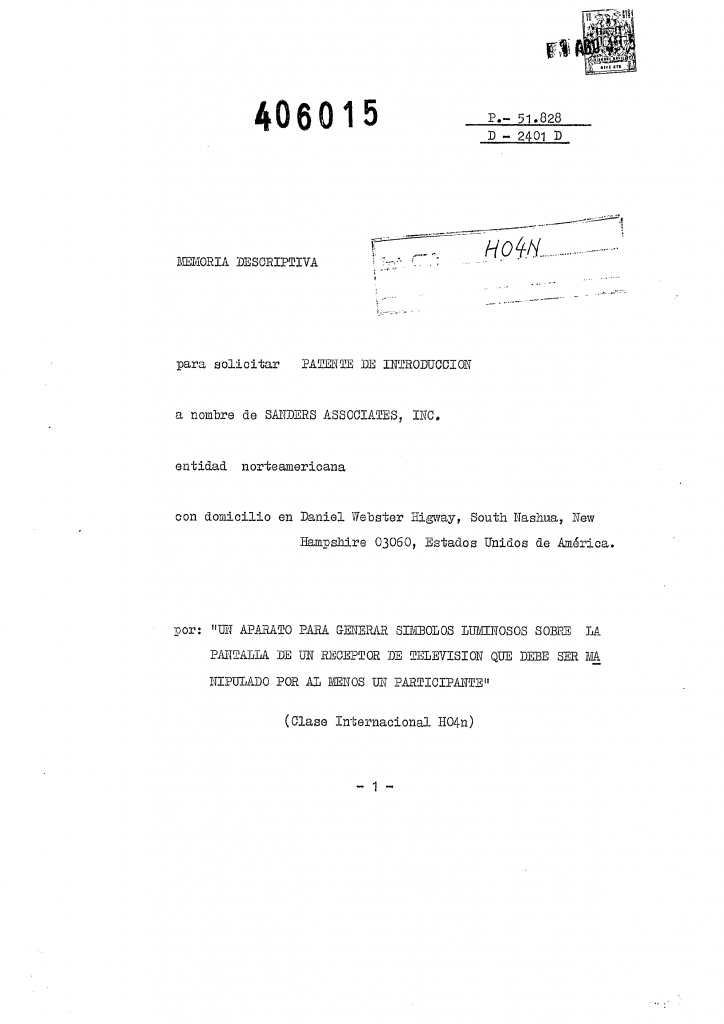
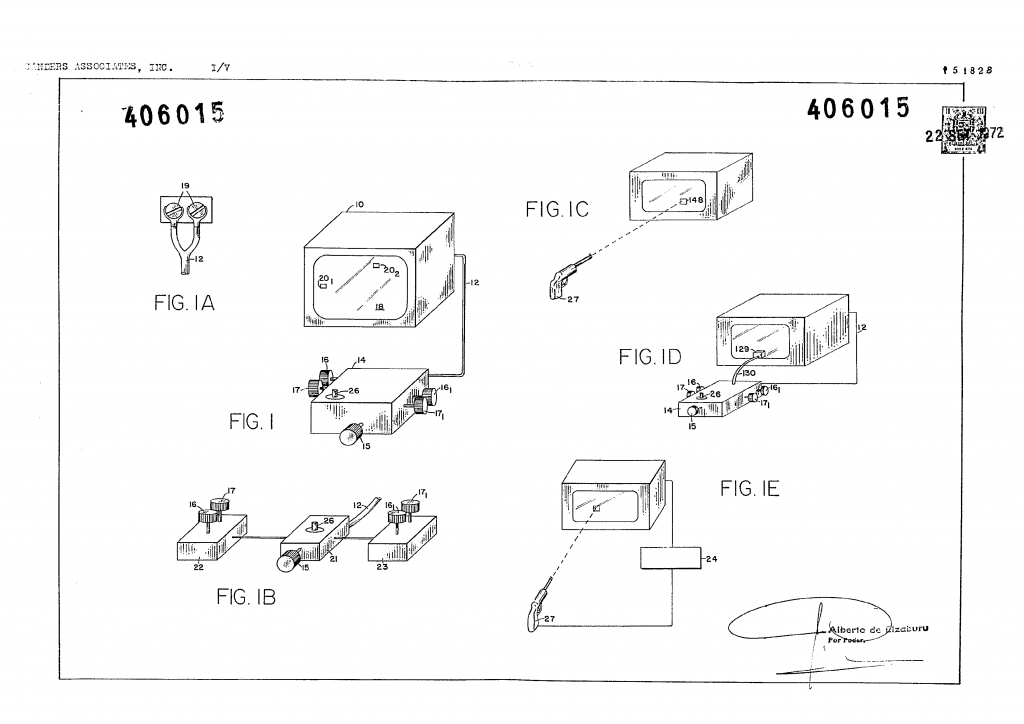
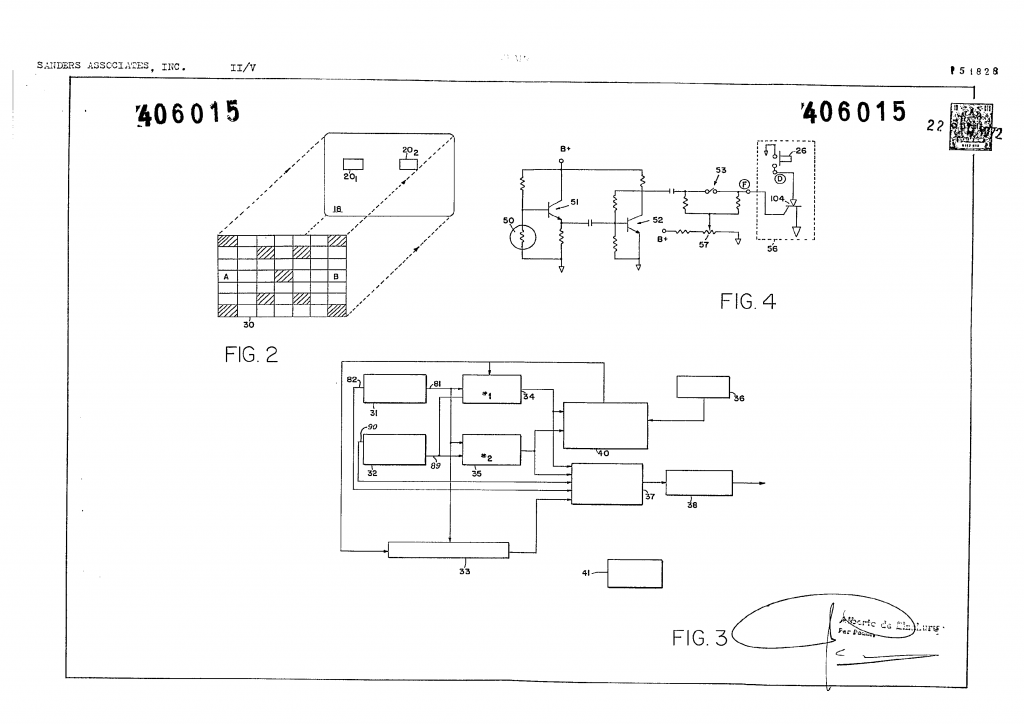
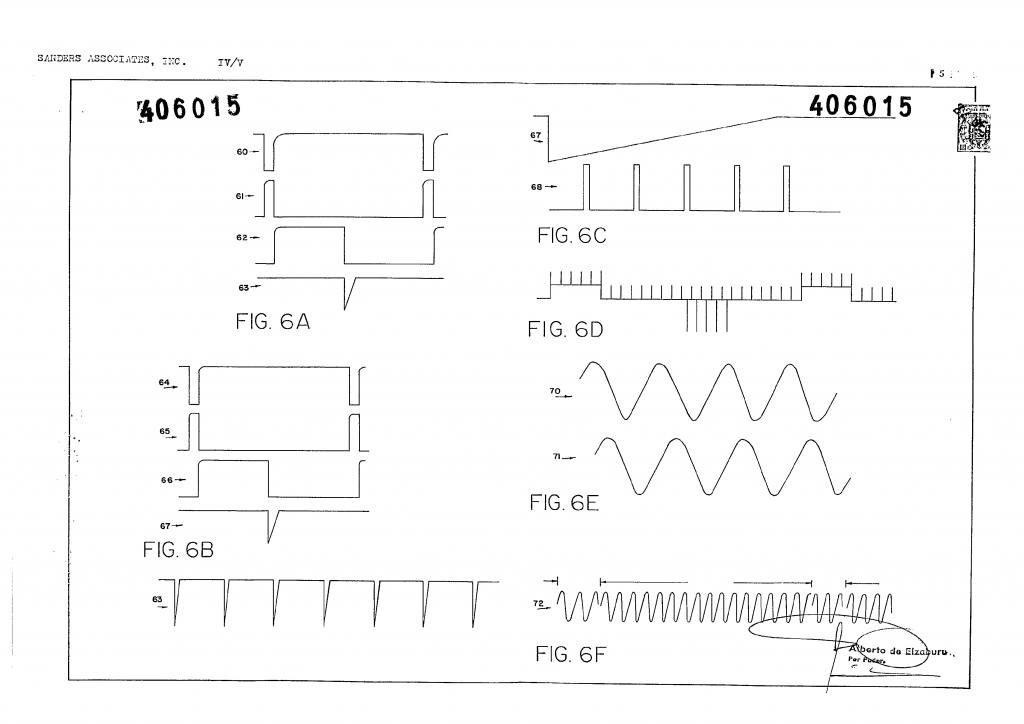
This point is particularly interesting when reviewing the various legal documents from the lawsuits Magnavox and Sanders Associates filed against other companies for patent infringement. These records show that Sanders had registered the patent for the “Brown Box” in Spain on September 16, 1972, just six days before Felipe Mor registered the “Odyssey” trademark in the country.
Utility model “An apparatus for generating luminous symbols on the screen of a television receiver to be manipulated by at least one participant” (ES406015A3), filed by Sanders Associates on September 16, 1972. Courtesy of the Spanish Patent and Trademark Office.
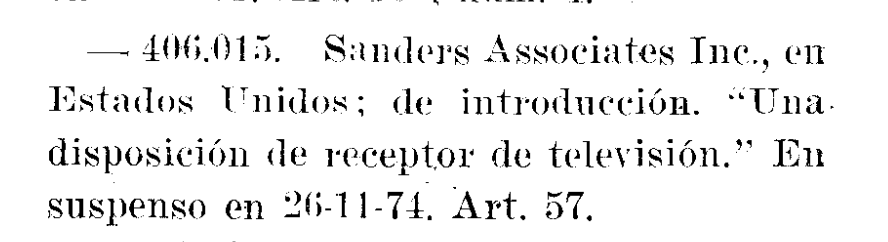
However, this registration was never published; it was invalidated by the Spanish Patent Office on November 26, 1974, as it was considered to have an excessively broad and unspecific definition.
Official Bulletin of Industrial Property number 2106 – Volume 2 (January 1, 1975) Courtesy of the Spanish Patent and Trademark Office.
In April 1975, Sanders requested a review of the patent, which was published and went into effect on May 16, 1976.
This means that, until then, Magnavox and Sanders Associates did not have effective legal protection for their idea in Spain, leaving a clear legal vacuum surrounding the concept of the “video game.”
At first glance, one might think that Inter Electrónica took advantage of this legal loophole to patent their console’s design and market it without fear of repercussions. However, this hypothesis is inconsistent with their own history.
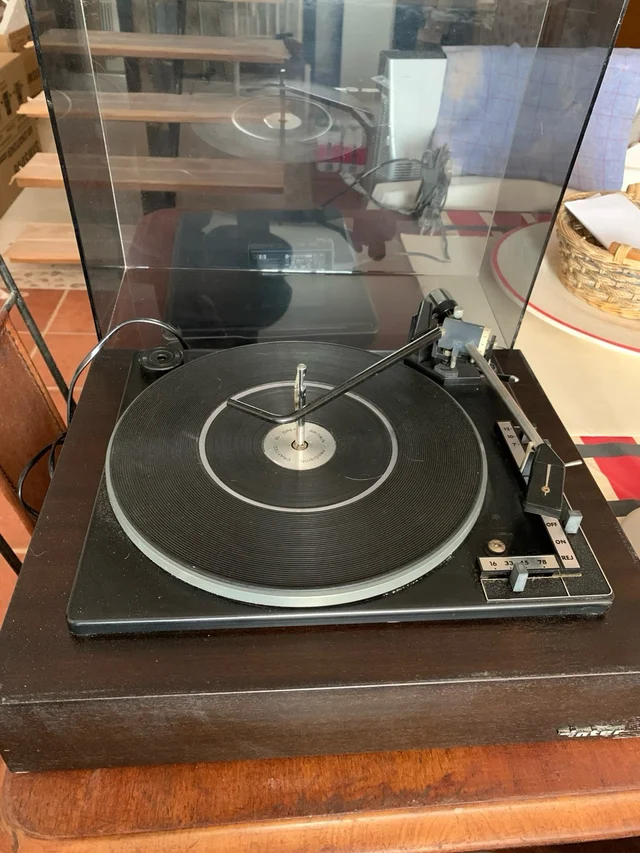
Inter was known for producing devices under official licenses from their original manufacturers, including brands like Magnadyne, Blaupunkt, and Thorn-Ferguson. A particularly curious case is that, in the early 1970s, they sold record players featuring mechanisms licensed by the prestigious German brand Dual.
Inter record player with a mechanism licensed by Dual (c. 1970)
Considering these precedents and Felipe Mor’s registration of the Odyssey trademark, it is reasonable to assume that Inter Electrónica might have attempted to contact Magnavox to negotiate a manufacturing license for Spain. This would be a logical move, considering that Inter was one of the most prominent manufacturers of televisions and radios in Spain, and that Magnavox operated in the same sector.
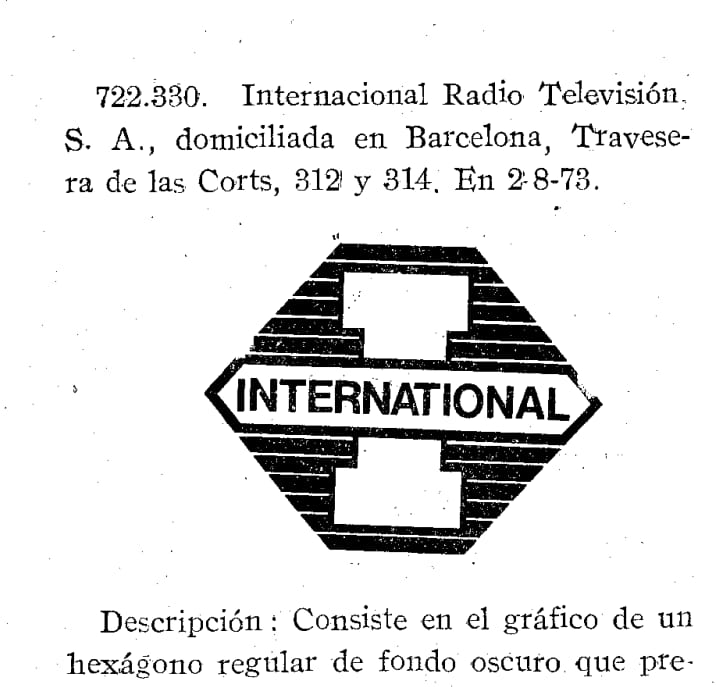
According to the testimony of a former company employee, in the early 1970s, Inter had plans to expand into the United States, starting in Miami under the “International” brand, with Enrique Cabreró heading the operation. However, the 1973 oil crisis abruptly thwarted these plans.
“International” trademark (M0722330), filed on August 2, 1973. Courtesy of the Spanish Patent and Trademark Office.
The fact that Inter Electrónica is never mentioned in any Magnavox-related litigation, nor appears in legal documentation as a licensee, quite clearly suggests that they never obtained an official license to use the Odyssey’s technology, and likewise, their existence never reached Magnavox’s ears. The question, therefore, is what circumstances prevented this.
According to legal documents from the Bally v. Magnavox case, on November 29, 1972, Bally contacted Magnavox to inquire about the possibility of obtaining sublicenses for the Odyssey technology. Magnavox’s response was negative, stating that they were not considering offering such agreements at that time.
In January 1973, Alfred di Scipio was appointed head of Magnavox’s consumer division. Scipio came from ITT, a German multinational telecommunications company and manufacturer of radio and television equipment, where he had served as sales director. Under his leadership, the first negotiations to export the Odyssey to Asian and European markets began in February 1973.
Weekly Television Digest with Consumer Electronics Vol. 13 No. 3 (February 5, 1973)
The exact outcome of these negotiations is unknown, but the fact that they did not result in immediate agreements suggests they were not particularly fruitful—likely due to skepticism about the product’s commercial potential or unfavorable conditions for potential international partners.
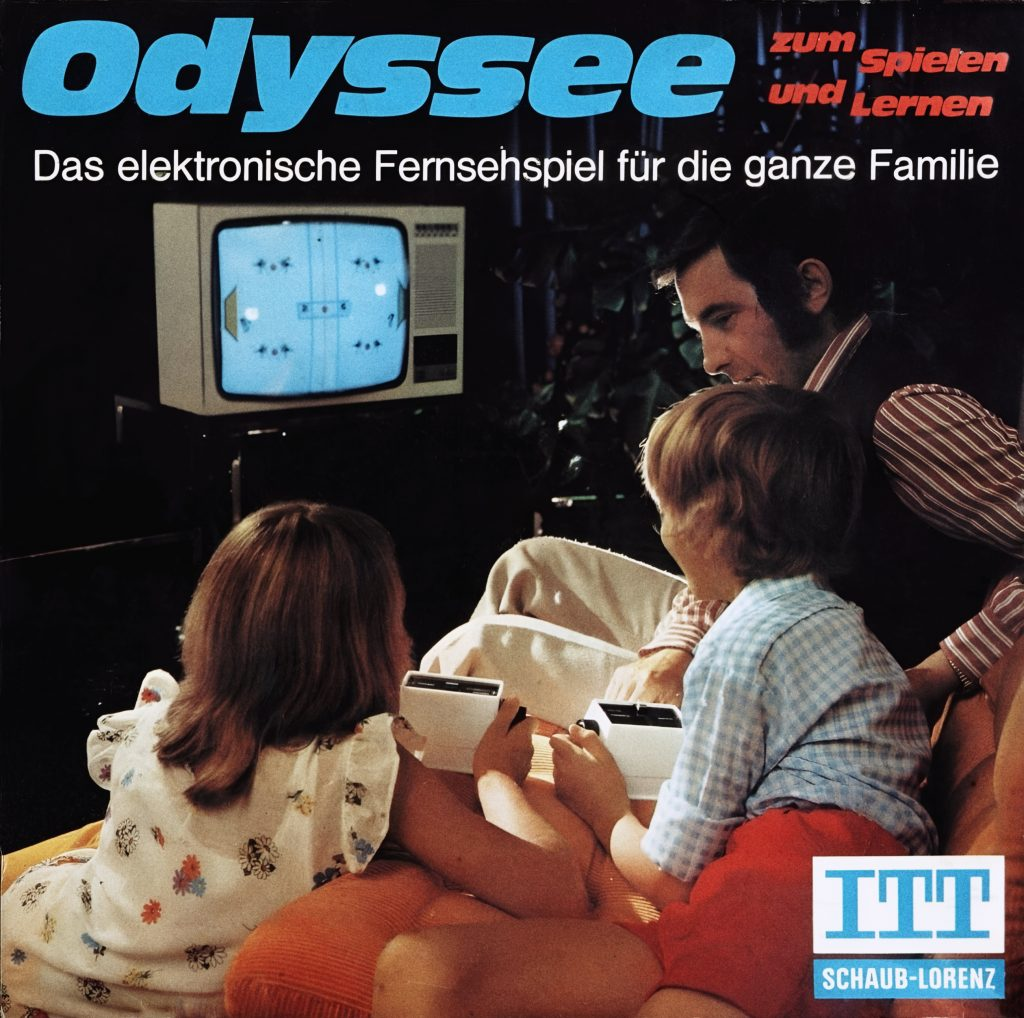
Leveraging Scipio’s ties with ITT, Magnavox eventually granted this German company a license to distribute the Odyssey in Germany under the name “ITT Odyssee,” introduced to the market in October 1973. It essentially consisted of an imported American Odyssey, with slight modifications to adapt it to the local market for 625-line, 50Hz televisions. Its high price of 398 Deutsche Marks—a direct consequence of import costs—severely limited any chance of commercial success.
ITT Odyssee (1973), the first console marketed in Europe.
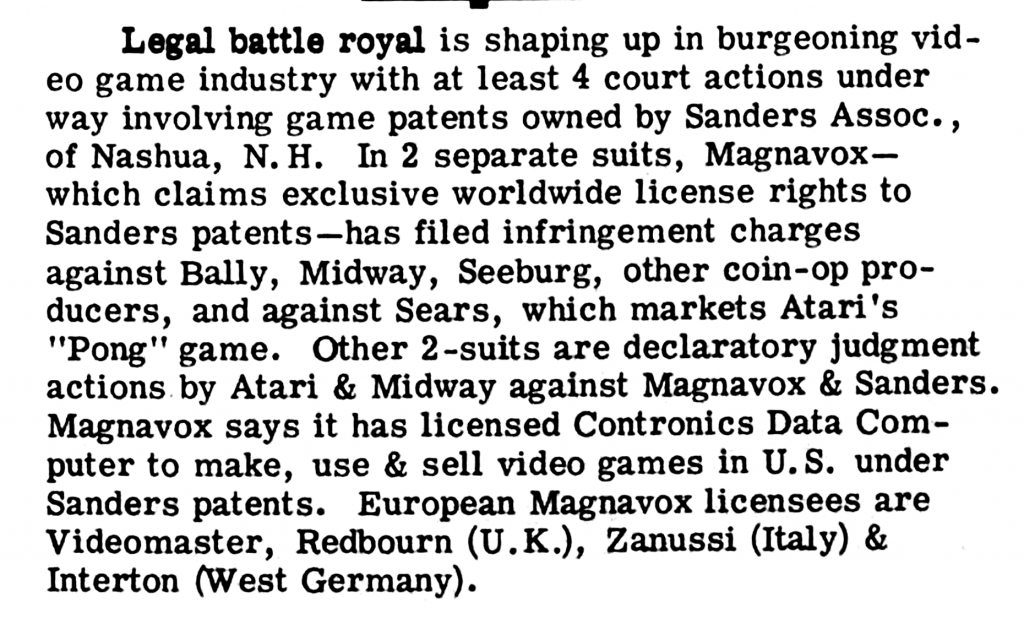
Magnavox would not begin to establish a broader system of manufacturing licenses in Europe until 1975. Companies such as Interton (Germany), Videomaster (UK), and Zanussi (Italy) then obtained the necessary rights to produce and market their own consoles. A representative example is the Ping-O-Tronic, produced by Zanussi/Seleco, whose license from Magnavox and Sanders Associates was formalized on April 21, 1975.
Magnavox and Sanders licensees in Europe in 1975. Weekly Television Digest with Consumer Electronics Vol. 15 No. 48 (December 1, 1975)Ping-O-Tronic (1974), an Italian console produced by Zanussi/Seleco.
This demonstrates that during the development of the Overkal in 1973, Magnavox’s international licensing system was not yet fully established.
In this context, it is highly probable that Inter Electrónica proposed the possibility of manufacturing the Odyssey in Spain under a sublicense to Magnavox. Regardless of the response Magnavox may or may not have provided (perhaps they did not consider licensing to Spain due to it being a limited market, offered unattractive terms, or only considered importing the existing console), Inter Electrónica opted instead to develop its own version inspired by the original design without Magnavox’s knowledge. They registered their patents and industrial models in Spain under the name of an unrelated third party (Santiago Arcocha Noguera) to avoid potential legal disputes.
According to available documentation, the materialization of the Overkal was not completed until late 1973. This could be due to internal doubts regarding the device’s commercial viability or potential fears about legal repercussions. Felipe Mor Pérez and his laboratory team at the Inter Electrónica factory were likely involved in this process.
Felipe Mor Pérez (far right) alongside colleagues from the factory laboratory.
The utility model was granted on November 15, 1973. Additionally, the industrial designs for the console’s casing and controllers were registered under the name of Santiago Arcocha on December 4, 1973 (I0078920 and I0078921, respectively). Based on these registrations, it is safe to assume that the console was virtually complete by early December 1973.
Registration of the Overkal industrial designs in the Official Bulletin of Industrial Property (BOPI) on January 12, 1974 (Volume 3 – page 72), indicating they were registered in the name of Santiago Arcocha Noguera on December 4, 1973. Courtesy of the Spanish Patent and Trademark Office.
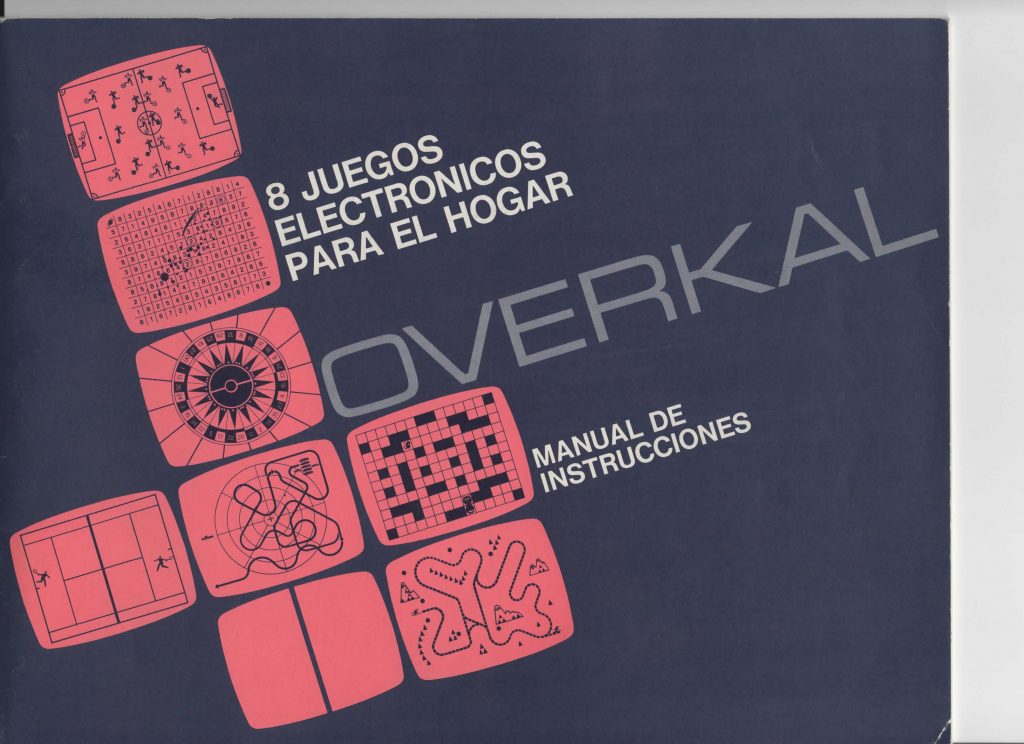
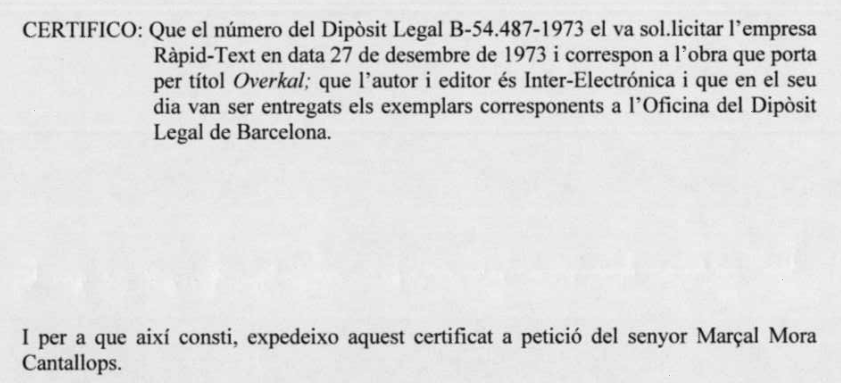
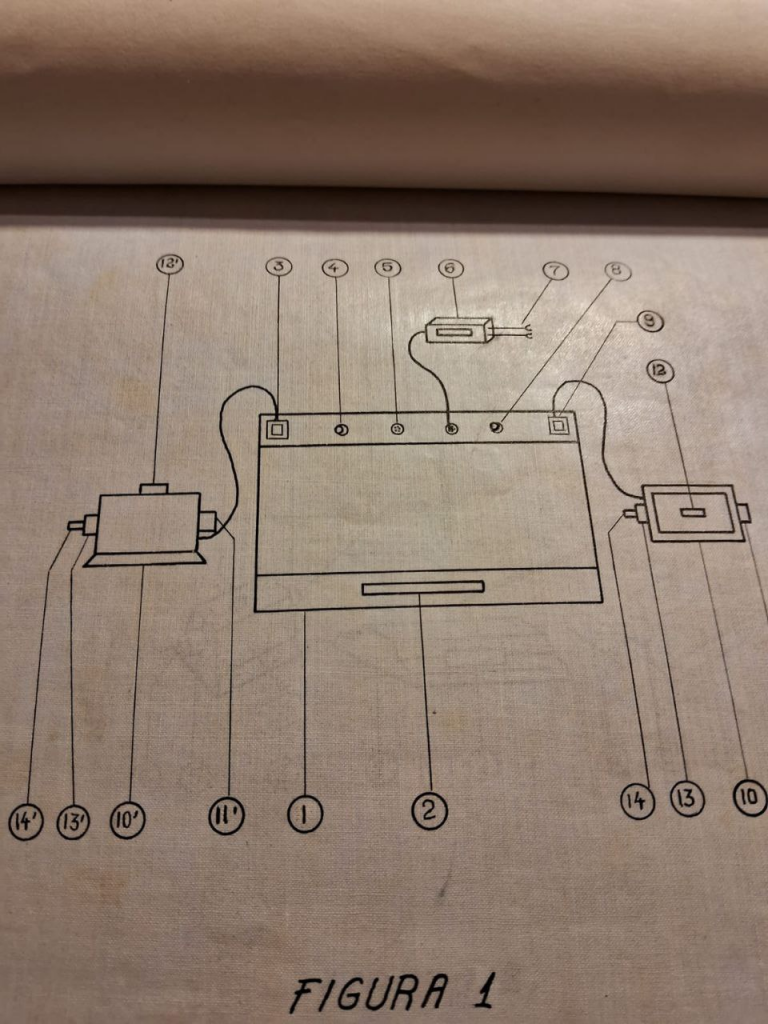
The instruction manual must have been prepared during December 1973. The booklet was submitted on December 27 of that year to the Barcelona Legal Deposit Office with the number B-54487-73, in the name of Inter Electrónica.
Cover of the instruction manual for the “Overkal” (1973). Click here to view it in full.Certificate of legal deposit requested by Marçal Mora for the research conducted for the article on the history of the Overkal for Retro Gamer in October 2016. Courtesy of Marçal Mora (RetroMaquinitas.com)
With everything nearly ready, one would think that the production of the Overkal would begin in January 1974. However, Inter Electrónica was in the midst of a significant labor dispute with the factory workers due to salary disagreements.
They had been promised a wage increase due to the higher cost of living caused by the inflation of the time, which was triggered by the ongoing industrial recession due to the 1973 oil crisis. This salary had remained unchanged since it was established in the last Collective Agreement for factory personnel, dated 1971.
In December 1973, the factory management failed to update the workers’ wages as promised a few months earlier. Shortly after, the workers presented a set of salary and working condition proposals to the management, but these were completely ignored.
Most of the staff declared a strike starting January 1, 1974, paralyzing the factory’s activity. A week later, there were labor confrontations, and several employees were even arrested by the police.
In addition to damage to the factory’s equipment, valued at 30,000 pesetas, Inter distorted the events and released reports to the press and television stating that a group of workers had thrown objects out of the windows onto the street, including television parts. On January 13, the company suspended employment and pay for the 310 out of 346 employees for one week.
Diario de Barcelona (January 13, 1974)
Despite attempts at reconciliation, labor disputes continued to persist. Eventually, the 310 affected employees returned to work on January 22, but production lines remained stalled, and the company threatened to impose additional penalties.
Diario de Barcelona (January 22, 1974)Diario de Barcelona (January 23, 1974)
Factory activity resumed on February 1, albeit gradually and amid some controversy. There is no doubt that the Overkal was seriously affected by this dispute, causing delays in its production and subsequent release to February, but let’s not get ahead of ourselves..
“Agencia Popular Informativa – API” Bulletin (January 31, 1974) Documents courtesy of the Historical Archive of the City of Barcelona
At Inter Electrónica, it was common practice to demonstrate new products to employees shortly before they were commercially launched in order to gather initial impressions. The Overkal was no exception in this regard, though it was more of a matter of pure coincidence than a deliberate intention to demostrate the device.
Several technical employees at Inter had the opportunity to see the console, including one testimony I was able to interview. This person was the workshop manager in Córdoba and a workshop inspector for the Western Andalusia region (in Inter Servicio, workshop inspectors were assigned to specific areas across Spain).
In February 1974, not much time after the incident at the factory, he traveled to Barcelona with several workshop chiefs to the SIT (Servicio De Información Técnica), which was an Inter-owned facility located on Travesera de las Corts, near the factory.
The building housed an academy for training and educating inspectors and workshop chiefs from all Inter’s technical service points in Spain, enabling them to stay informed and involved in potential future repairs of new products introduced by Inter, meaning to acquire a deeper technical knowledge of the devices. On this occasion, they were there to receive training on the TVC-366 television model.
Inter TVC-366 (1974)
Based on the British Thorn-Ferguson 3500 chassis and adapted for the Spanish market for PAL signals, this receiver marked Inter Electrónica’s entry into the biggest technological sensation of the time: color television.
TVE had just begun producing color programs in 1974, but it wasn’t until the mid to late 1970s that most national TV manufacturers began to introduce and heavily promote color TV models.
In its early years, from 1974-1975, there were only about 50,000 color receivers in Spain, with most being imported from other European countries or produced using existing foreign chassis or technology, as was the case with Telefunken Ibérica, Lavis or Inter. The TVC-366 is likely one of the first color television receivers built in Spain.
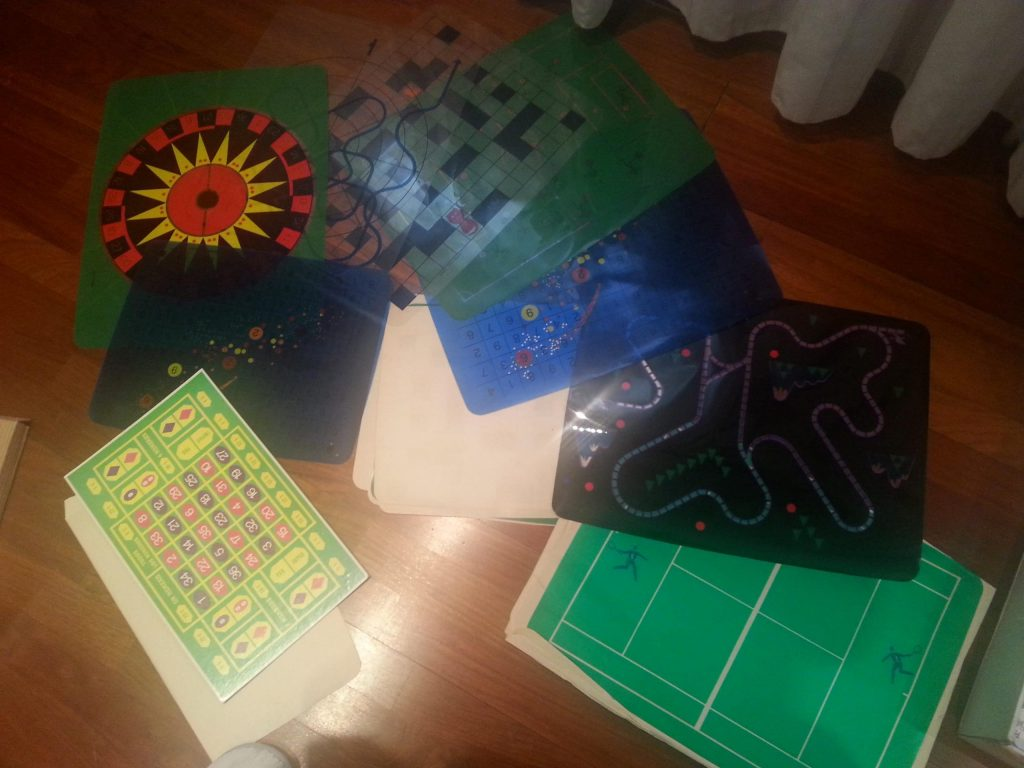
During one of their visits to the academy, they witnessed a demonstration of a 14-inch black-and-white television and a strange white device “shaped like a hat” with controllers, displaying two players and a ball moving from one end of the screen to the other. Additionally, there were a series of transparencies that could be attached to the screen. They had never seen anything like it before.
This sparked extreme curiosity, and they asked what all this was about. The response from the academy manager was:
This is something we have ‘in trial.’ We’re not sure if it’s going to be commercialized, but we believe so. At the moment, there are very few units that will be distributed in Barcelona.
But when the time comes, don’t worry, we’ll call you for a training course that I have prepared, and I think you’ll find it very interesting.
However, this would be the first and last time this person had encountered the Overkal, and probably for the rest of the technicians who witnessed the console on that occasion. He mentioned that he never heard about the system again, and neither was it mentioned nor was the training course promised to them ever conducted. To my surprise, fifty years later, he still remembered that encounter with amazing clarity.
It is clear from all this that Inter did not want to give the console any importance or support from the very beginning, as they didn’t even provide training to their own technical employees about the console, nor was there any official presentation.
This witness provided an interesting detail related to the previous statement: Inter usually distributed their new products first to their regular establishments and dealers in Barcelona to gather impressions and data for production and sales forecasts for the rest of Spain.
It is assumed that the Overkal was intended to be marketed soon after, placing its launch date not much later than that meeting, i.e., in February, or at the latest, March 1974.
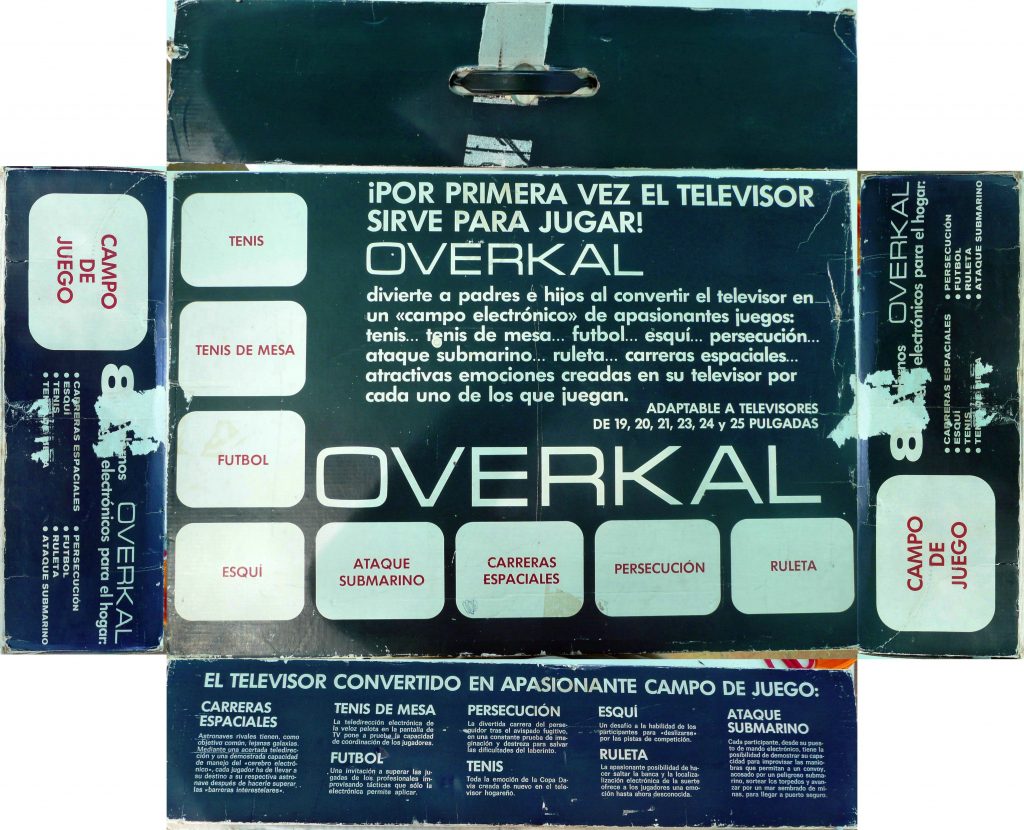
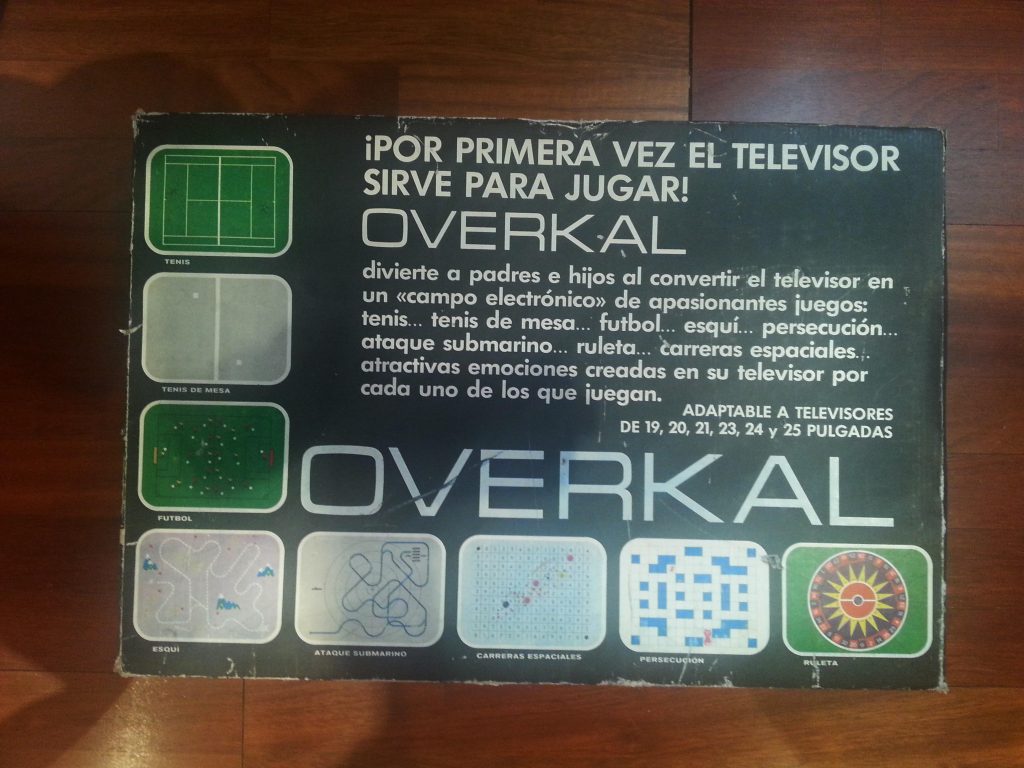
Another important detail, and one of the biggest mysteries surrounding the Overkal today, is the absence of any mention of the manufacturer on the box, instructions, warranty brochure, or even on the console itself. Despite all the time I have spent trying to speak with former Inter employees and researching on my own, I have never discovered the reason why. However, I suspect two possible causes:
It could have been a measure to avoid potential legal repercussions with Magnavox/Sanders Associates.
They might not have wanted Inter’s name associated with the somewhat novelty idea of selling a “toy” for television play.
What is indisputable, though, is that the lack of a manufacturer’s mention is not a coincidence; it was a deliberate decision made at least before the utility model registration in May 1973. The only records where the Overkal can be linked to Inter are the trademark registration and the legal deposit of the instructions, as previously mentioned.
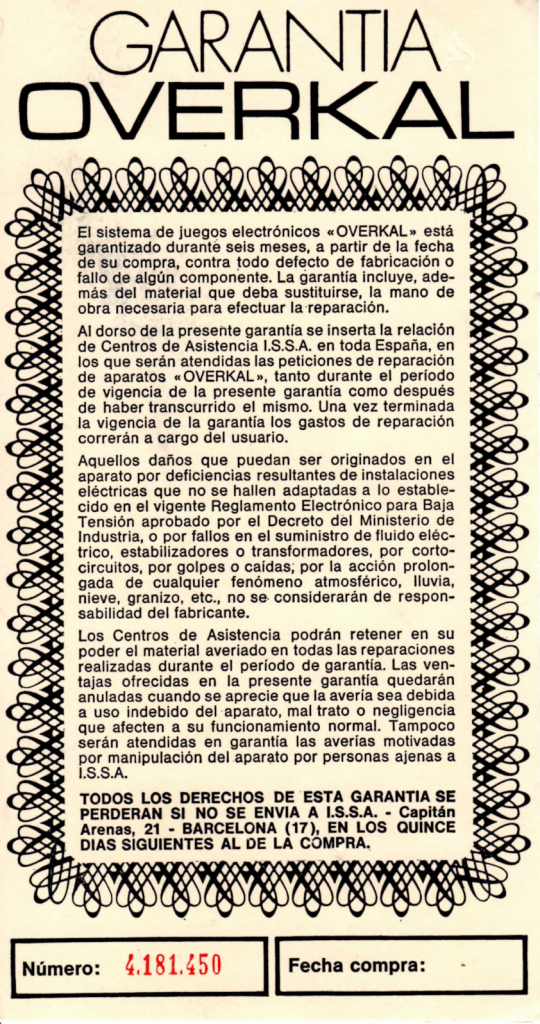
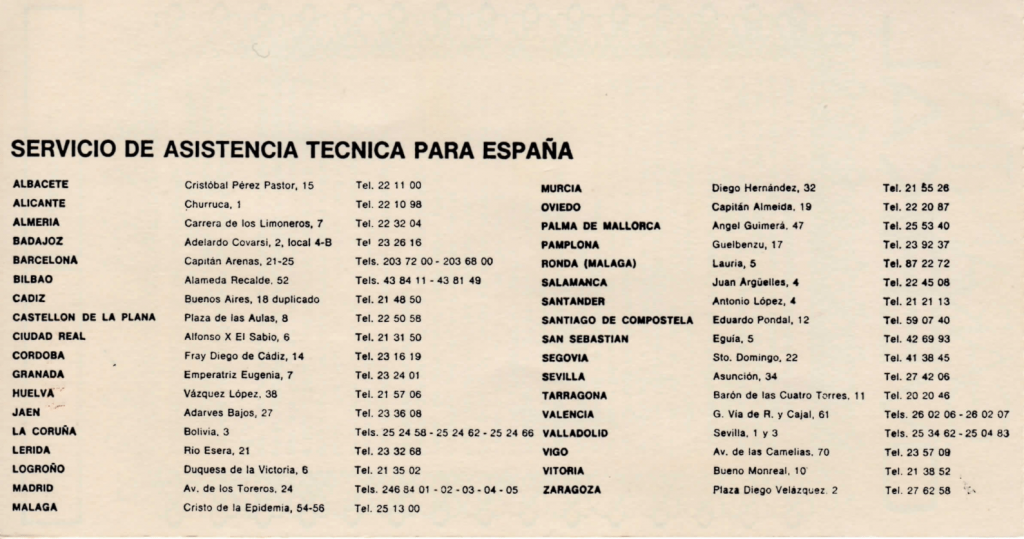
The company’s technical support service (Inter Servicio, S.A.) is mentioned with the initials I.S.S.A in the warranty booklet of the console, as seen below.
Release of the Overkal
Strange “prototype” box of the Overkal without the illustrations of the overlays. Courtesy of Jesús Alboran70
The Overkal was commercially launched initially in Barcelona in February 1974, at a price believed to be around 9,000 pesetas.
The earliest known acquisition date comes from a unit purchased at El Corte Inglés (Spanish department stores) in July 1974 from the wedding list of Tatiana Delgado’s parents, a video game programmer. El Corte Inglés was a regular distributor of Inter Electrónica products at that time.
Photos courtesy of Tatiana Delgado
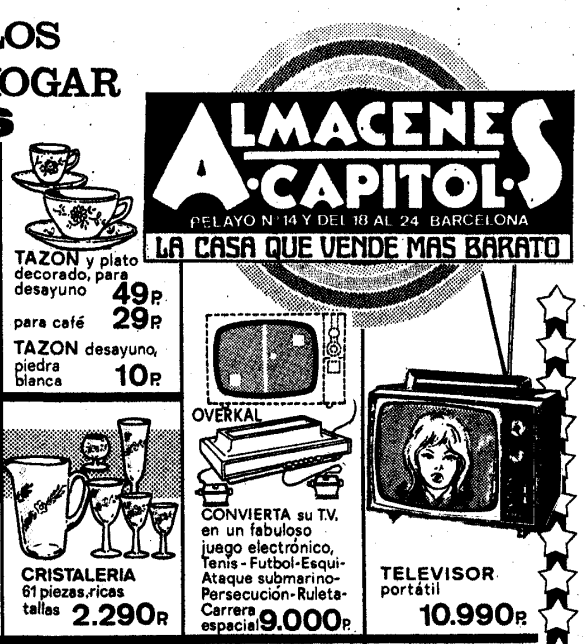
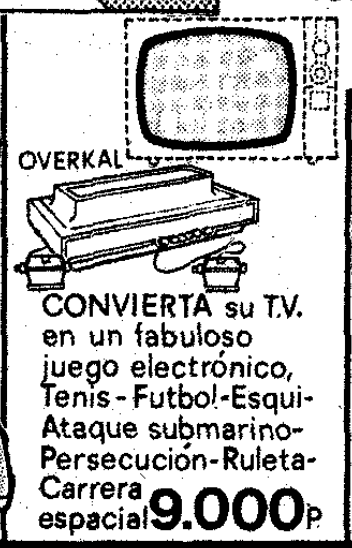
The first mention of the Overkal in the written press, however, was not found until November 24, 1974, in a Christmas sale advertisement from Almacenes Capitol (former department stores in Barcelona that closed in 1982) that appeared in the La Vanguardia newspaper in Barcelona, where it was offered for the price of 9,000 pesetas. The console reappears in another advertisement on December 1, 1974.
La Vanguardia (November 24, 1974)La Vanguardia (December 1, 1974)
I consulted every issue published between 1973 and 1974 of the aforementioned Revista Española de Electrónica, released by Ediciones Rede, a publishing house owned by Pascual Gómez Aparicio. There are no mentions of the Overkal—or even the Odyssey, which served as its inspiration—in their technological news sections.
And what I have been able to ascertain, it is also absent in gift and toy magazines and catalogs, as well as in fairs and conventions in the sector in Spain between 1974, 75, and 76.
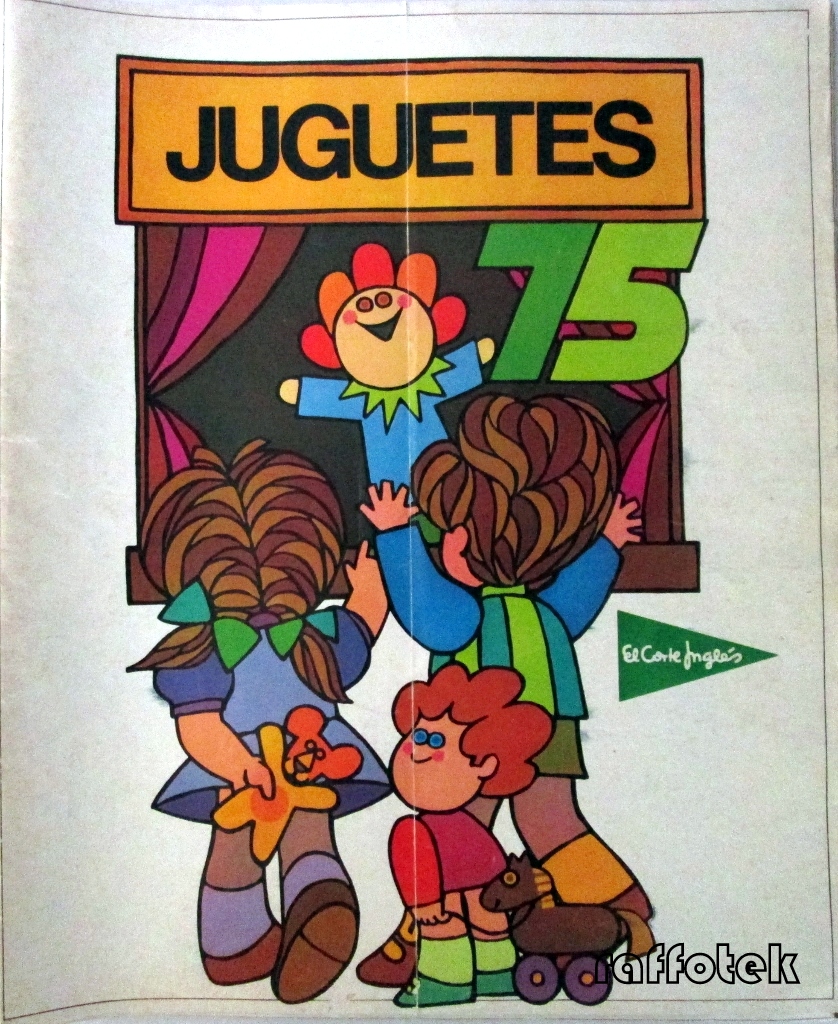
However, at the beginning of 2024, I managed to locate a mention of the Overkal in El Corte Inglés’ toy catalog from 1975. Contrary to what one might expect, the catalog is for Christmas 1974, meaning the year indicated refers to the year of the Three Kings (Epiphany). The list of stores in Spain does not include El Corte Inglés in Vigo, which was inaugurated in September 1975. Additionally, the number of “Depósito Legal” is dated 1974. To the best of our knowledge, the Overkal does not appear in the 1976 toy catalog, or as i should i say, Christmas 1975 catalog.
“Overkal” in the El Corte Inglés “Juguetes’ 75” Toy Catalog(Christmas 1974) Courtesy of Raffotek
Promodisa (Promodis, S.A.)
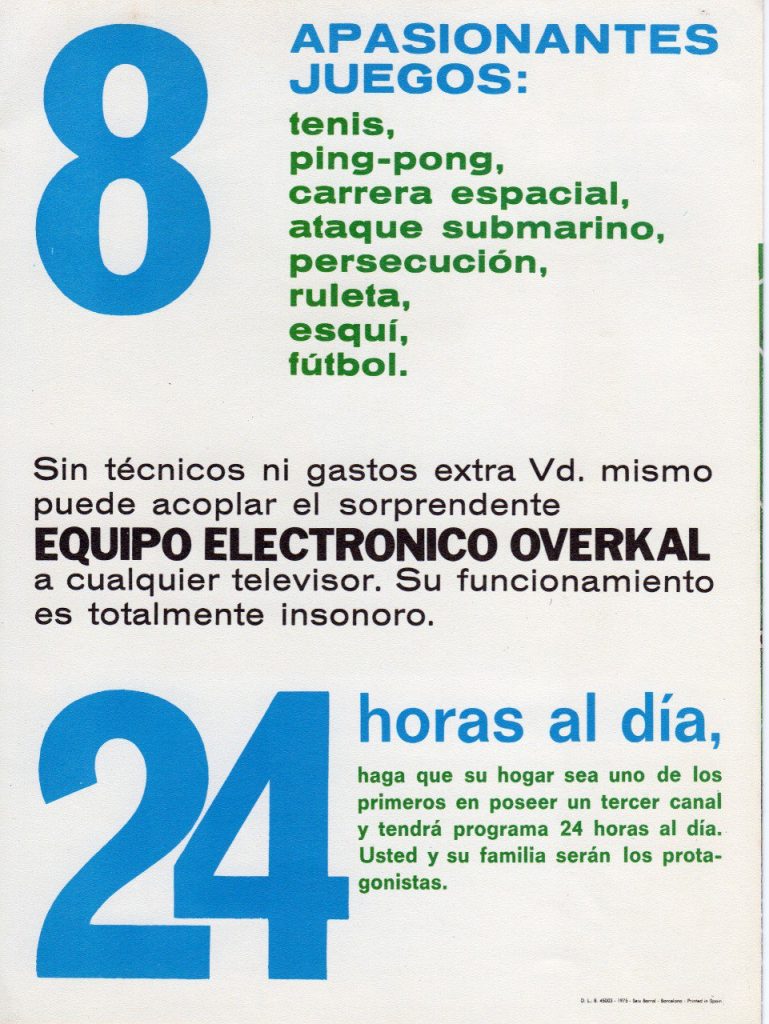
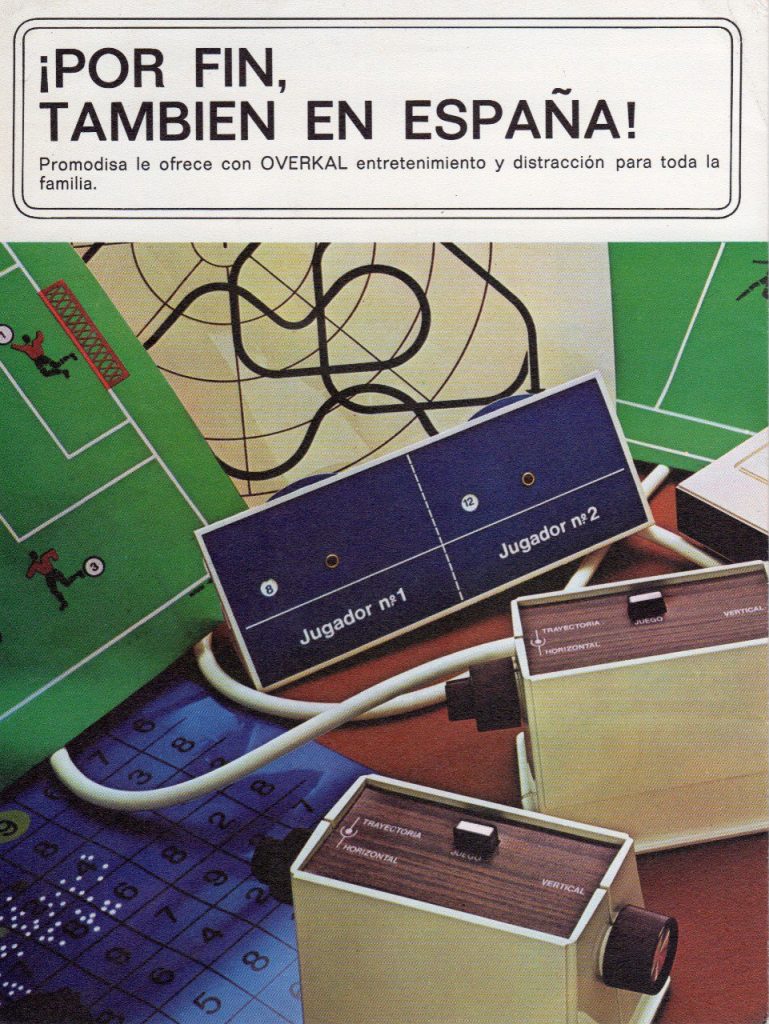
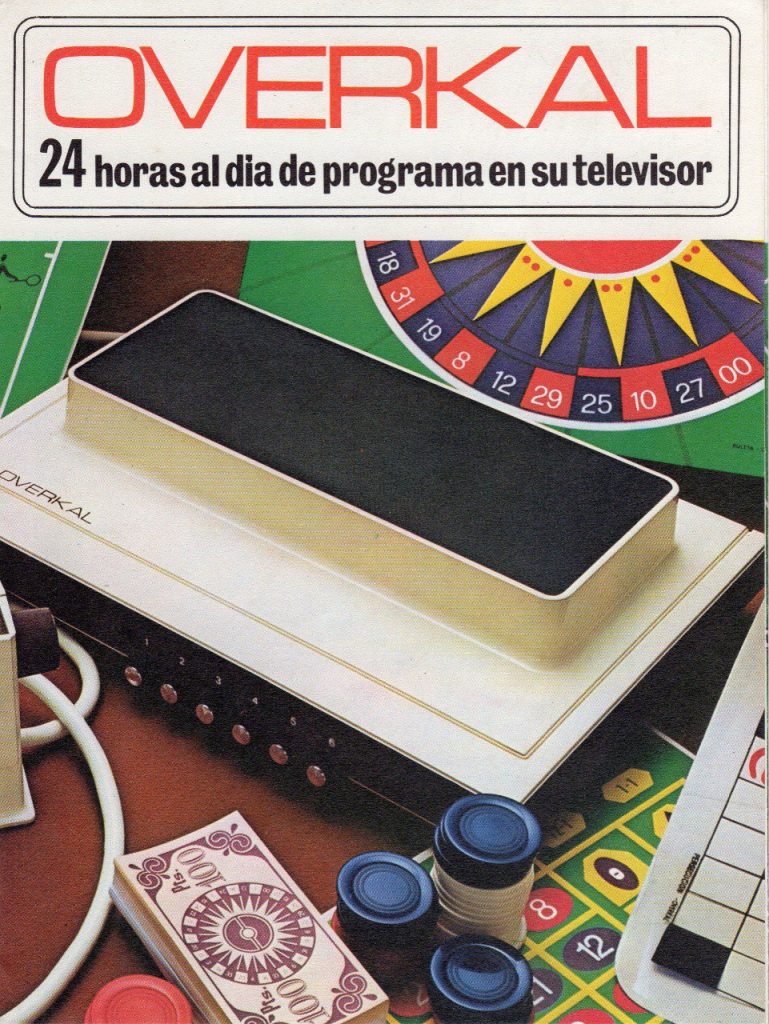
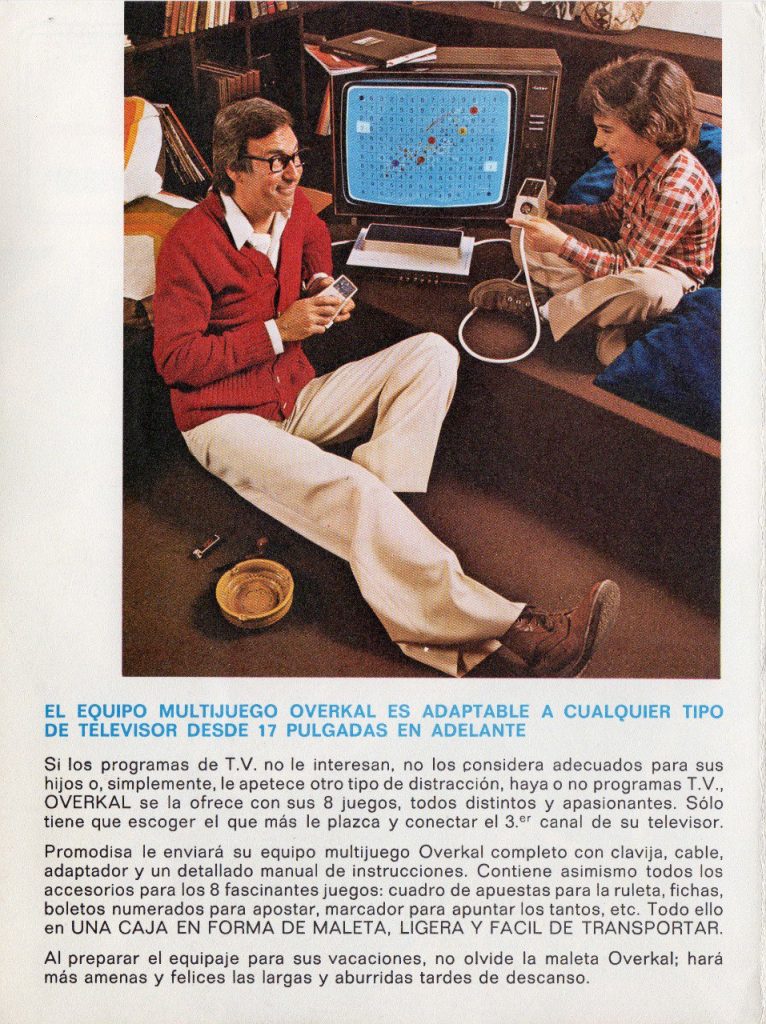
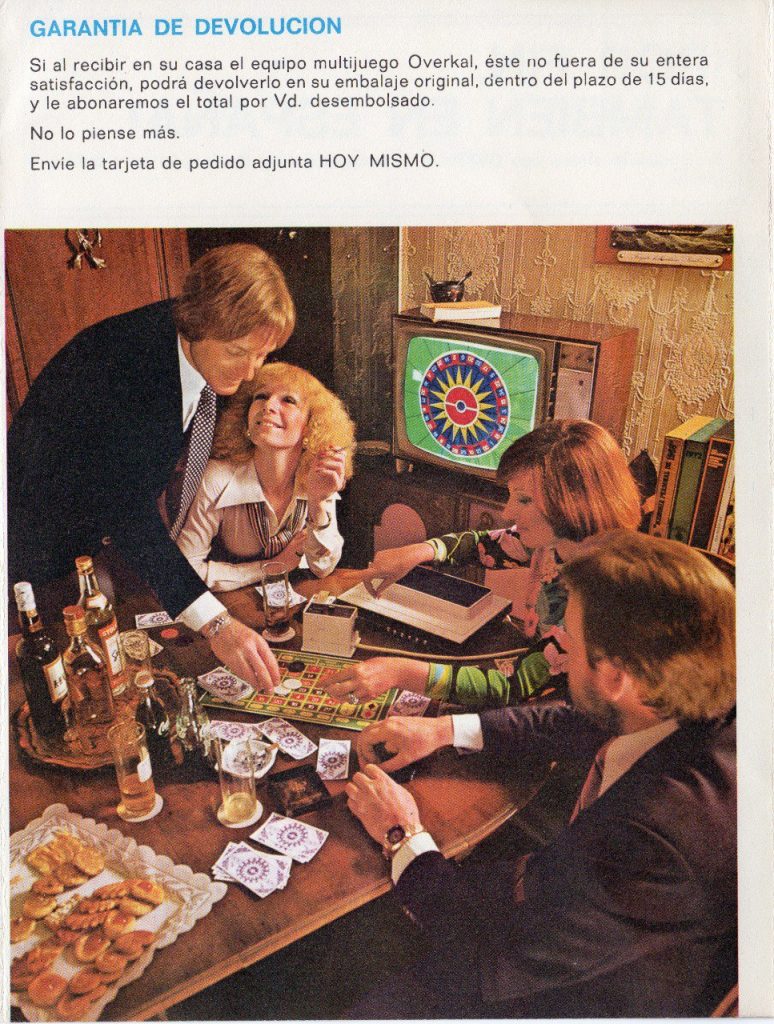
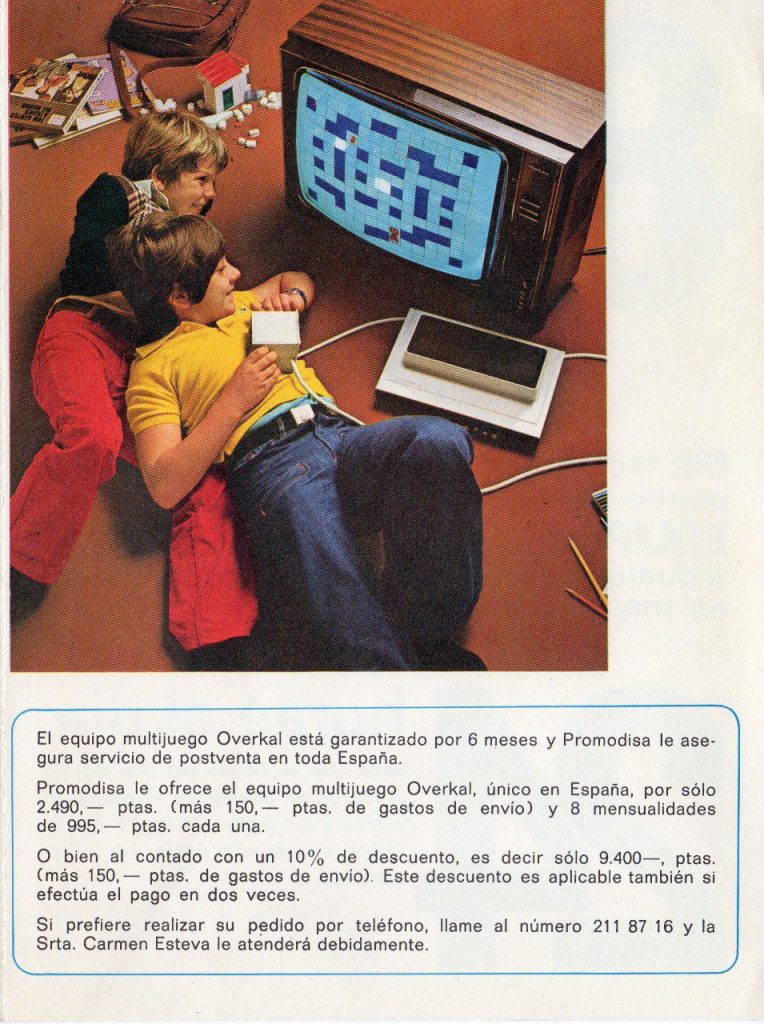
“Overkal : The Third Channel On Your TV” (In Spain we only had 2 TV Channels until the 80s)“For the first time, also available in Spain!” “Promodisa offers Overkal for entertainment and fun for the whole family” (The Overkal was only sold in Spain! What are they talking about?!?)Promodisa’s promotional brochure for “Overkal” (1975) Courtesy of Adrián Morcillo.
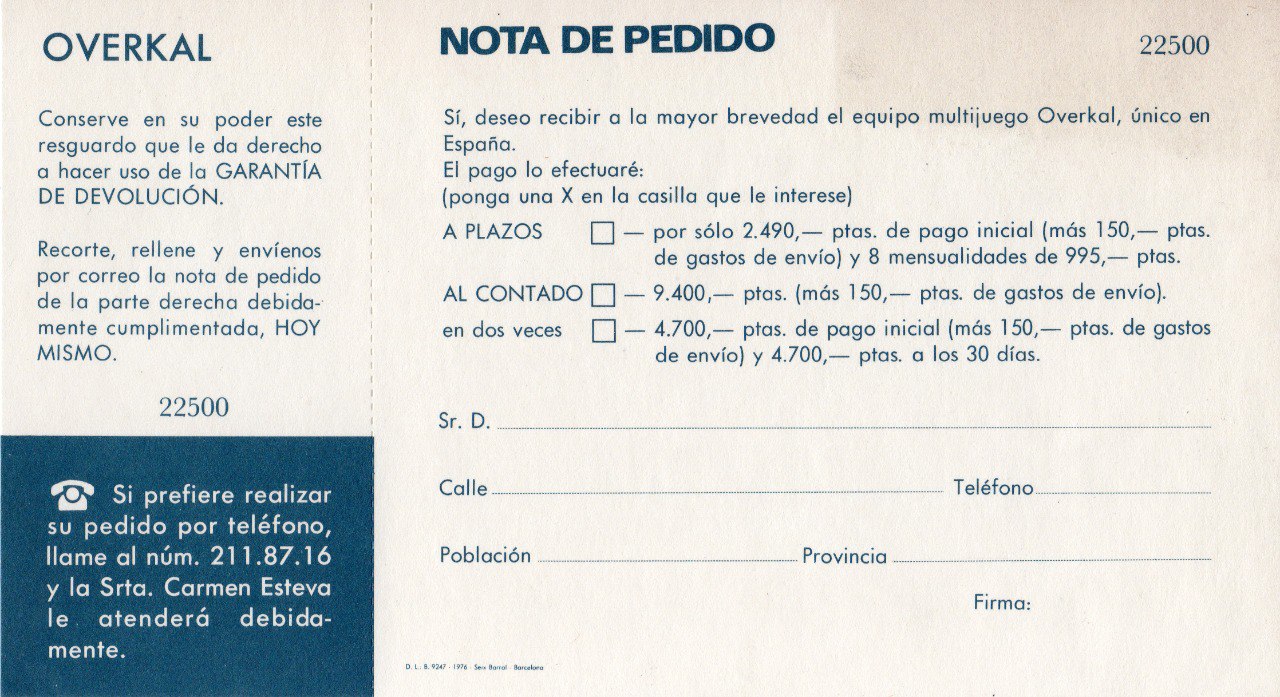
In 2015, user Adrián Morcillo tweeted about acquiring a promotional brochure for the Overkal, in which it was mentioned that it was sold by mail by the company Promodisa, at the full price of 9400 pesetas (with a 10% discount, meaning the full price was 10450 pesetas), or at the price of 2490 pesetas with 8 monthly payments of 995 pesetas, both cases adding 150 pesetas for shipping costs.
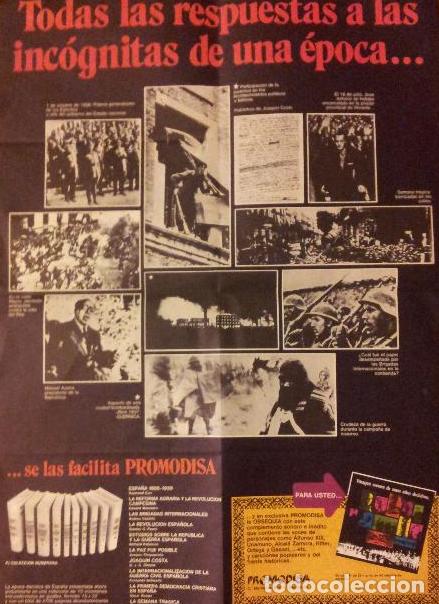
Marçal Mora, in his research for Retro Gamer, reported that Promodisa was a company dedicated to selling products by mail. It was founded on November 19, 1973, as a subsidiary of the Barcelona-based publishing house Seix Barral. Promodisa was one of the distributors of the Overkal.
Mail-order book collection (1974)News of Promodisa’s Commencement of Activities (El Adelantado Newspaper, January 22, 1975) Courtesy of the Biblioteca de Prensa Histórica (Ministerio de Cultura y Deporte)
From what I gathered from speaking with Santiago Arcocha’s son, he mentioned that his family had a connection with Verón Editores — and apparently also with Editorial Juventud, as he recalled receiving several Tintin comics as a child due to his family’s friendship with the publishing house’s director. However, they have no known connection, at least as far as we know, with the Seix Barral publishing house.
The link with Promodisa — and by extension, with the Seix Barral group — was likely established through Pascual Gómez Aparicio, general director of Inter Electrónica. Before starting his industrial career, he was a journalist and editor for Diario de Barcelona, beginning in 1943 at just 18 years old, and continued to be listed as an editor for the publication until 1981.
“Forja de la juventud” (Forging of Youth), first article published by Pascual Gómez Aparicio. Hoja Oficial del Lunes, August 9, 1943.
Although his journalistic activities took a backseat starting in the 1950s due to his involvement in the industrial sector, he remained in the editorial field in a managerial capacity through the founding of Ediciones Rede in 1958, as previously mentioned. This publishing house led to the creation of the Rede Press news agency. On June 17, 1960, he became a member of the Barcelona Press Association. During the 1960s, Pascual wrote about television and technological innovations for various media outlets.
“Comunicación, circular de la Asociación de Prensa de Barcelona” (Communication, circular from the Barcelona Press Association) (January-February 1977)
While Ediciones Rede was an independent publishing house, with no record of direct ties to other imprints, it wouldn’t be surprising if Pascual Gómez Aparicio, given his established editorial and journalistic career, had strong contacts with important publishers of the time in Barcelona.
In this context, it’s quite plausible to think that Pascual maintained contacts with the Seix Barral group. Upon learning that they had launched a company dedicated to mail-order sales, it’s likely that Pascual Gómez Aparicio saw Promodisa as an ideal channel to distribute the Overkal.
The date and legal deposit number found on this brochure (bottom-right corner of the last page) suggest that the Overkal was first sold by Promodisa around mid-1975, pending a request to the National Library of Catalonia for the date of presentation of the legal deposit number. It’s interesting how this detail was not considered before.
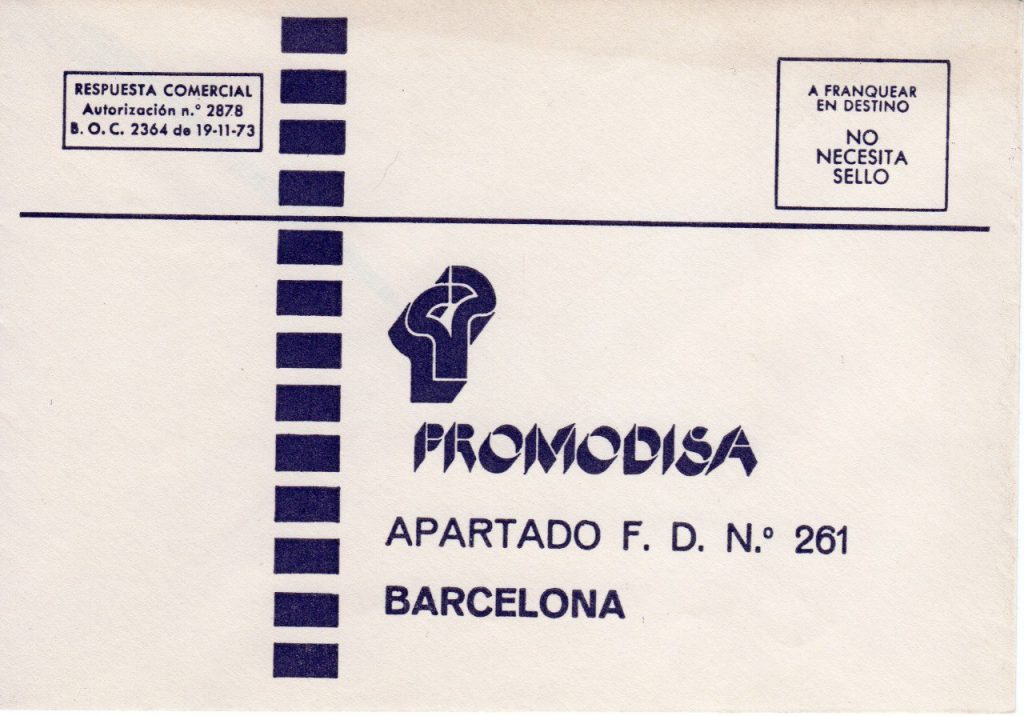
The existence of other brochure with an order form, unpublished until the publication of this article, shows that Promodisa was selling the Overkal in late 1975 and early 1976, judging also by the legal deposit numbers (the brochure’s is from late 1975 and the order form is from early 1976).
Promodisa’s promotional brochure for “Overkal” (1975). Courtesy of Adrián Morcillo.Envelope and order note from Promodisa to order the Overkal (1976). Courtesy of Adrián Morcillo
Considering all the aforementioned, it is evident that the Overkal had a relatively long commercial life for an “experiment,” but considering certain aspects, it is not too difficult to understand how this happened…
The “Success” of the Overkal
In 2017, I found an Overkal for sale on Wallapop (Spanish selling and buying second-hand app). I usually ask sellers of these consoles when and where they acquired them. Luckily, the seller was the original owner of the console and kindly shared his memory with me:
The console was purchased on the eve of Reyes Magos Day in 1977 at midnight, as stores used to close very late on that date. I went to dinner with my parents, and as we left a bar, we saw the “toy” in the shop window of an appliance store. Both my father and I liked it, so he bought it as a gift for Reyes. It wasn’t planned to buy it; my father simply took a liking to it and purchased it on the spot.
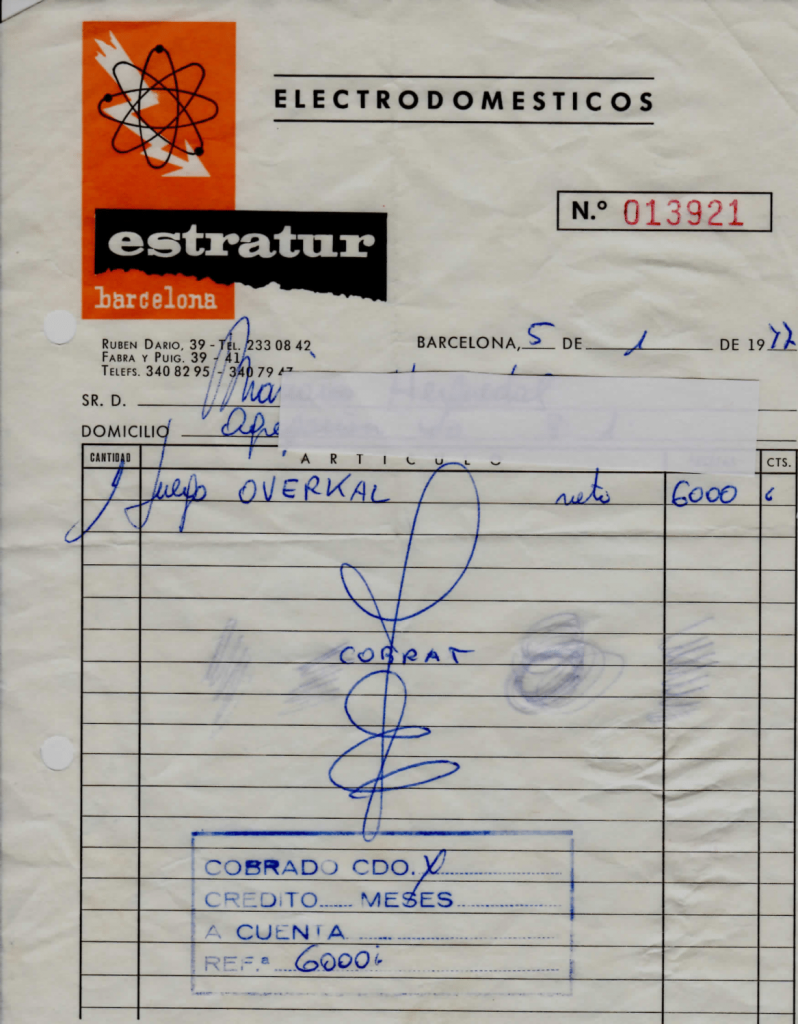
Estratur was a rather large neighborhood appliance store where they sold refrigerators, stoves, televisions, etc. I don’t know why the console was in the shop window, as it was an item that frankly didn’t fit there.
It was purchased at Estratur on Paseo de Fabra i Puig. They also had another smaller store on Rubén Darío Street; both were in the Sant Andreu neighborhood.
Sant Andreu was not a neighborhood of high economic power; on the contrary, it was a working-class neighborhood. Factories like Pegaso (next to Estratur), La Maquinista, Fabra i Coats were located in this neighborhood.
I don’t know where they sold it, as we were unaware of the existence of this device; we discovered it by chance.
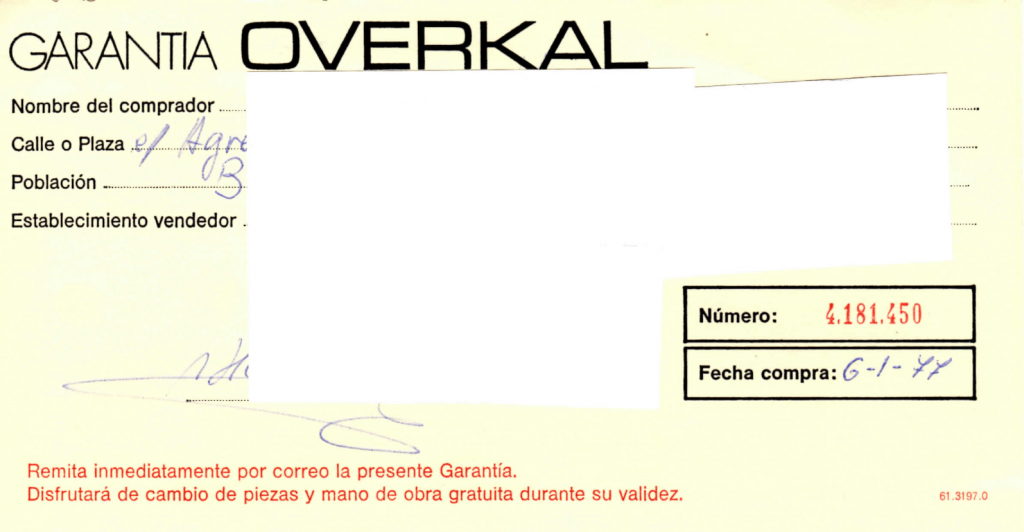
He also shared this invoice with me, dated January 6, 1977, at a price of 6000 pesetas, approximately a third less than the original sale price in 1974.
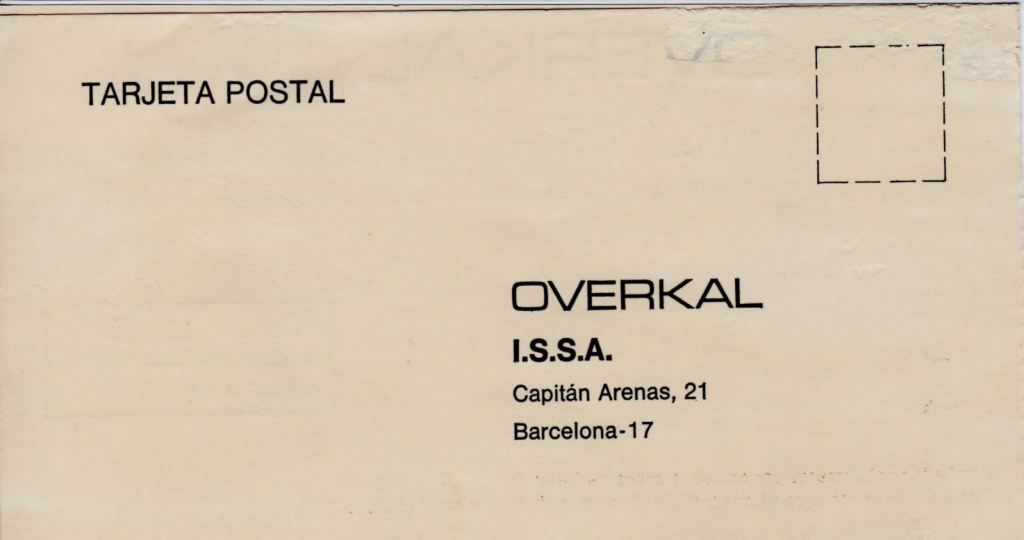
He also sent me this warranty postcard, never seen before.
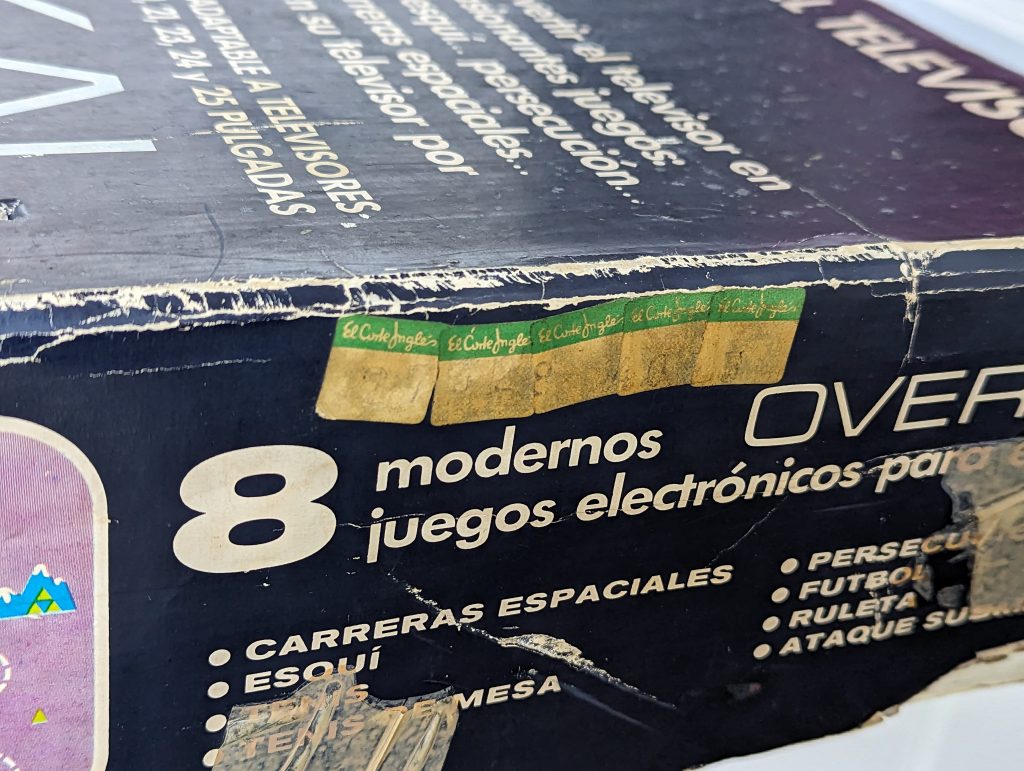
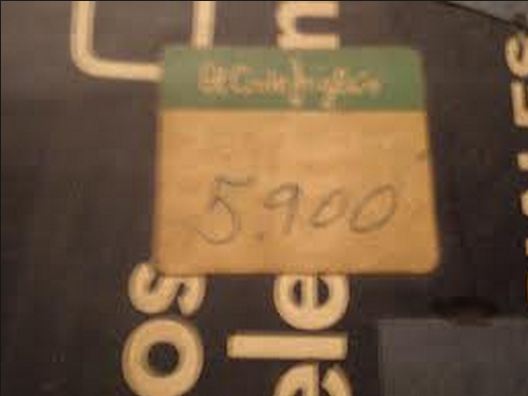
On the other hand, the consoles that I have found for sale in second-hand boards almost always showed discounts. Such is the case with this Overkal from Marçal Mora, with various El Corte Inglés stickers on the box, the result of going through several markdowns. As well as another console with the price handwritten, indicating it was a clearance.
Based on a comment from an owner of a unit purchased during Christmas at El Corte Inglés in Vigo (which, as mentioned above, was inaugurated in November 1975), we know that by the end of 1975, the department store chain was still distributing the Overkal.
Photos courtesy of Marçal Mora (RetroMaquinitas.com)
If that weren’t enough, there were stores that began discounting the console just a year after its launch, likely trying to get rid of their stock.
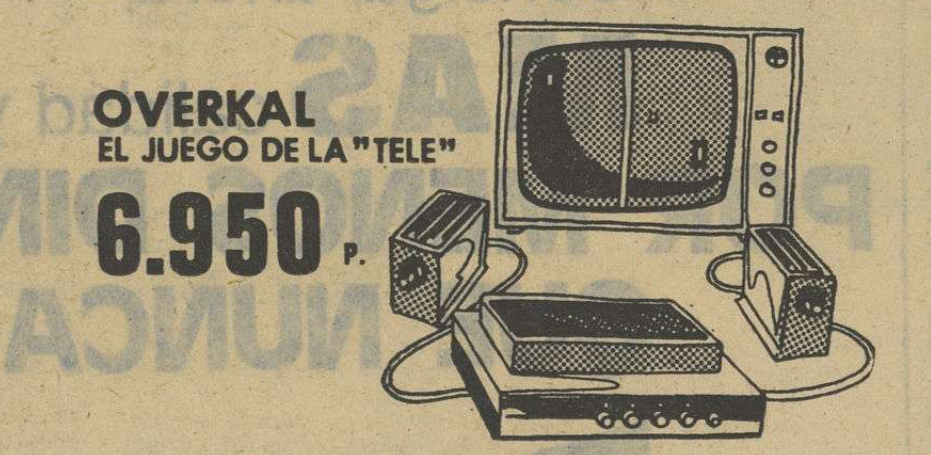
For example, an advertisement for sales in the appliance store chain VER appeared in the Madrid newspaper “Pueblo” on July 7 and 14, 1975, where the Overkal was offered for just 6,950 pesetas. This is notable considering that around 8 months earlier, it was being sold for 9,000 pesetas at Almacenes Capitol in Barcelona. There’s no doubt that the console wasn’t selling well.
Overkal in a discount advertisement from Electrodomésticos VER (Diario “Pueblo”, July 14, 1975) Courtesy of Biblioteca de Prensa Histórica (Ministerio de Cultura y Deporte)
Considering all this, it is clear that Overkal sales were slow and sporadic. Units collected dust on shelves, and most were sold through clearance and discounts, and very slowly.
But how is it possible that the Overkal, a supposedly “revolutionary” machine for its time and even sold at El Corte Inglés (the largest and most known department store in Spain), could be so rare and unknown?
The answer lies in the fact that for a “toy” or family entertainment, it was extremely expensive. The minimum wage in Spain in 1974 was about a third of the console’s price, roughly 3,000 pesetas.
The distribution of the console, despite being relatively widespread due to its sale at El Corte Inglés as well as other department stores and electronics retailers, had almost no presence in catalogs, magazines, or electronics and toy fairs and conventions. The only advertising the Overkal received came from distributors; Inter never made any advertisements or mentions of the console in any of its own product catalogs.
Moreover, the concept of connecting devices to a television or using the TV for gaming was quite novel at the time. Many were hesitant to embrace the idea, despite the fact that by 1975, 79% of Spanish households had a television receiver.
Based on everything that has been discussed, it is clear to state that Inter Electrónica was hesitant to sell the Overkal. Whether due to legal, commercial, or other reasons, we can only imagine and speculate, as I have explained above based on weak evidence. The exact truth of what happened 50 years ago will remain unknown…
It seems surprising, but despite not achieving much success in Spain, Overkal was a console that was highly influential in the development of the first successful console in Argentina, or at least indirectly.
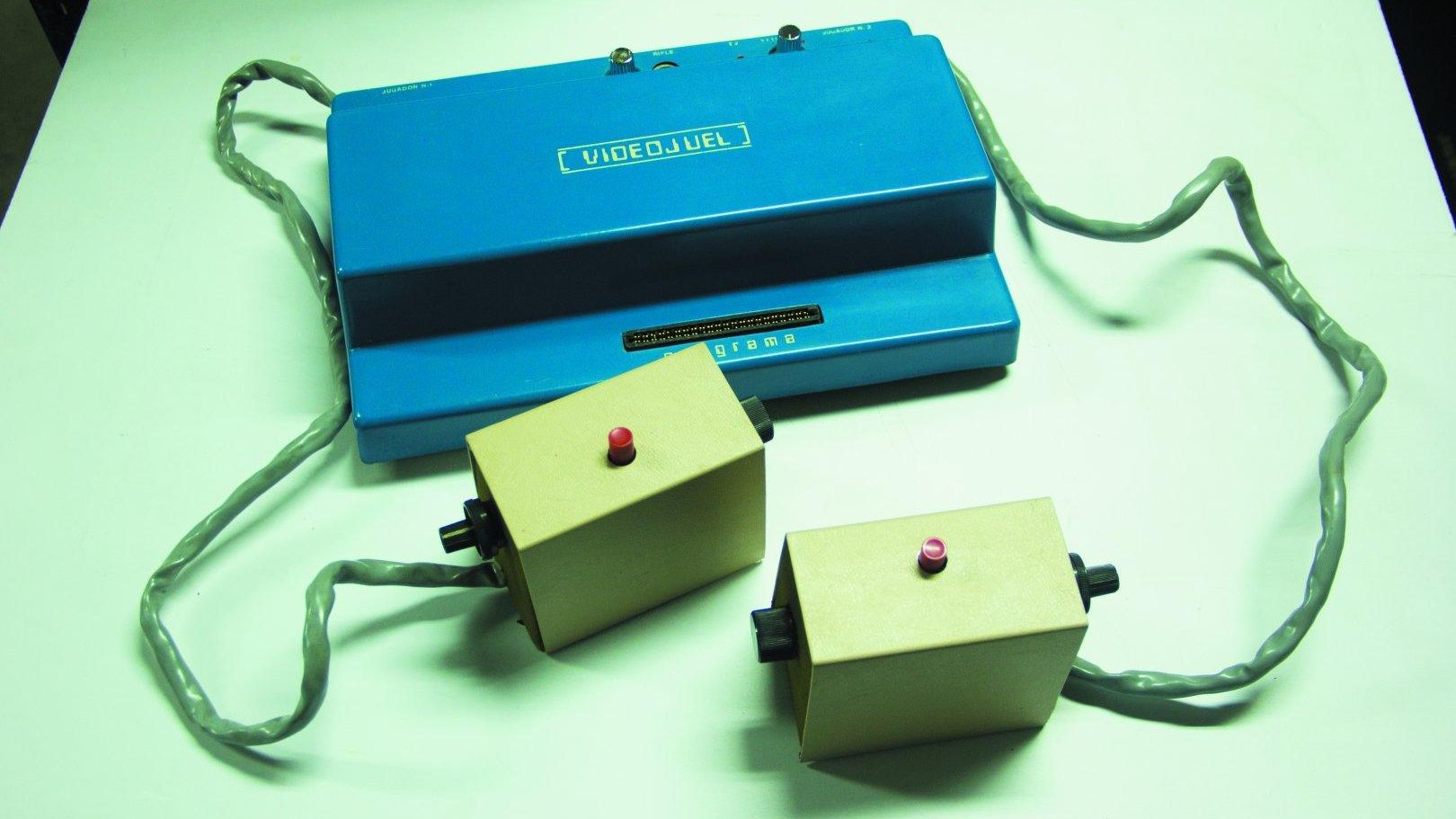
Between late 1974 and early 1975, technician Mario Luis Díaz, owner of Laboratorio Electrónico Hiroshima, a local business he opened in 1966 in the La Plata neighborhood of Buenos Aires, dedicated to the sale and repair of appliances, radios, and TVs, began designing the Videojuel console, also a Magnavox Odyssey clone.
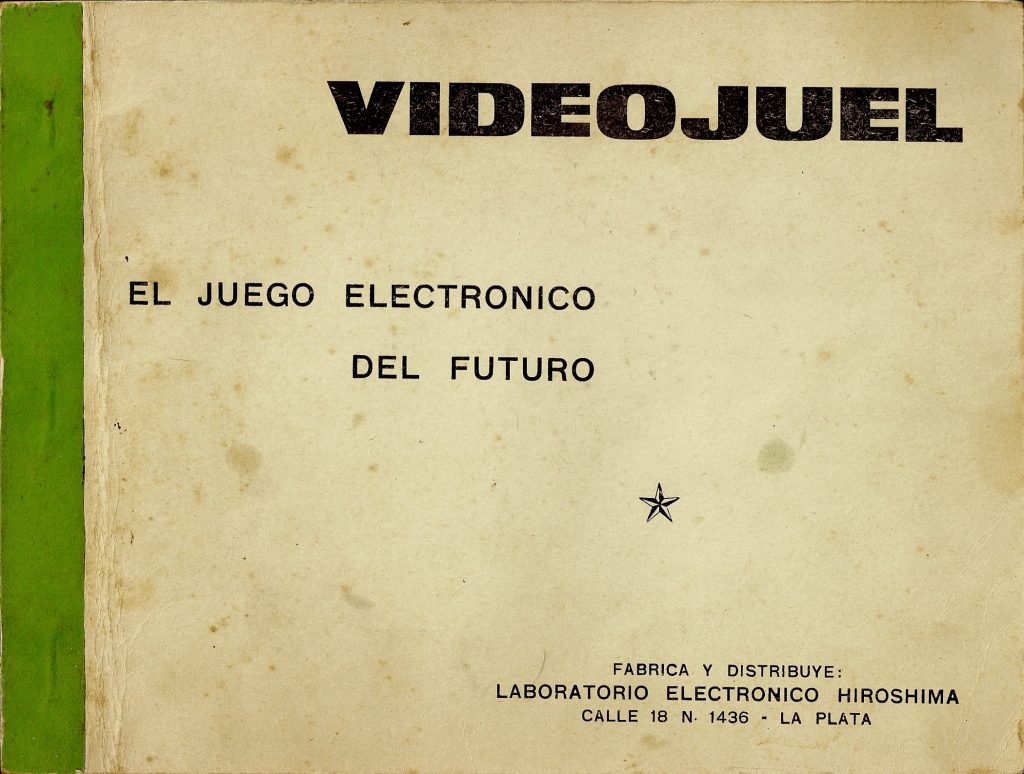
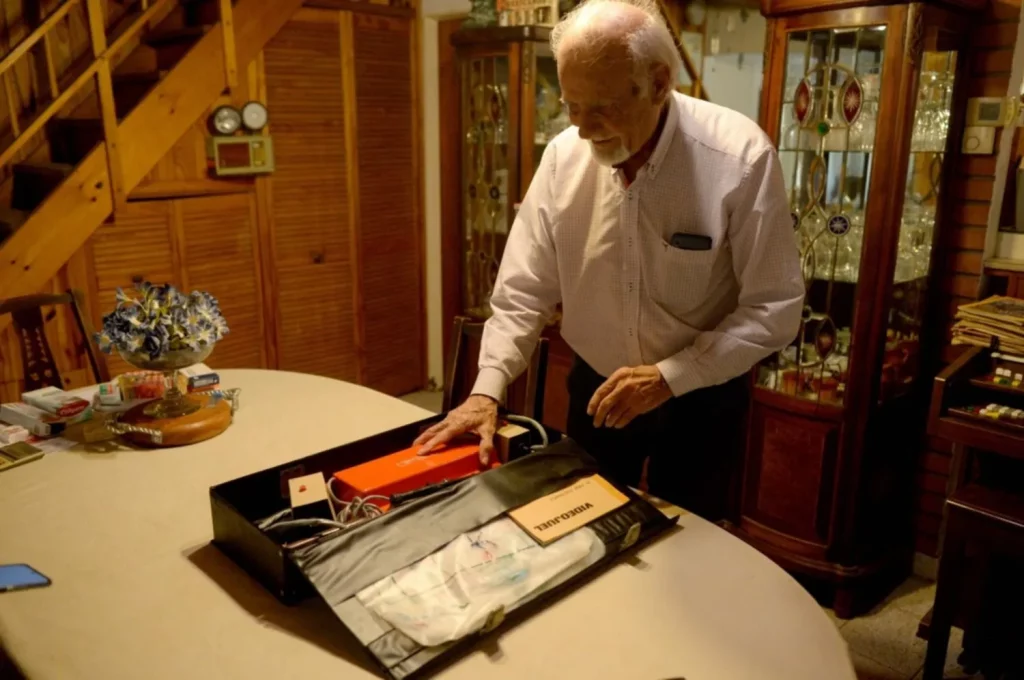
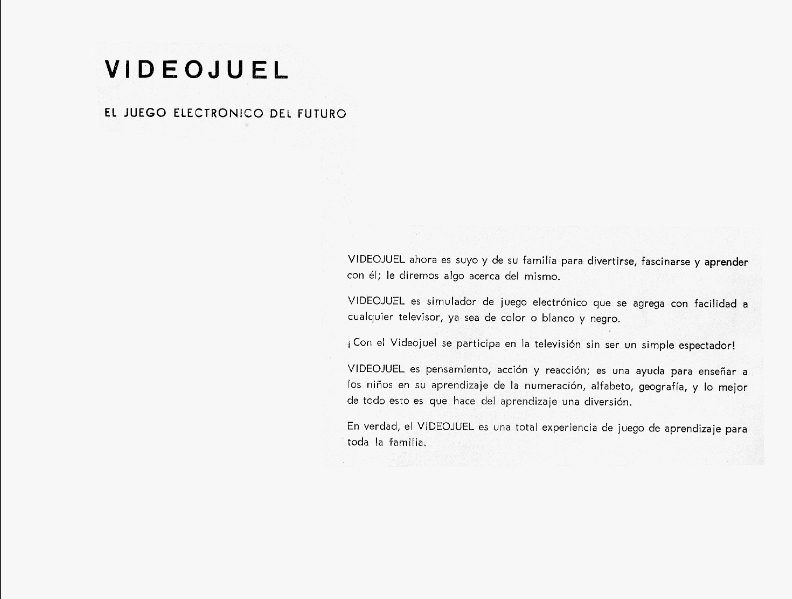
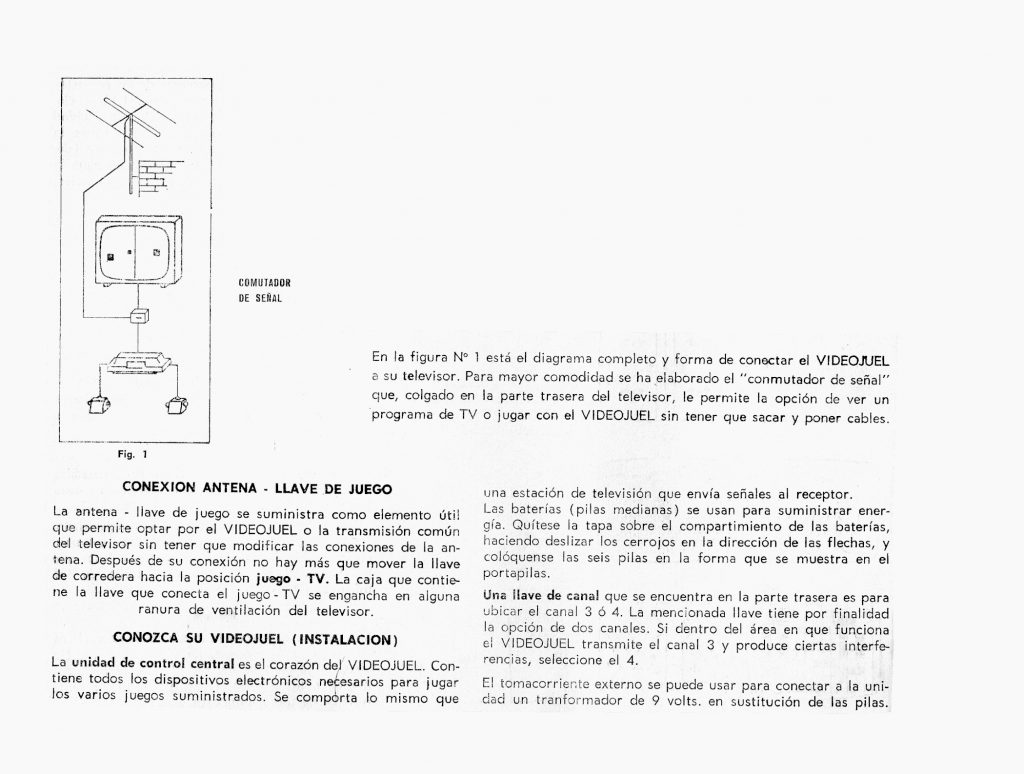
Cover of the instruction manual for the “Videojuel” (1975). Click here to view it full.Mario Luis Díaz alongside his creation, the Videojuel. Photograph courtesy of Martín Arrúa.
He worked on it in his shop from 8:00 p.m. to 1:00 a.m., and it was by no means an easy task. It’s worth considering not only the technology available in Argentina at the time and the lack of resources Díaz had, but also all the complications he faced.
He encountered problems with some unions, which, for various reasons, hindered the development of the Videojuel. There were also other anecdotal incidents, like the time the police arrested him for having a rifle in his hands. However, it wasn’t a real rifle; it was a plastic one that Mario had designed for one of the console’s games. Luckily, a friend of his who was a policeman managed to get him out of jail. It’s worth noting that Argentina in 1975 was in a turbulent socio-political situation.
Mario’s idea with the console wasn’t just to create a device for children to entertain themselves with, but one with which they could have fun while learning. This intention is reflected in the introductory text of the instruction manual.
In an interview I conducted in March 2024, Mario Díaz confessed that the inspiration for the Videojuel primarily stemmed from a photograph he had seen of the Magnavox Odyssey. However, the fact that this clone included games such as Handball and Volleyball, in addition to the Shooting Gallery, suggests he had a much closer and deeper contact with that specific console.
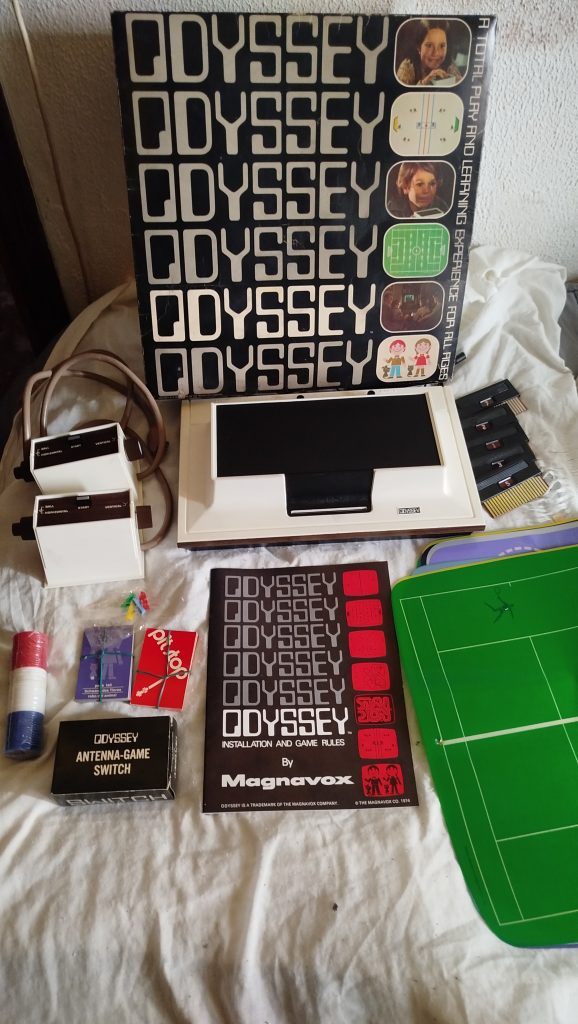
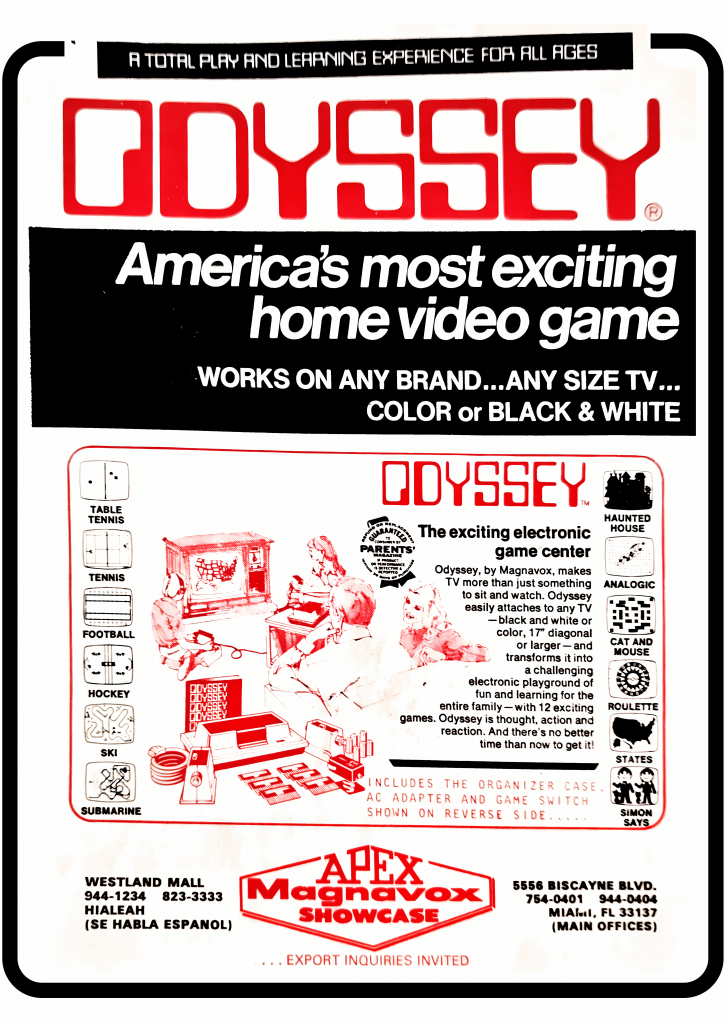
Some time later, almost by chance, I managed to track down the exact source of Mario’s inspiration. It was a complete Magnavox Odyssey set including the Shooting Gallery, marketed by Apex (an authorized distributor in Miami). I was able to acquire this unit in October 2025—though my bank account certainly felt the sting.
Magnavox Odyssey “Export” version from my personal collection
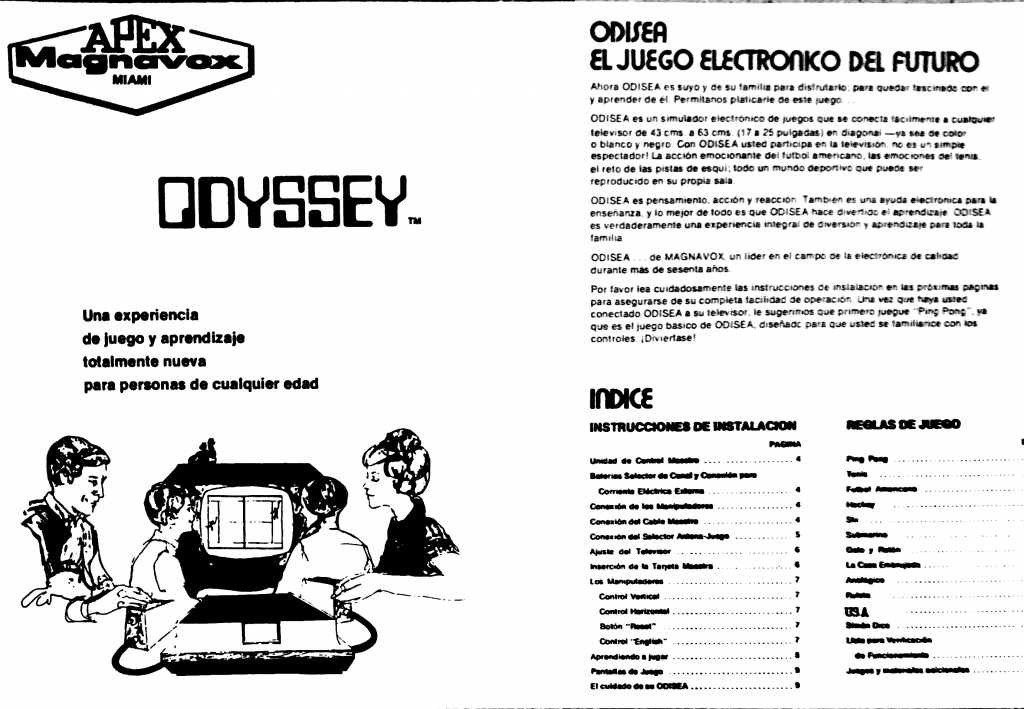
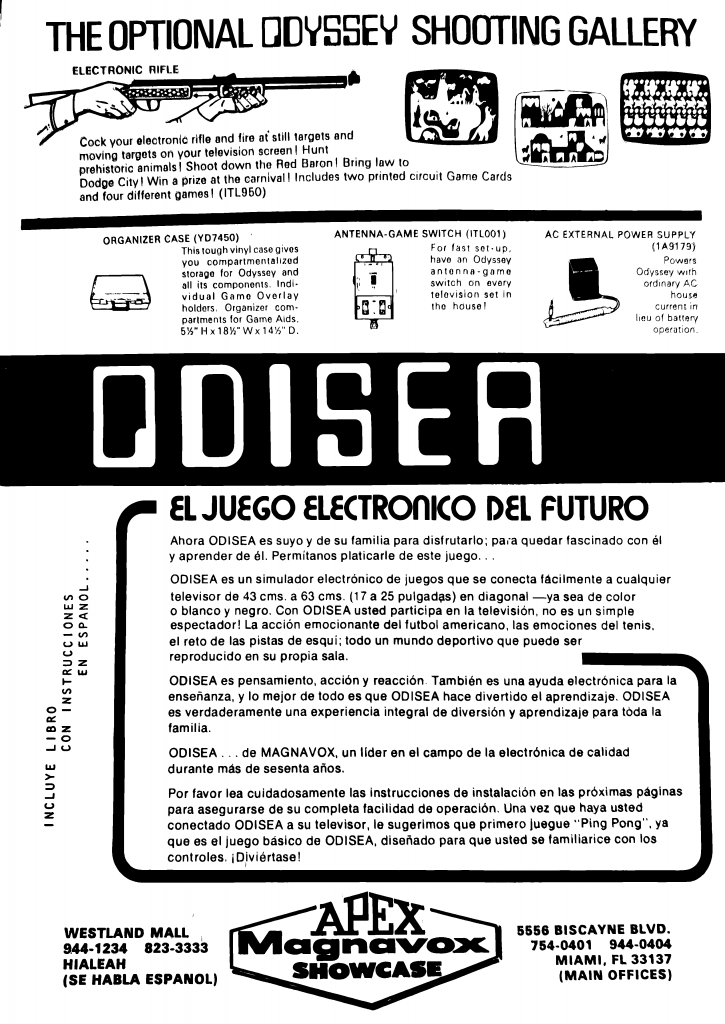
Around 1975, Apex began liquidating units housed in the official carrying case, discarding the internal styrofoam but keeping the outer box. Given that Miami is one of the U.S. cities with the strongest Hispanic influence, Apex adapted the console for a bilingual market by including a Spanish instruction manual alongside the original English one.
Spanish Magnavox Odyssey (Odisea) manual distributed by Apex Magnavox in Miami.
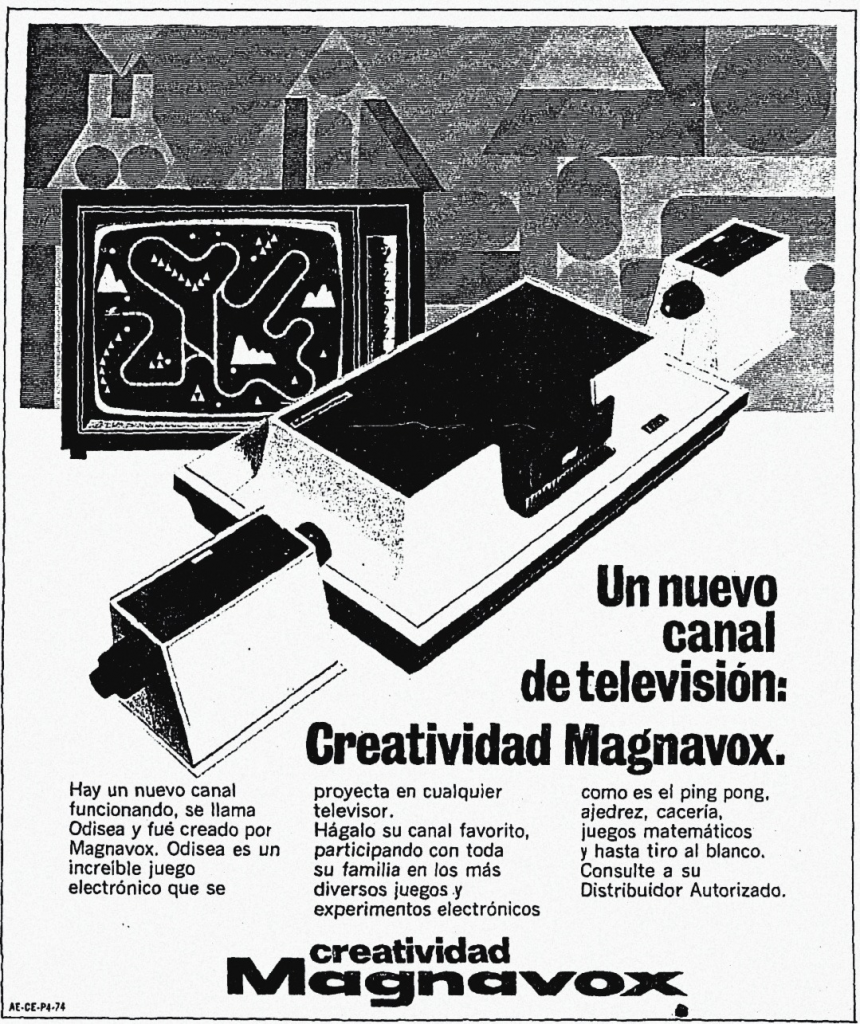
This booklet was essentially a photocopy of the Magnavox Odisea manual, which was the version distributed in Mexico in 1974 by Construcciones Eléctricas, S.A.
Advertisement for the Magnavox Odisea (Diario El Porvenir, April 29, 1974) Courtesy of the National Digital Newspaper Archive of Mexico
This particular unit was the “Export” version of the Odyssey, originally intended for the European market, which featured differences in the included games and accessories. However, likely due to unsold surplus stock, it ended up being sold in Miami in 1975. We can deduce this from the Shooting Gallery inspection card date (February 1975), while the console itself is dated October 1974.
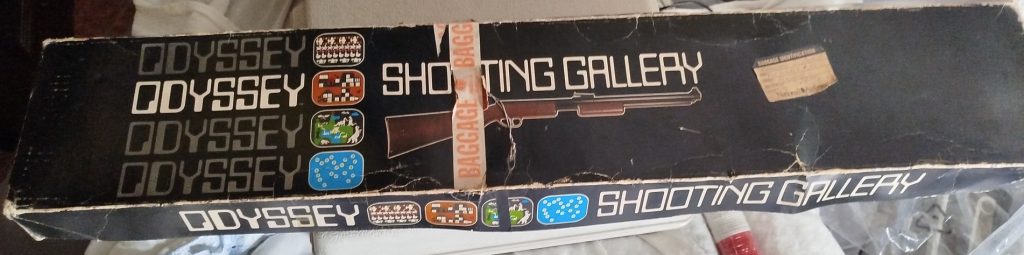
This particular console traveled to Spain in the late 1970s; the Shooting Gallery box bears luggage stickers from the defunct National Airlines (headquartered in Miami), which was absorbed by Pan Am in 1980. This was likely one of the few units imported to Spain during that era.
Shooting Gallery box with a National Airlines sticker, with destination to Madrid.
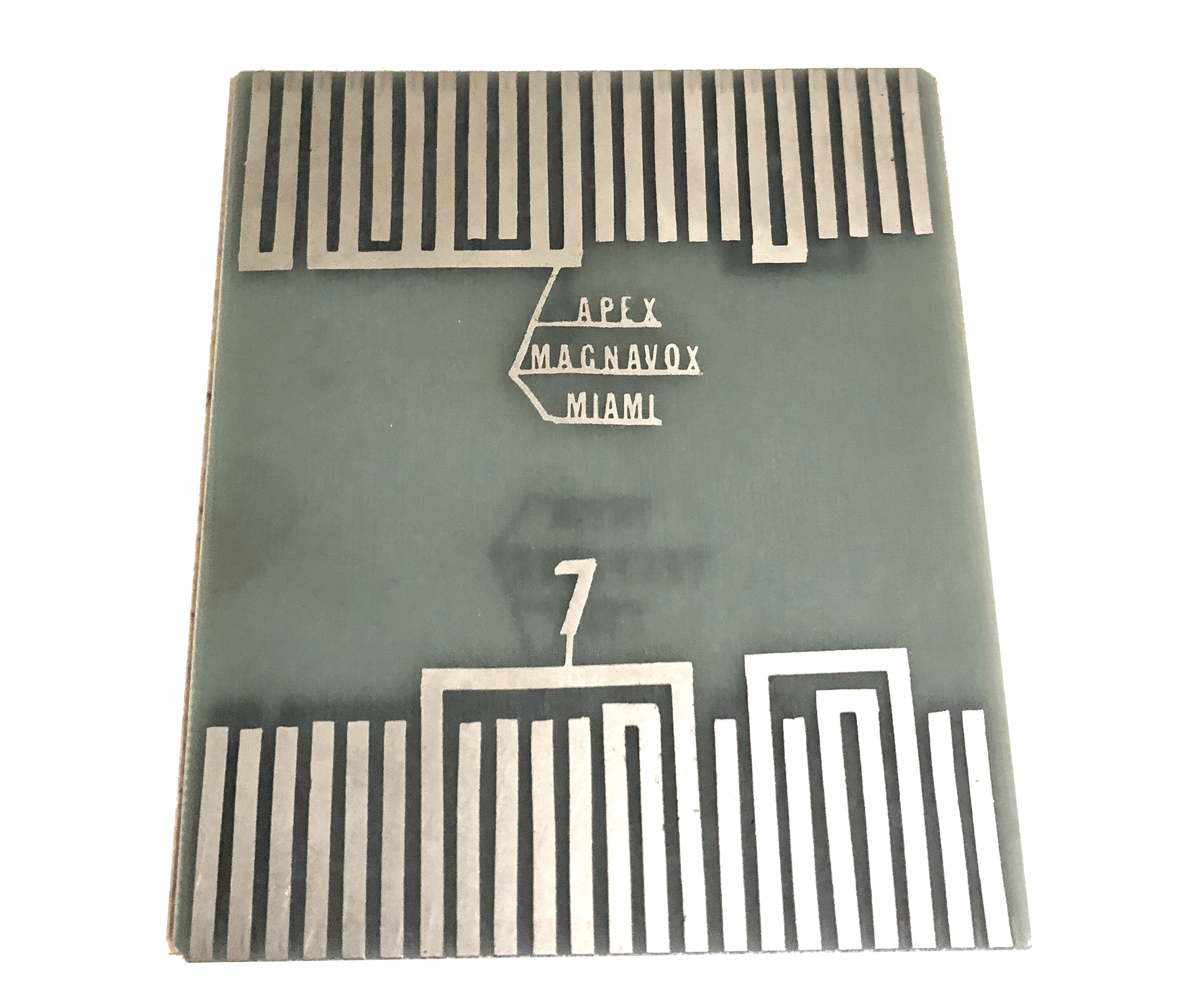
Furthermore, these consoles sold in Miami typically included a double cartridge—dubbed the “Blue Card” by Odyssey collectors—which combined game cards 7 and 8, specifically used for Handball and Volleyball.
Apex Magnavox Miami Blue Card 2 in 1 game cart (c. 1975) Courtesy of Tarkus02 (AtariAge)Blue Card running on a Magnavox Odyssey showing the game Handball.
This discovery explains why the Videojuel was presented in a briefcase, justifies the aesthetic of its cards (modeled after the Blue Card), and clarifies the inclusion of elements that, at first glance, would seem improbable for a clone. Remarkably, the Videojuel manual contains phrases lifted word-for-word from the Spanish Apex manual, which in turn was taken from the Mexican manual.
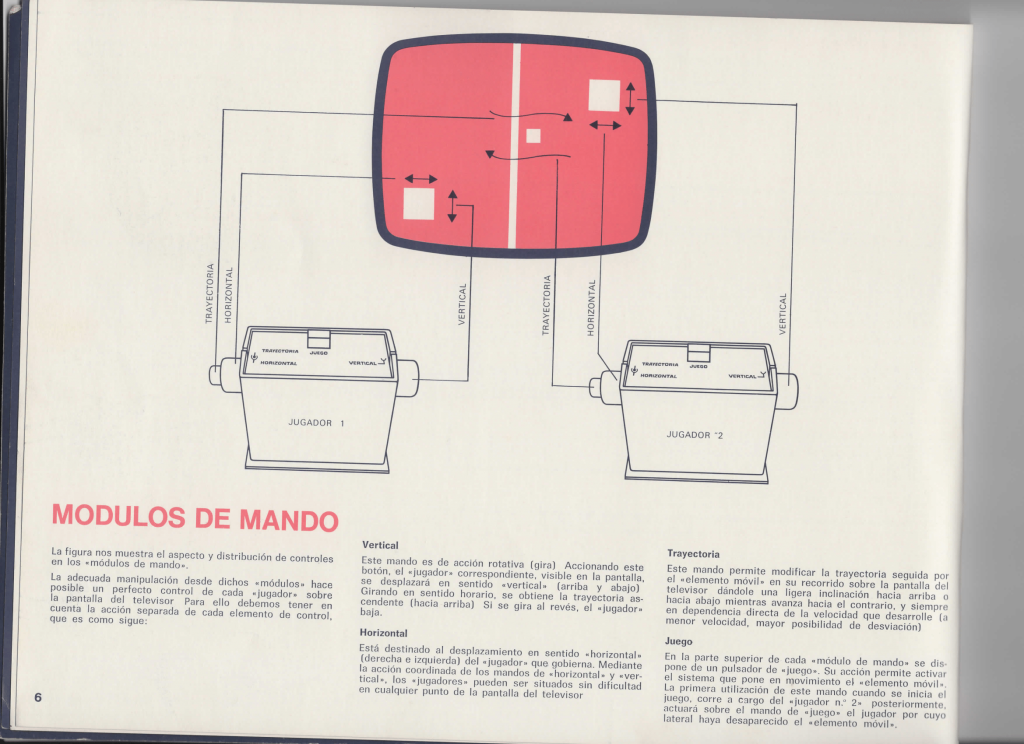
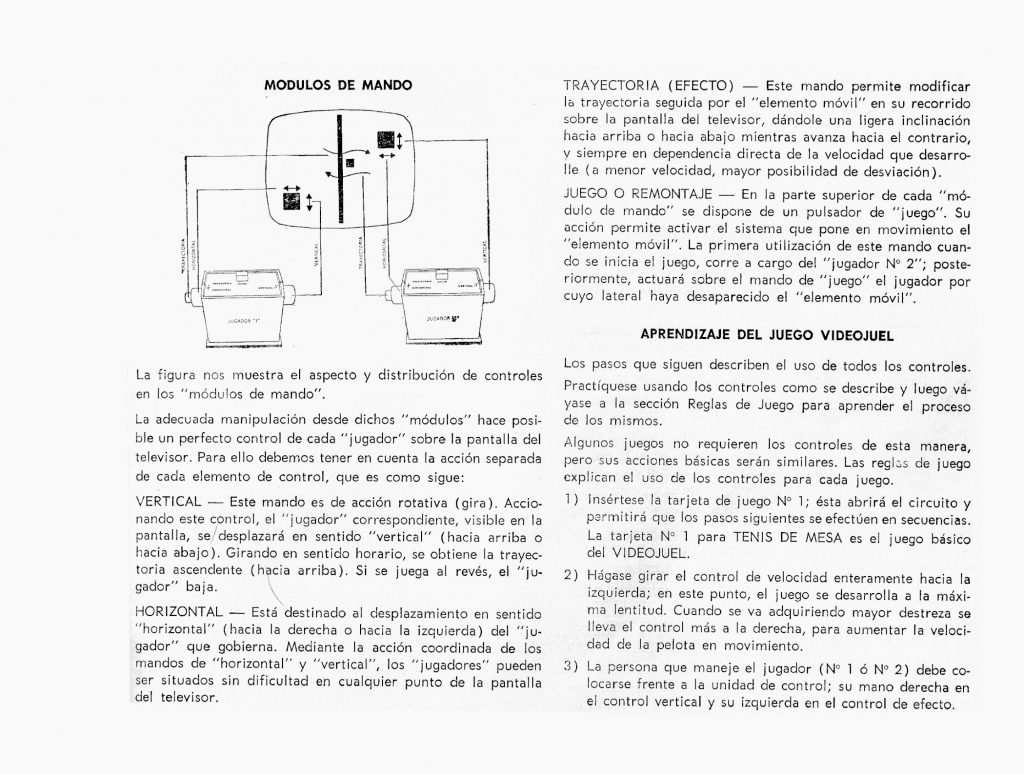
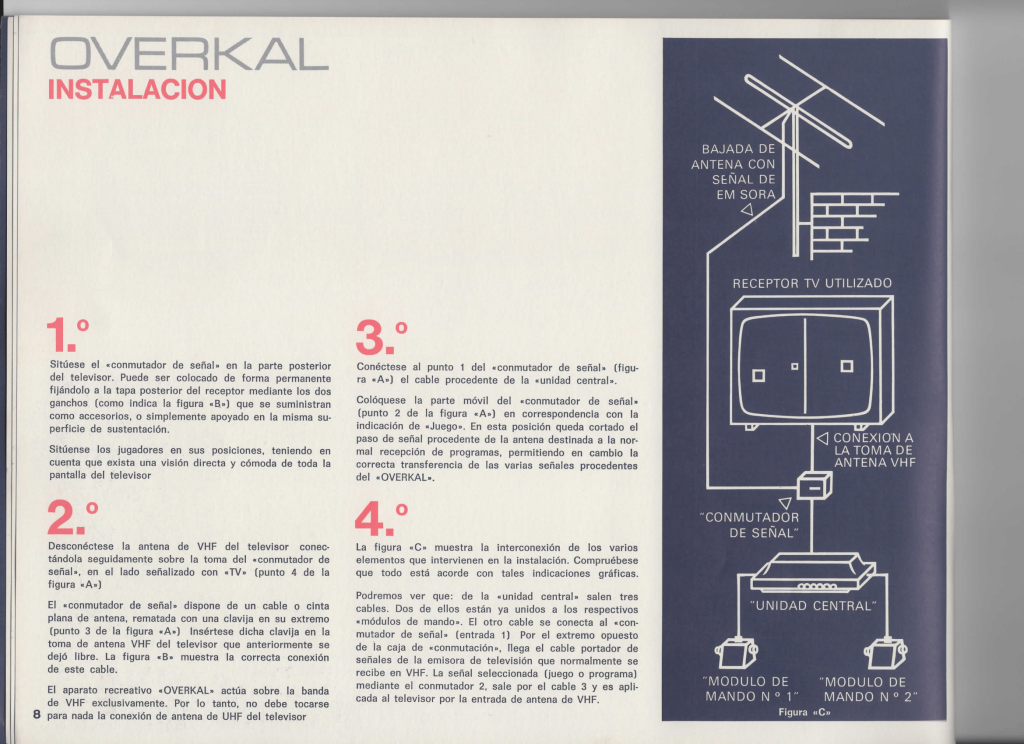
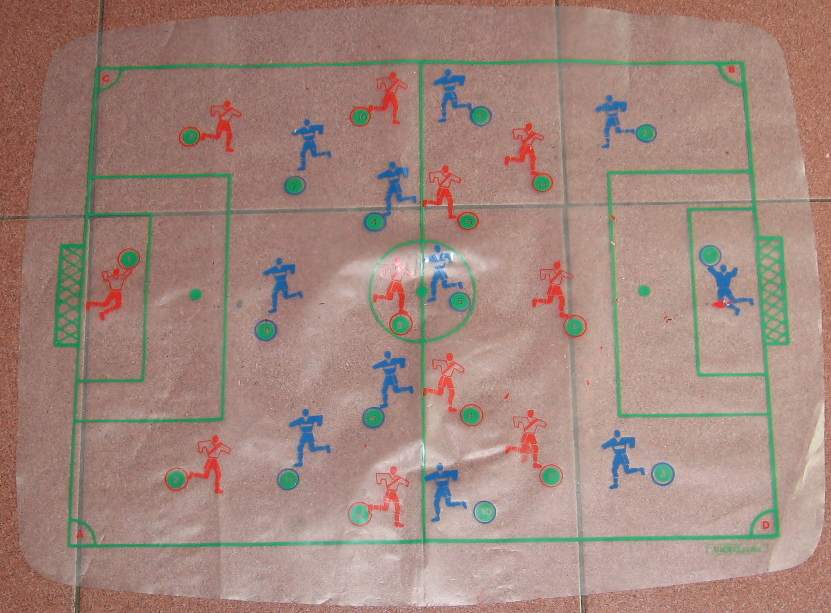
Additionally, this console took inspiration from some elements of the Overkal, to the point where some texts and illustrations in the Videojuel instructions are taken almost verbatim from the Overkal manual. The transparent overlay for the “Fútbol” game, which was an exclusive game designed for the Overkal not found in the Odyssey, was also copied by the Videojuel.
Controller Modules (Overkal)Controller Modules (Videojuel)Installation of the OverkalInstallation of the Videojuel“Fútbol” overlay of the Overkal. Courtesy of Alfonso R.“Fútbol” overlay of the Videojuel. Courtesy of Compuclasico.com
This suggests that Mario Luis Díaz, in addition to the Odyssey, had contact with the Overkal. However, when I had the opportunity to interview him, he told me he was not familiar with that console. Considering that almost 50 years have passed, it’s understandable that he may not remember. Although it’s very clear that they must have also been aware of the Overkal based on the evidence I’ve just presented.
The console’s casing, instruction manual, letters, and overlays were designed in a photographic studio that Mario himself owned.
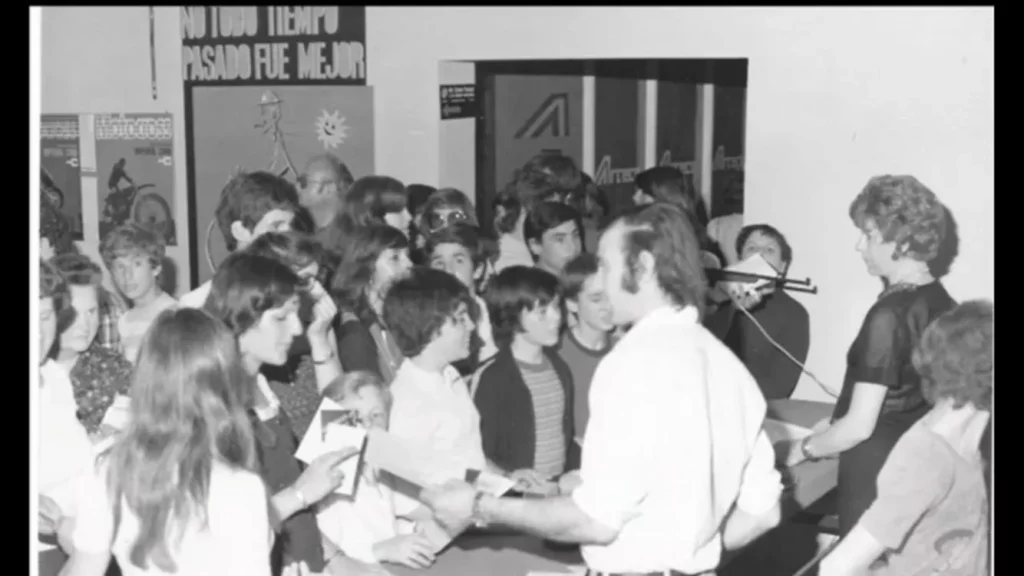
The Videojuel was showcased at an exhibition periodically held at the Albert Thomas industrial school in the La Plata neighborhood to showcase new technological products. It had a display with 14 consoles for playing. The Videojuel captured the interest and attention of both children and adults. Those present were amazed by the rifle and the color provided by the overlays.
Videojuel display at the Albert Thomas Industrial School
This caused huge crowds to visit his shop shortly afterward, requiring him to set up two televisions with two consoles on a counter so that four people could play.
At the insistence of his friends, he decided to register the Videojuel with the Argentine Model and Design Registry on October 21, 1975.
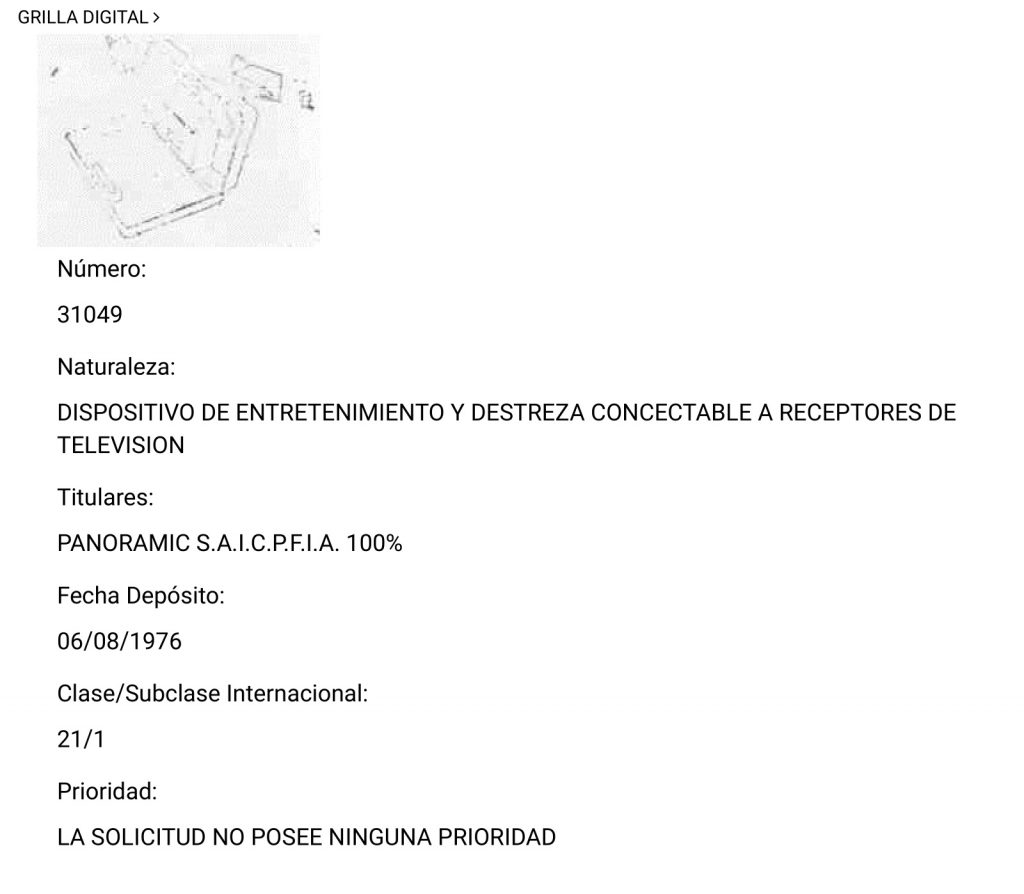
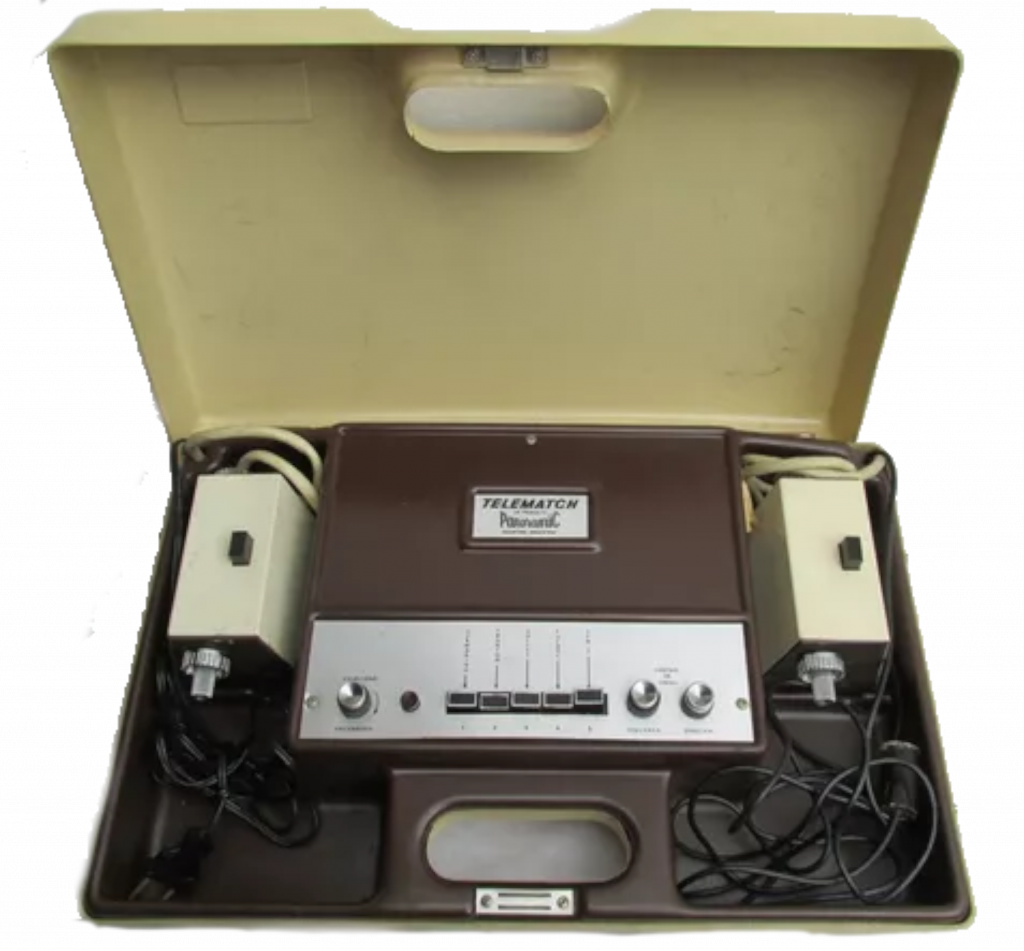
However, since one of the agents at the Registry was an employee of the Argentine radio and television firm Panoramic, he took notice of its design. Influenced by the Videojuel, they designed a console with a briefcase-shaped casing in which the controllers and power transformer were stored, but which did not have overlays or accessories. It had a game selector using buttons, which is similar to the Overkal. This design (which was also a Magnavox Odyssey clone) called “Dispositivo de entretenimiento y destreza conectable a receptores de televisión” (Entertainment and Skill Device Connectable to Television Receivers) had been filed on August 6, 1976.
Telematch de Panoramic’s registry at the National Institute of Industrial Property of Argentina
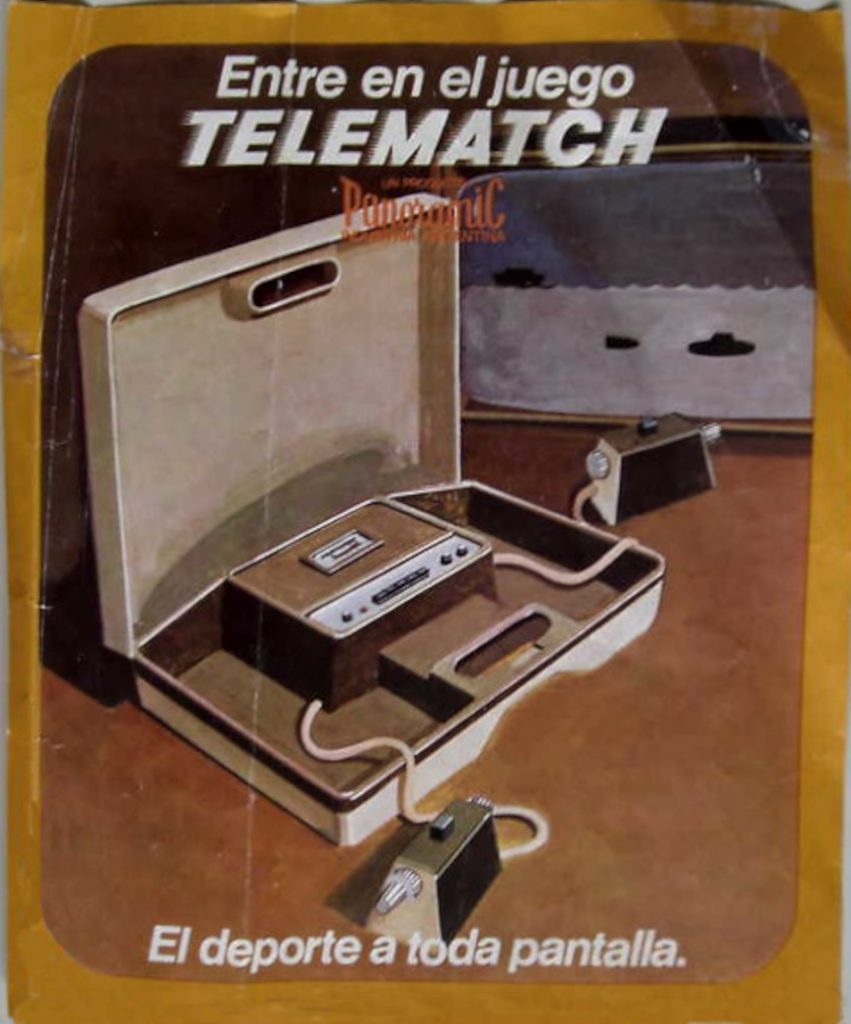
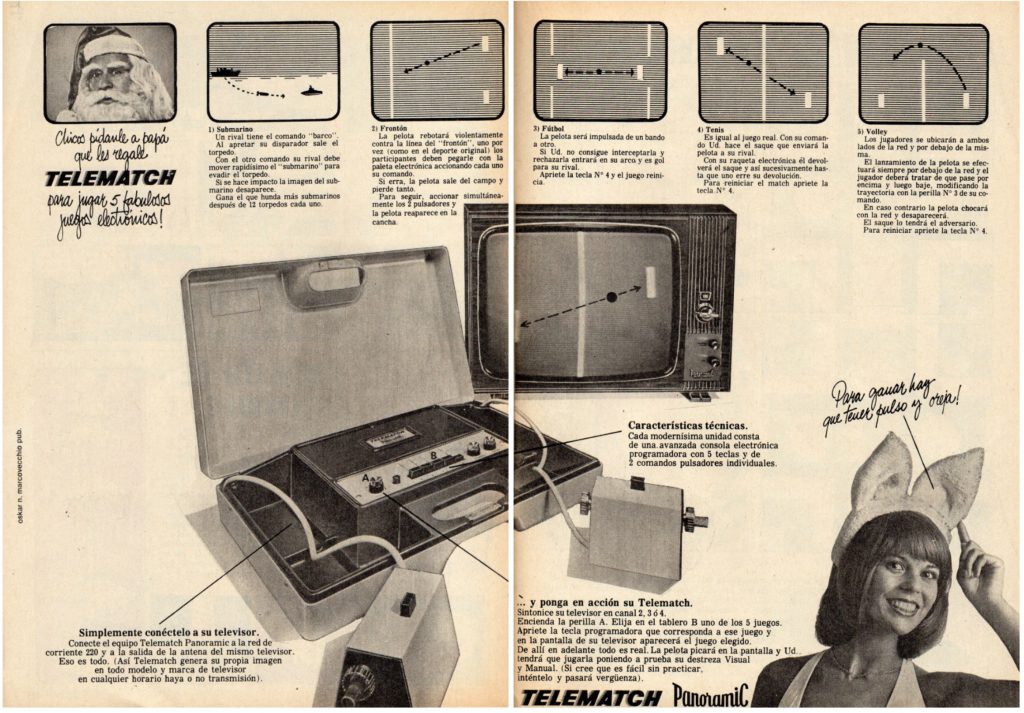
Shortly after, Telematch de Panoramic console was being marketed in September 1976, becoming a resounding success in Argentina, selling several thousand units.
Advertisement for Telematch de Panoramic in the children’s magazine “Anteojito,” December 1976
Due to the overwhelming competition, distributor network, and the advantage of a company the size of Panoramic, combined with Mario Díaz’s economic problems, he was forced to stop commercializing his console. Only 150 units of the Videojuel were produced.
Frustrated by this, he decided to take Panoramic to court. In Mario’s words, he sought recognition for being the first in Argentina to create a video game console, and therefore to prioritize its registration and invalidate the one presented by Panoramic. However, since it was an invention model, those at Panoramic argued that since it wasn’t a patent, their registration didn’t constitute any infringement. Mario didn’t want any financial compensation, but he wanted justice for the work he had done. However, he ended up withdrawing the lawsuit due to the death of his lawyer.
Mario Luis Díaz went to live in Brazil for a while. He tried to convince the executives of Sharp’s Brazilian subsidiary to commercialize his invention; however, he was unsuccessful.
Meanwhile in Spain…
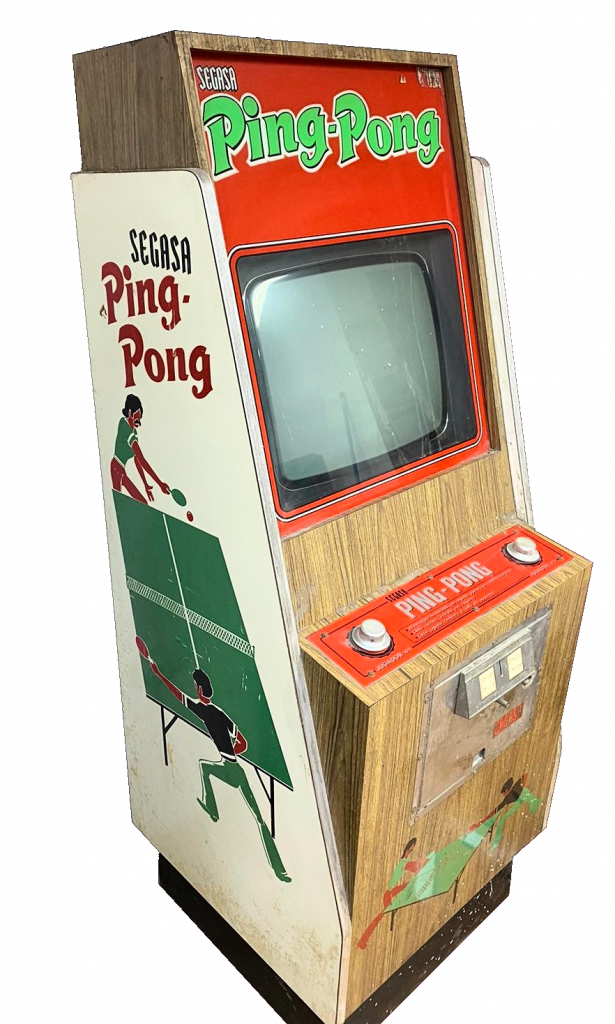
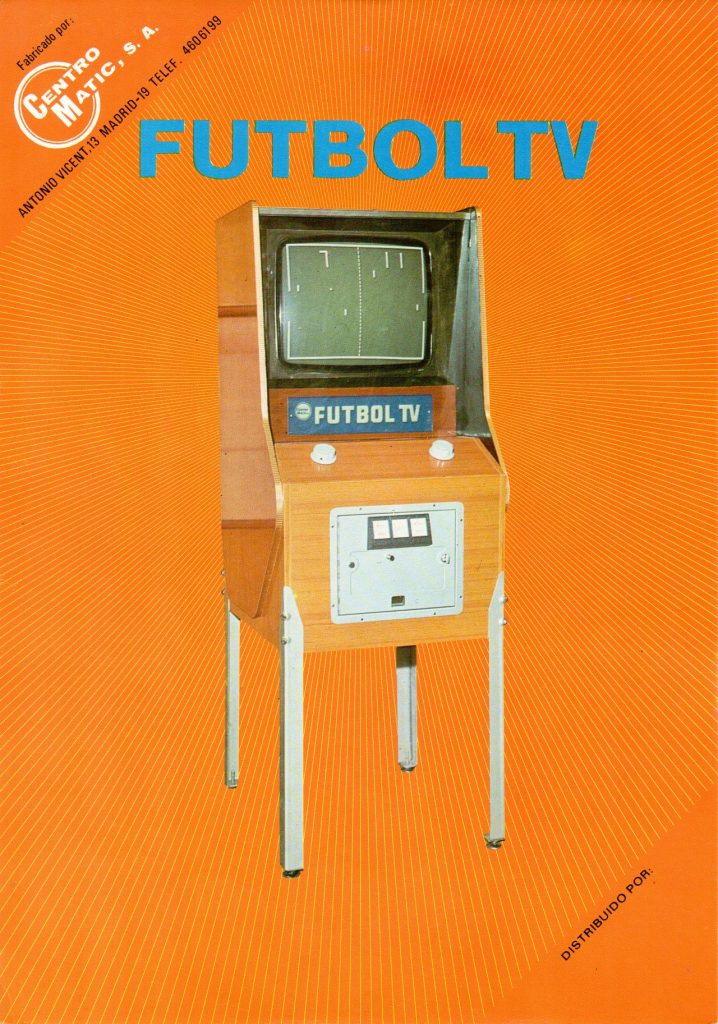
The first appearance of video games in Spain happened in the amusement field, through the introduction of Sega, S.A.’s Ping-Pong, a Pong clone from Atari introduced in the spring of 1973. It was based on the Alca Ping-Pong. Sega, S.A. was founded in Spain in March 1968 with capital of Sega Enterprises.
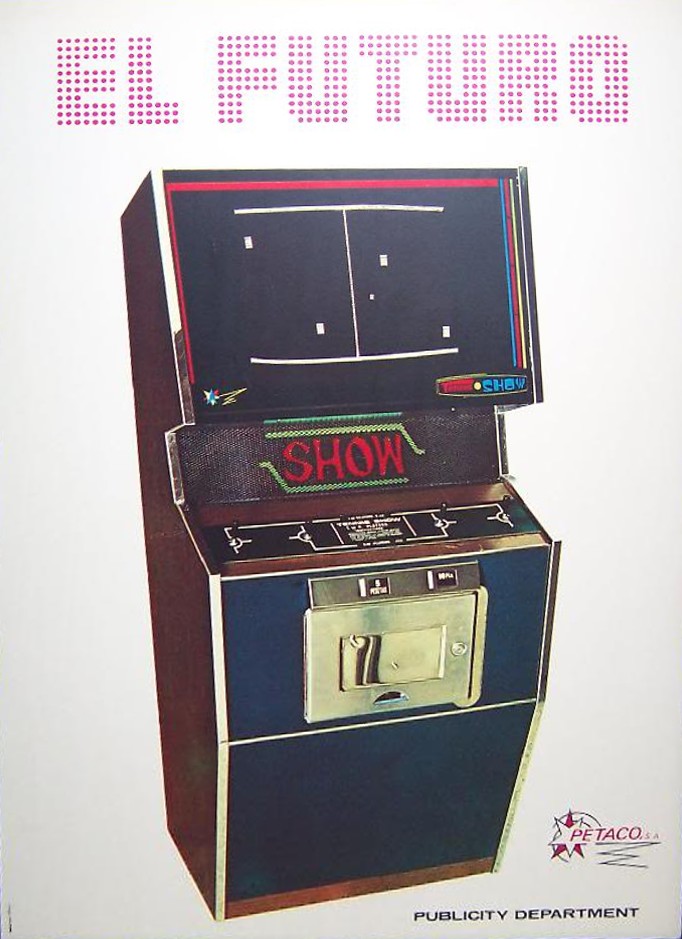
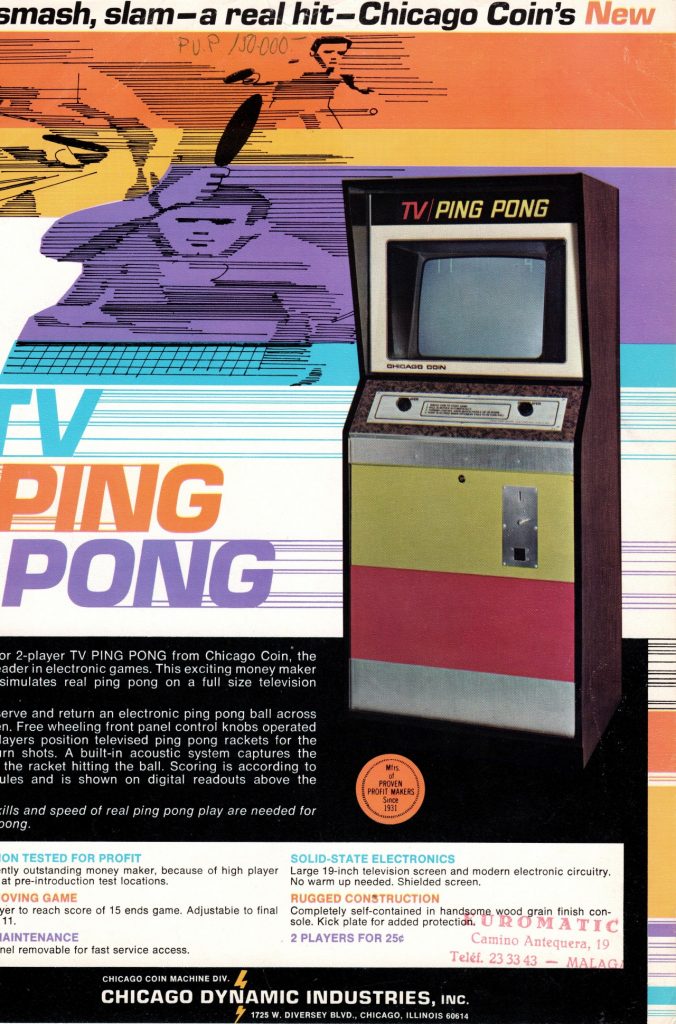
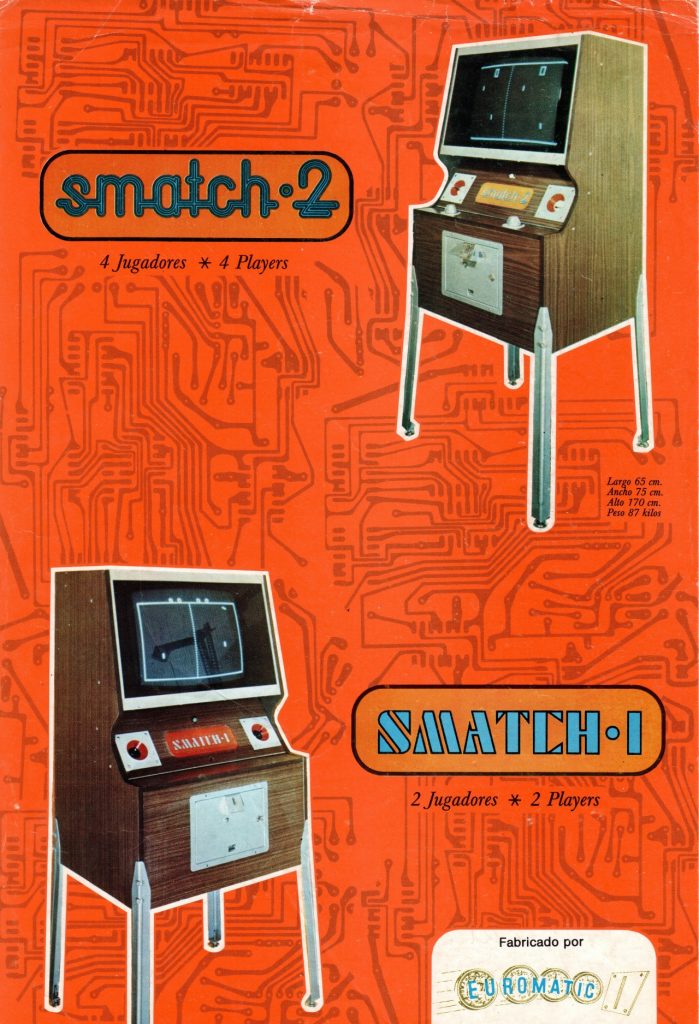
Soon after, as a result of the frenzy for this game, various Spanish arcade manufacturers jumped on the bandwagon, such as Centromatic, Euromatic, Petaco, and Famaresa, manufacturing and even importing Pong machines. The price of these types of machines was considerably higher in Spain than regular electromechanical and pinball game machines, due to the use of PCB electronic boards (usually imported, which were aggravated by import duties) and black-and-white televisions.
Images courtesy of Recreativas.org
Known at that time as “ping-pong,” it caused a sensation due to its novelty, simplicity of gameplay, and its placement in public and highly frequented places such as bars and shops (something that in Spain is never lacking). It marked the first encounter with video games for many people. However, “ping-pong” was only a fad that lasted until 1975 when most manufacturers in the amusement business abandoned the production of this type of machines.
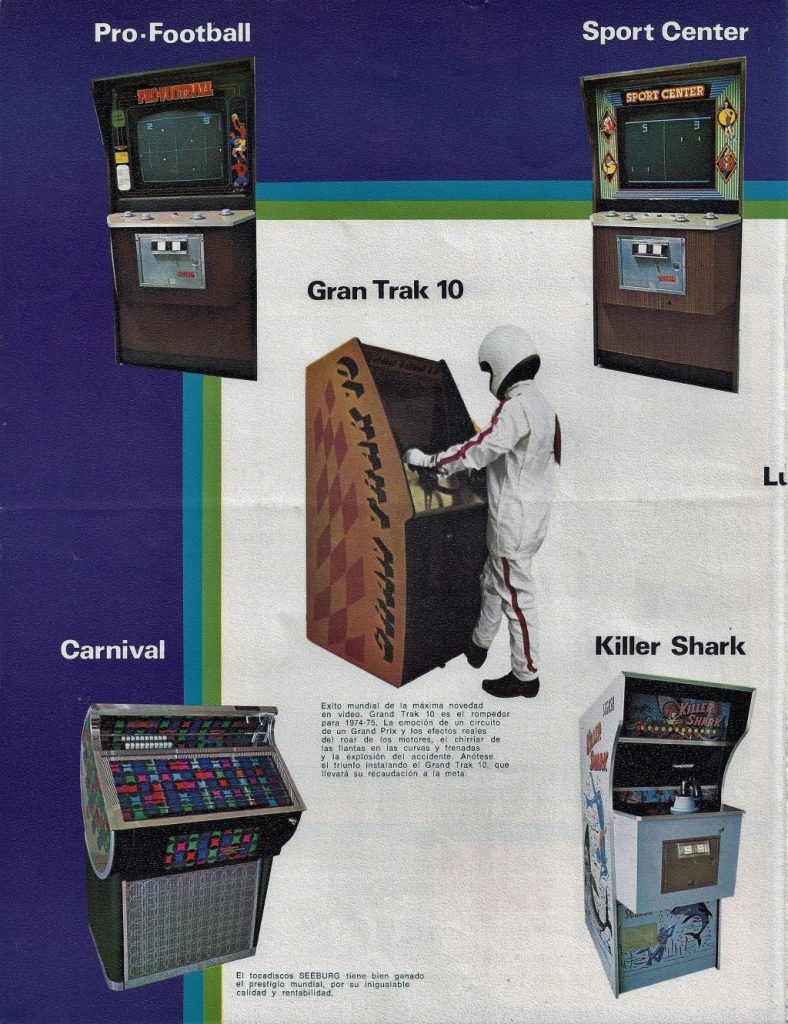
Segasa (which was renamed to Sonic in 1976 to avoid legal issues with Sega) was practically the only company that bet on the so-called “video machines” sector, manufacturing licensed machines from Atari, Midway, Williams, and Taito.
Segasa catalog from 1974-75. Courtesy of Recreativas.org
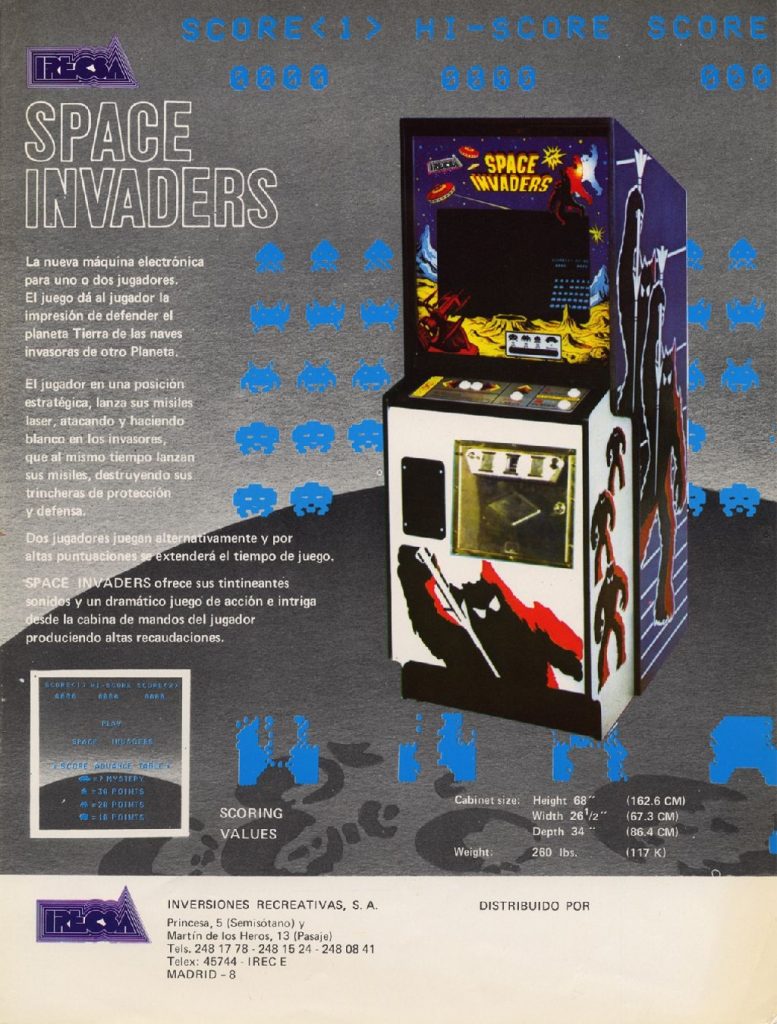
The “video machines” experienced a rebirth in 1979 with the arrival of Space Invaders and Galaxian, with many Spanish companies in the arcade sector joining the video machine trend. Unlike before, this wasn’t just a passing trend but something that was going to stay. This undoubtedly marked the beginning of the so-called “golden age” of arcades, which took place between the late 1970s and the mid-1980s.
IRECSA’s Space Invaders, licensed from Midway Image courtesy of Recreativas.org
Introduction of Video Game Consoles in Spain
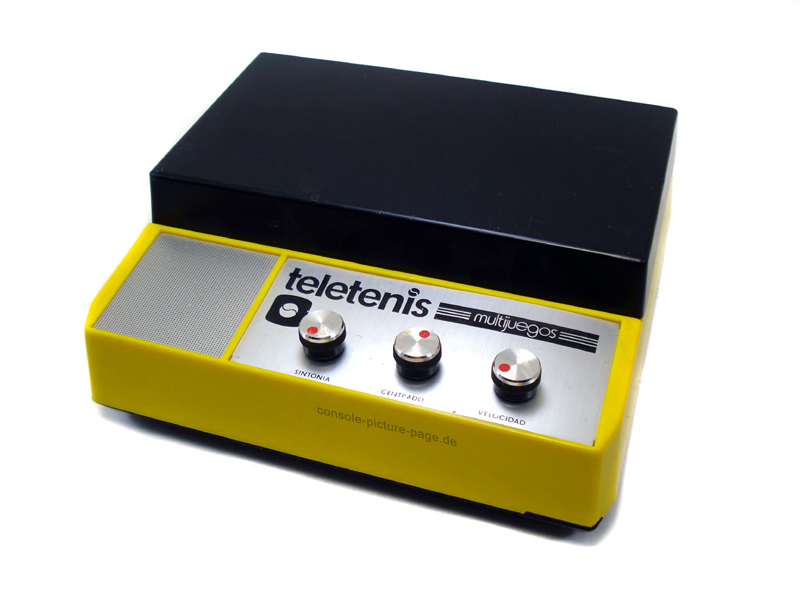
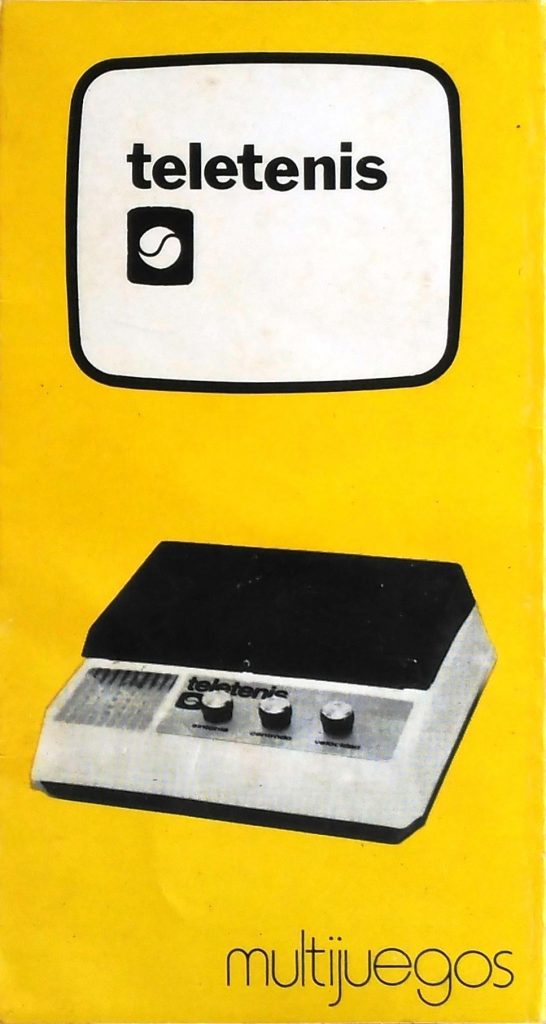
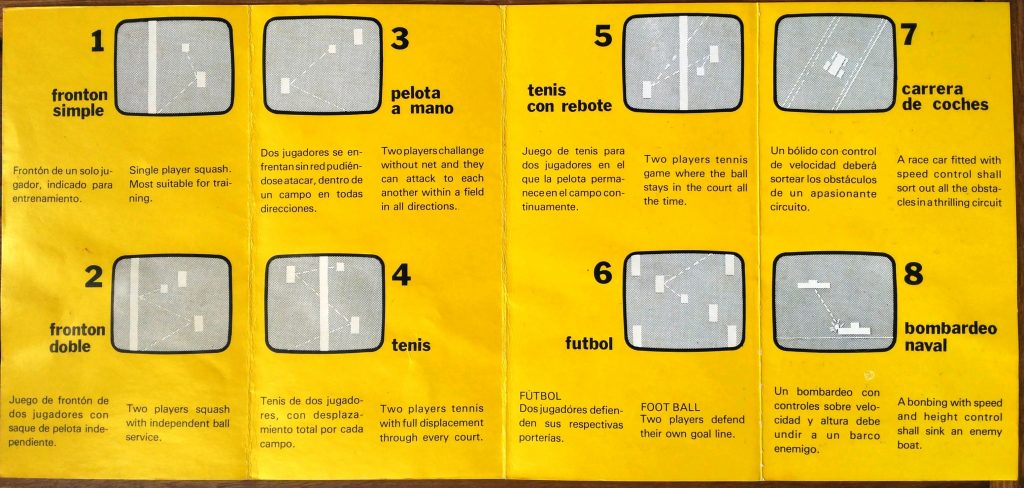
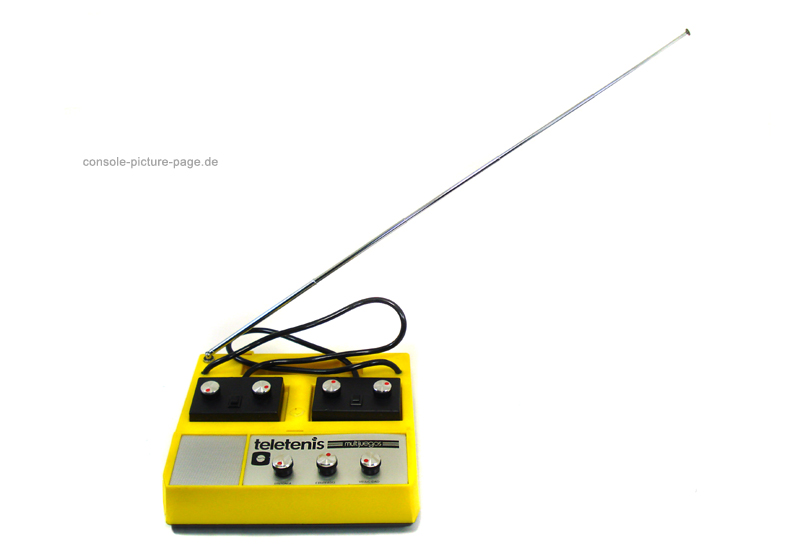
The next attempt in Spain to manufacture a video game console came from the Valencian company Togisa, S.A., which released the Teletenis Multijuegos in 1976.
Unfortunately, due to ignorance and lack of awareness, this console is often classified as a “second-rate” console, specifically a late 1970s Pong-type console. However, it is actually a device predating this era and quite interesting. The system used CMOS chip technology and employed cartridges, with a catalog of 8 games.
Images courtesy of Retro Ordenadores Orty
Its most notable feature is that the console had a telescopic antenna, allowing it to be tuned into a television from the console’s tuning control, making it a wireless console. Alongside the Japanese Epoch Electrotennis, it was one of the few consoles to feature this technology, although the Epoch device required an external device for tuning, whereas the Teletenis Multijuegos had it built-in.
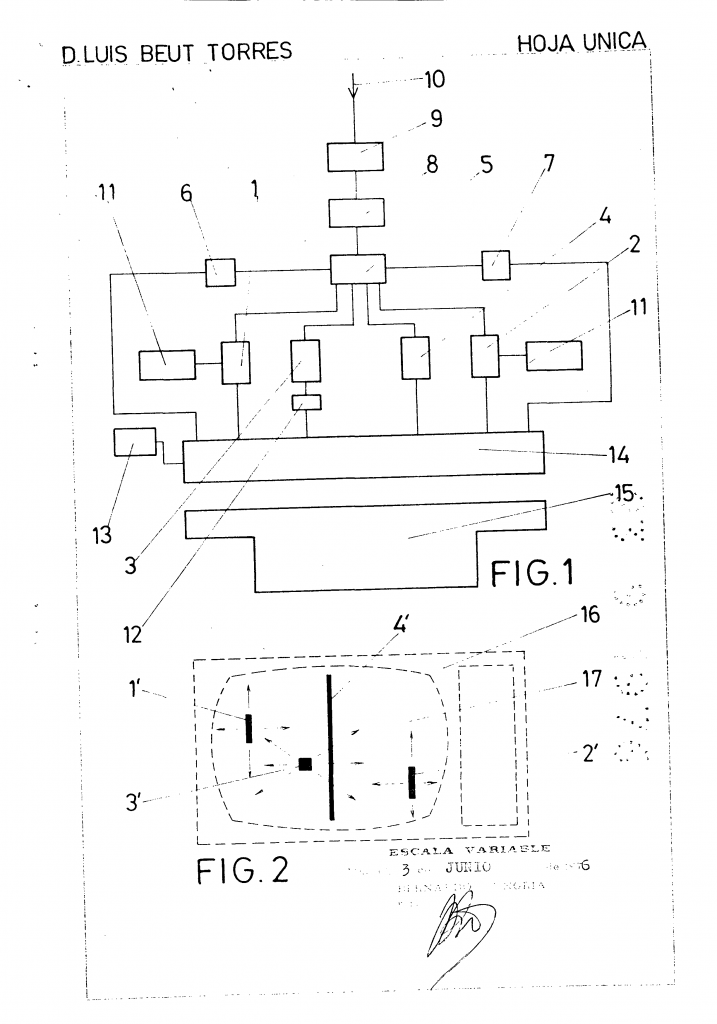
The device was designed by engineer Luis Beut Torres, based on the design of the German Interton Video 2000 and the Philips Video Spiel consoles. Not many units were manufactured.
Teletenis Multijuegos patent. Courtesy of the Spanish Patent and Trademark Office.
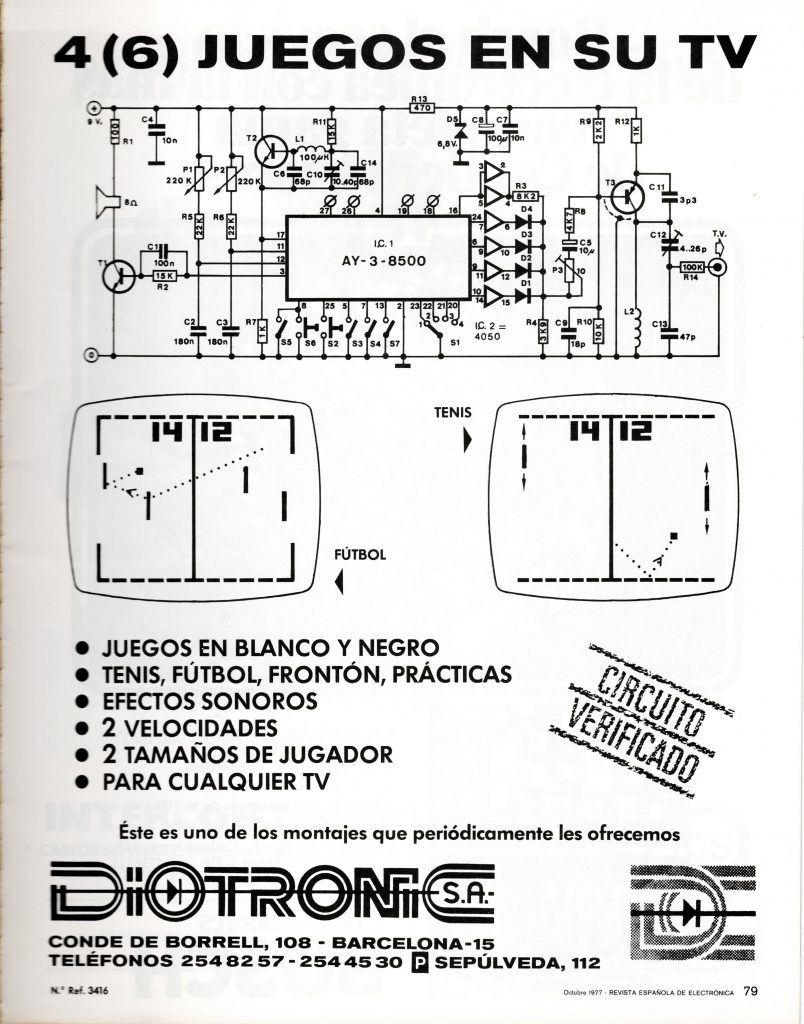
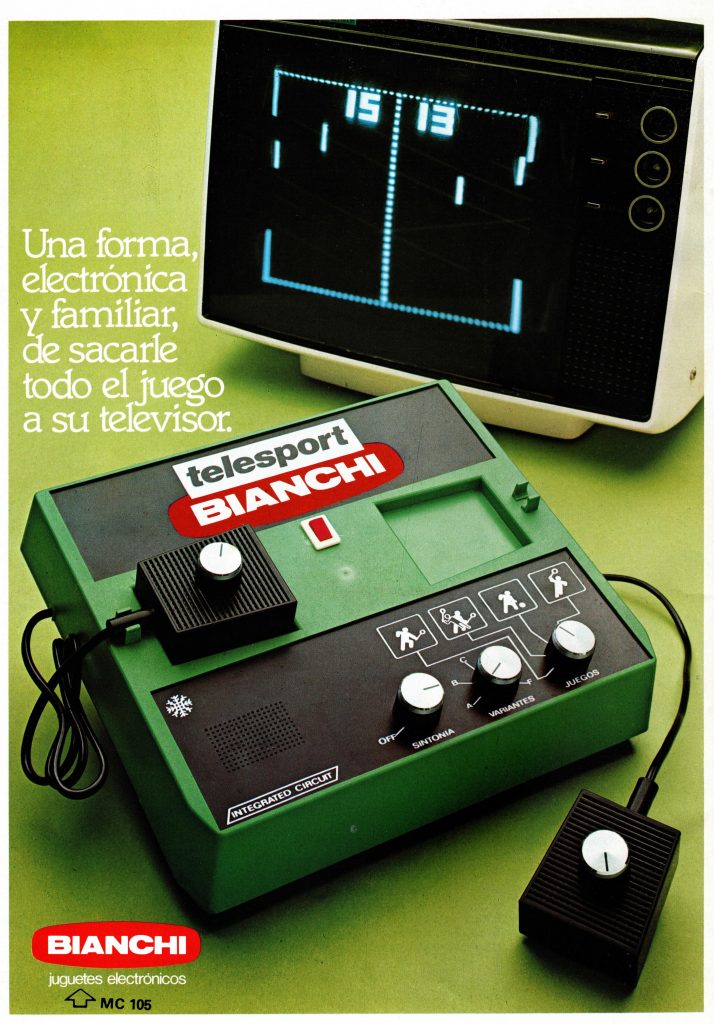
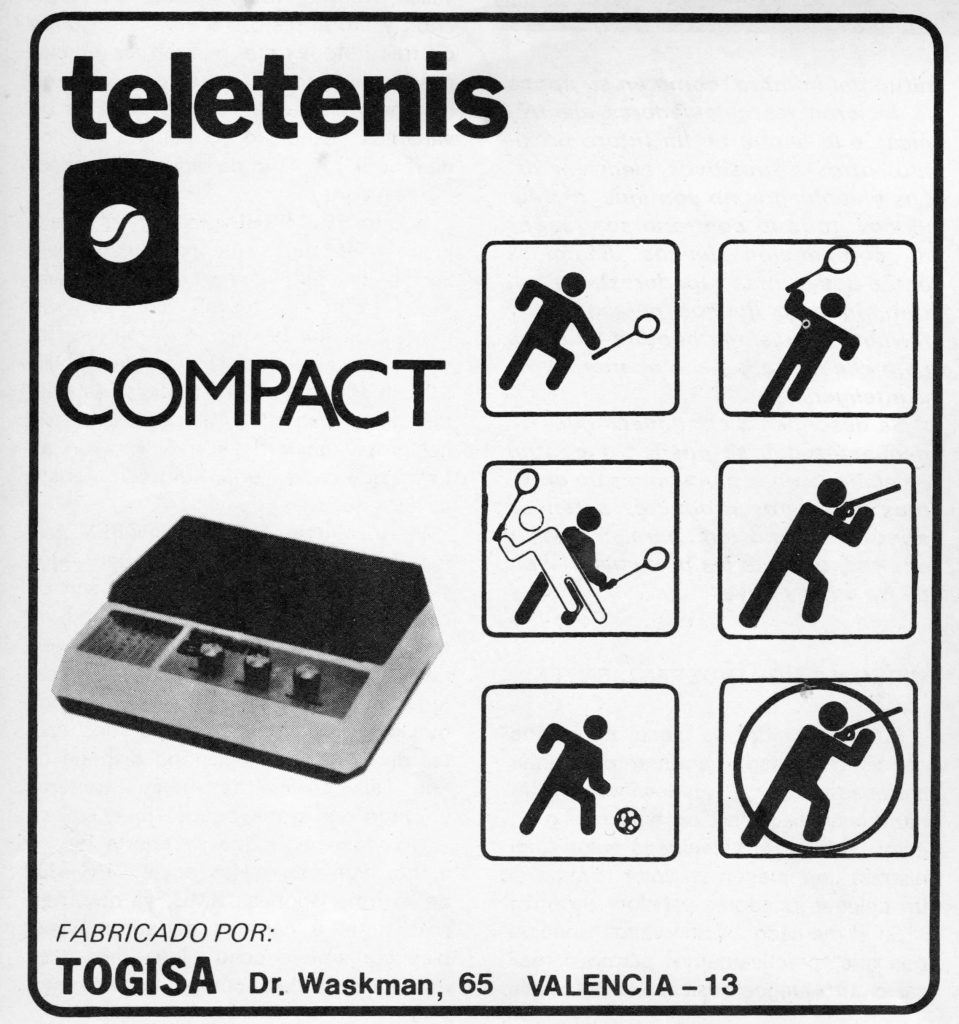
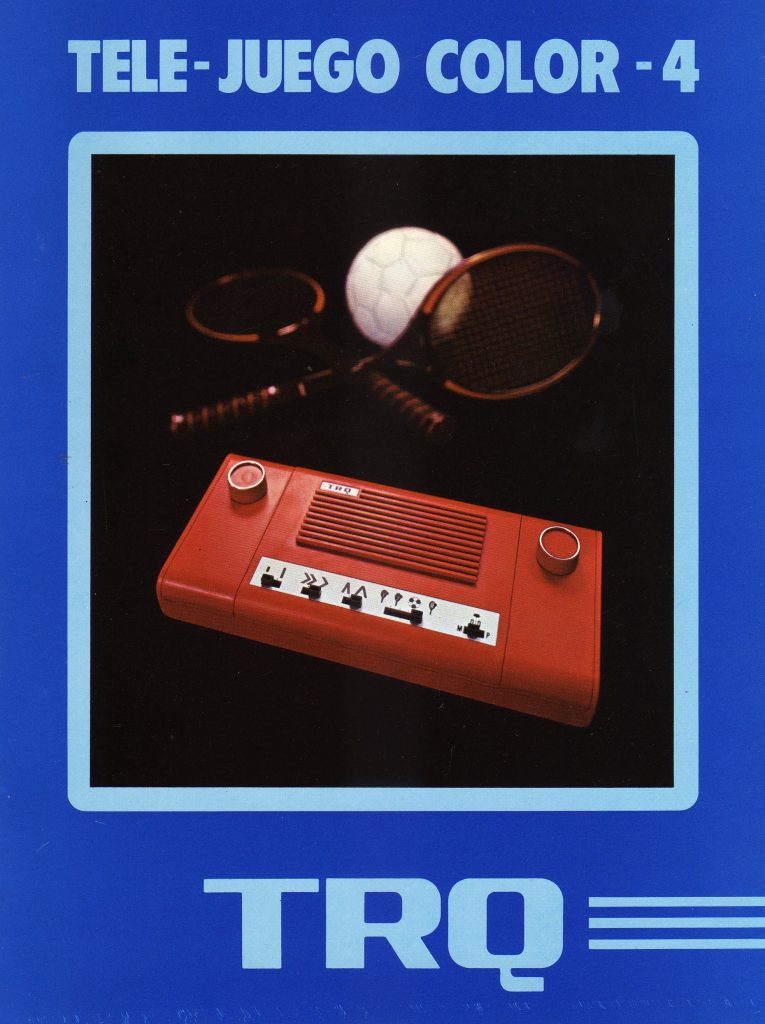
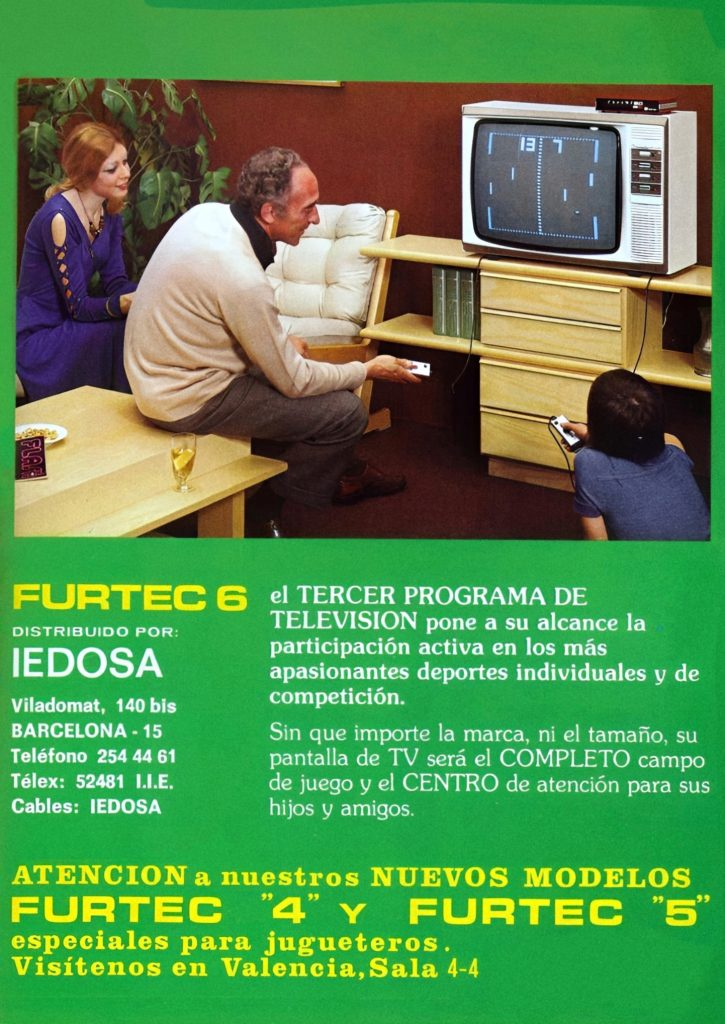
Home gaming in Spain achieved its first significant success in 1977 with the introduction and commercialization of consoles based on the AY-3-8500 chip from General Instruments (Pong On A Chip), which integrated variants of the “Pong” game.
Due to the simplicity and low construction cost enabled by the use of this chip, many entrepreneurs began manufacturing their own video game consoles. This created intense competition, leading to price wars and a diversity of options, making these devices affordable and widely distributed, entering many households from Spain.
Images courtesy of David Jorge, Alfonso Sanz Utrilla, and Raffotek.
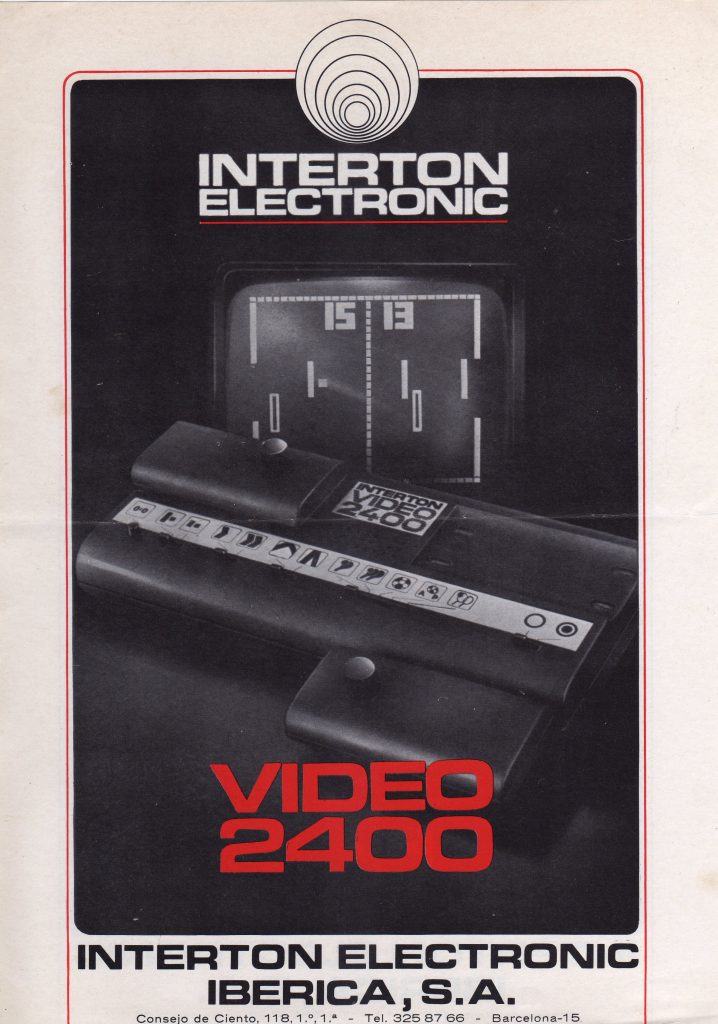
Spanish national companies such as Togisa, Alreac, Master Electronics, Iedosa, and Bianchi, some of which had prior backgrounds in electronics or the toy industry, joined the “fad” that would last for several years. Foreign companies, like the German Interton, also ventured into the Spanish console market. Additionally, there was a growing influx of imported consoles from the East, from brands like Conic, Soundic, Temco, Regina, and others.
Image courtesy of Alfonso Sanz de Utrilla
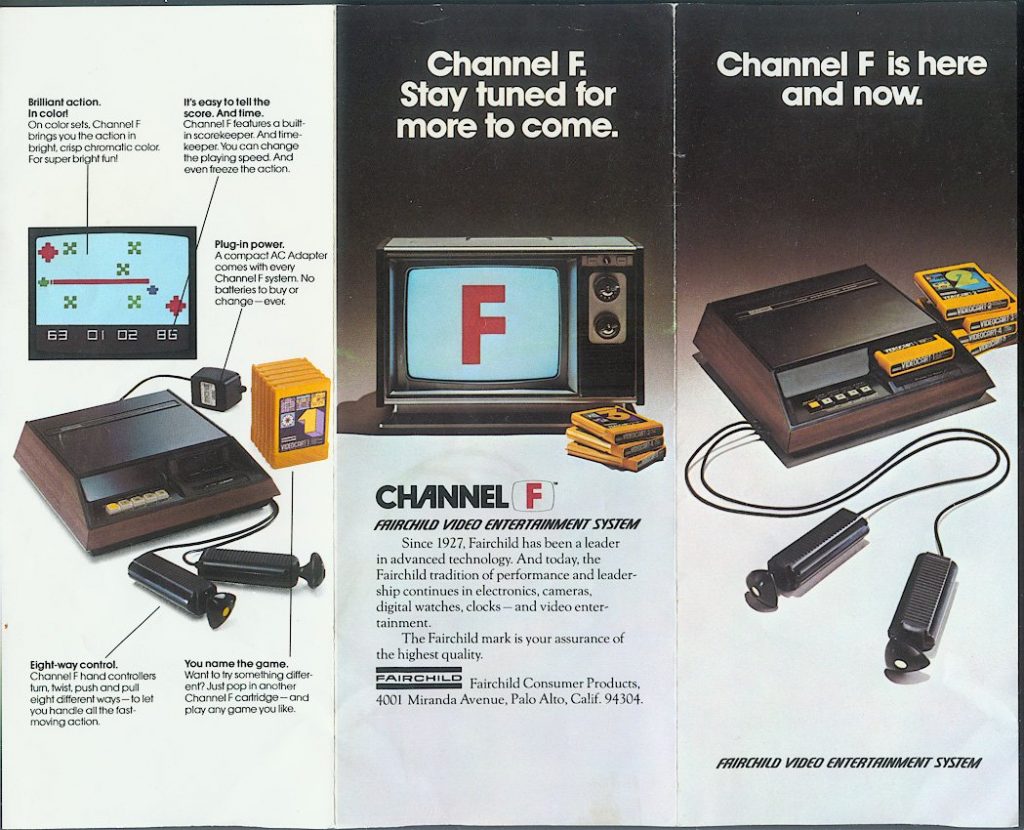
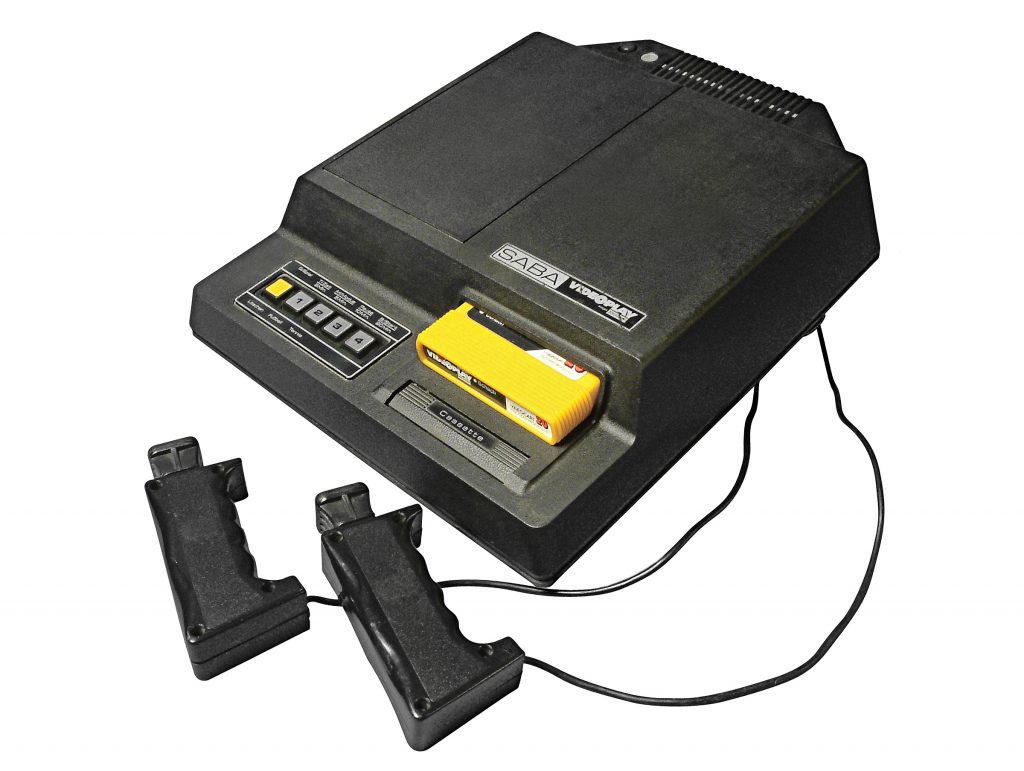
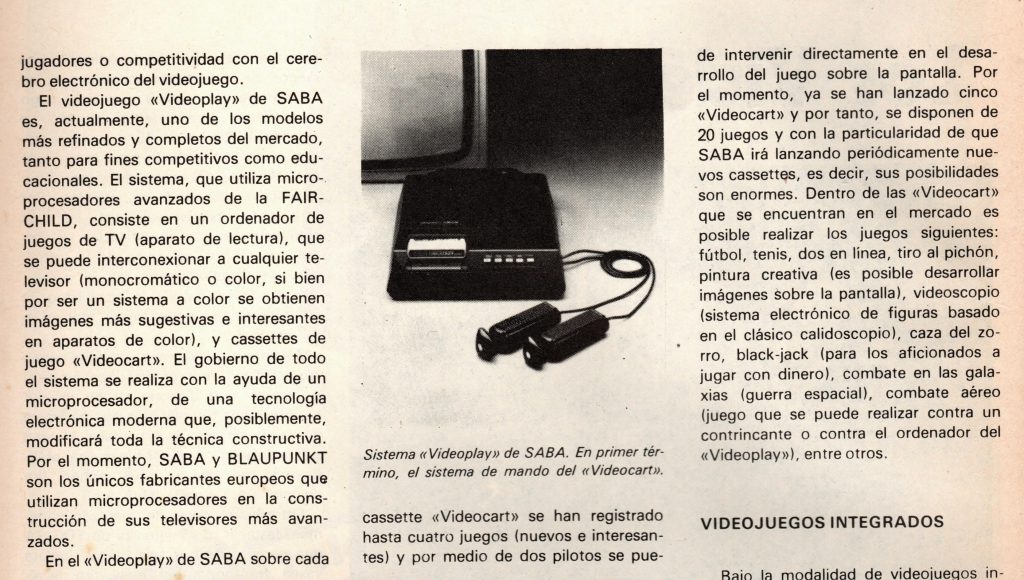
However, the future of the video game sector, sooner or later, would be consoles based on microprocessor with interchangeable ROM cartridges. The first console to use cartridges in history was the Fairchild Channel F, introduced in the US by Fairchild Semiconductor in November 1976.
In Europe, it was marketed by the electronic company Saba as Videoplay in 1977.
Although the console met with very little success across Europe, it was distributed in Spain by Saba España in 1978, imported directly to authorized Saba retailers. It made its first appearance in an December 1977 issue of Mercatronic magazine dedicated to video games, which noted that the console had not yet been released in the Spanish market.
Mercatronic – December 1977. Courtesy of David Hofmann
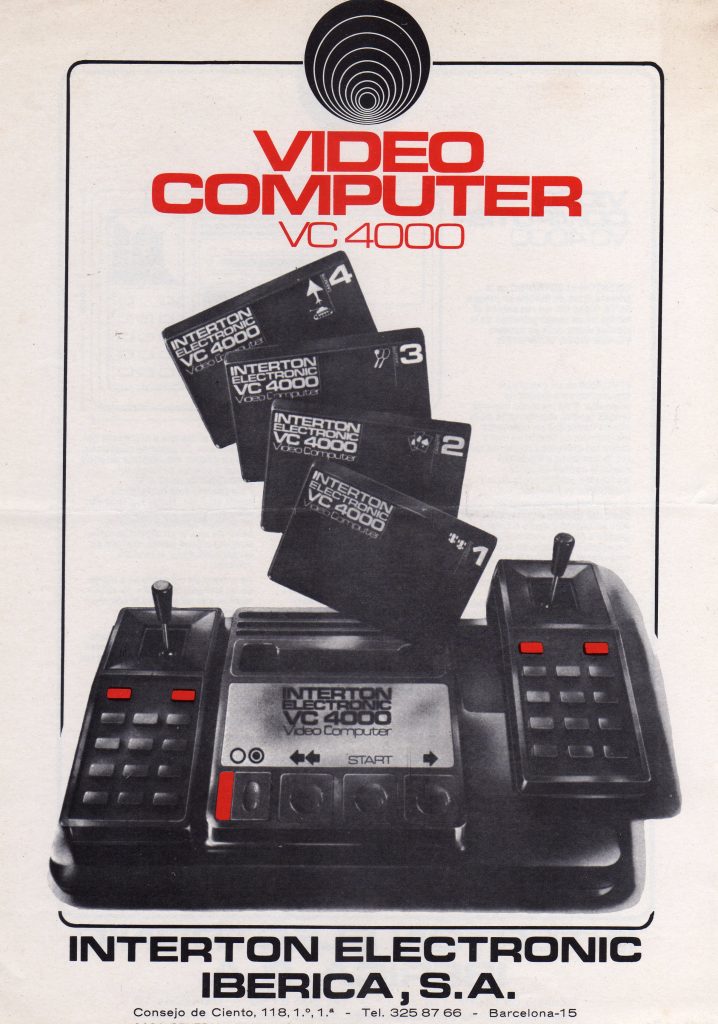
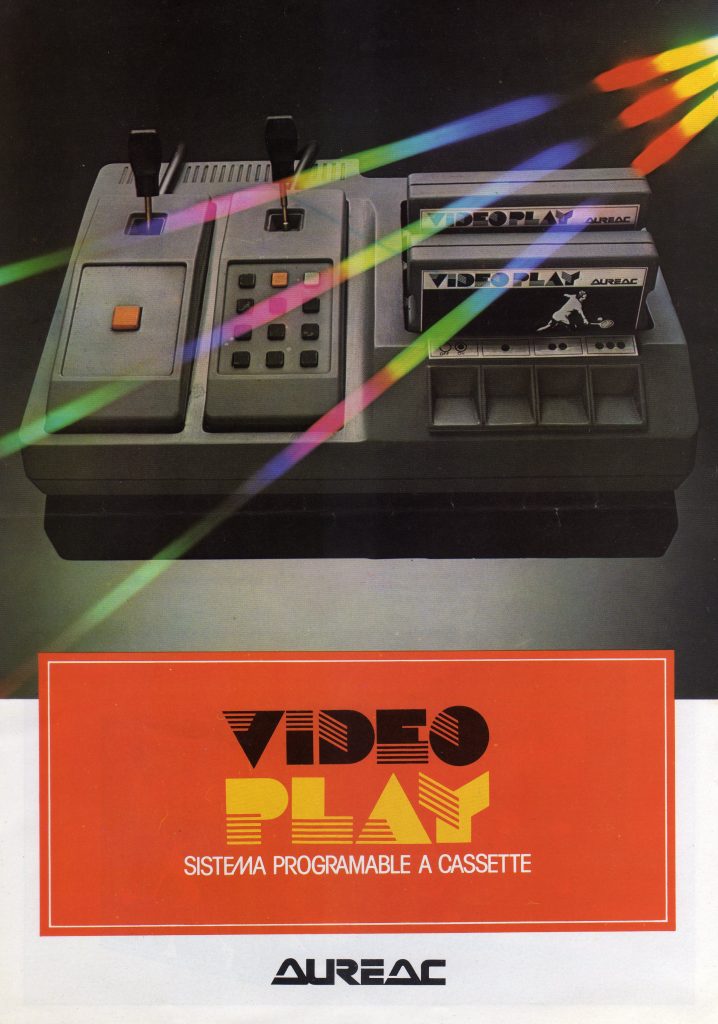
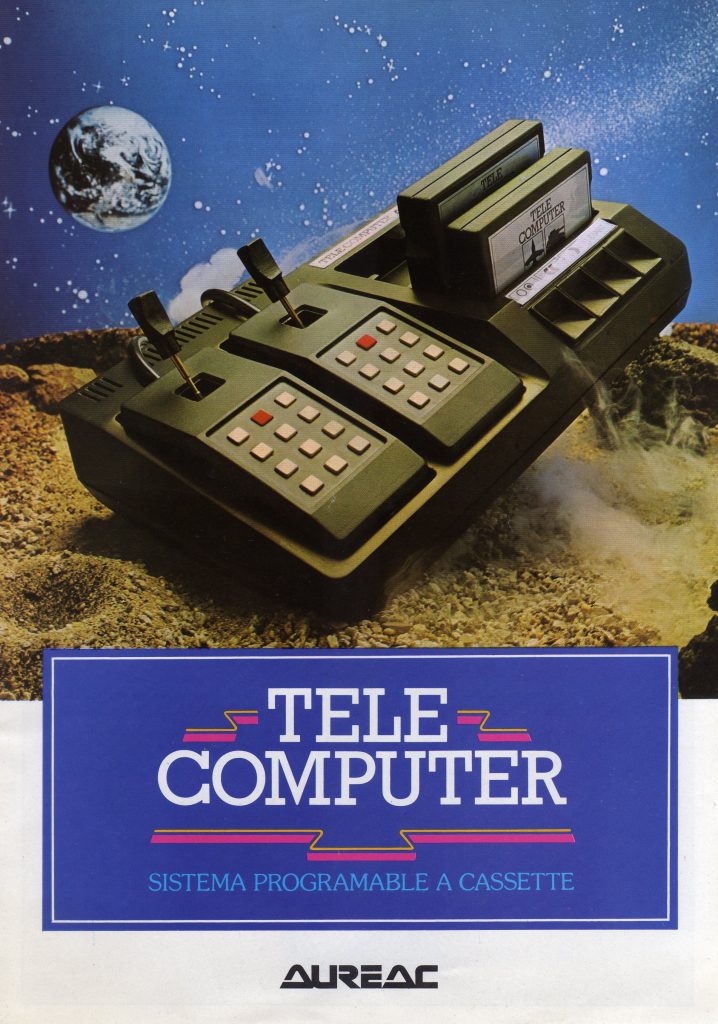
Between 1978 and 1982, consoles with cartridges based on the Audiosonic 1292 Advanced Programmable Video System were introduced. In Spain, systems such as the Interton VC 4000, Video Play and Tele Computer by Aureac, the TRQ H-21, and the Palson Tele Computer appeared.
Images courtesy of Alfonso Sanz de Utrilla
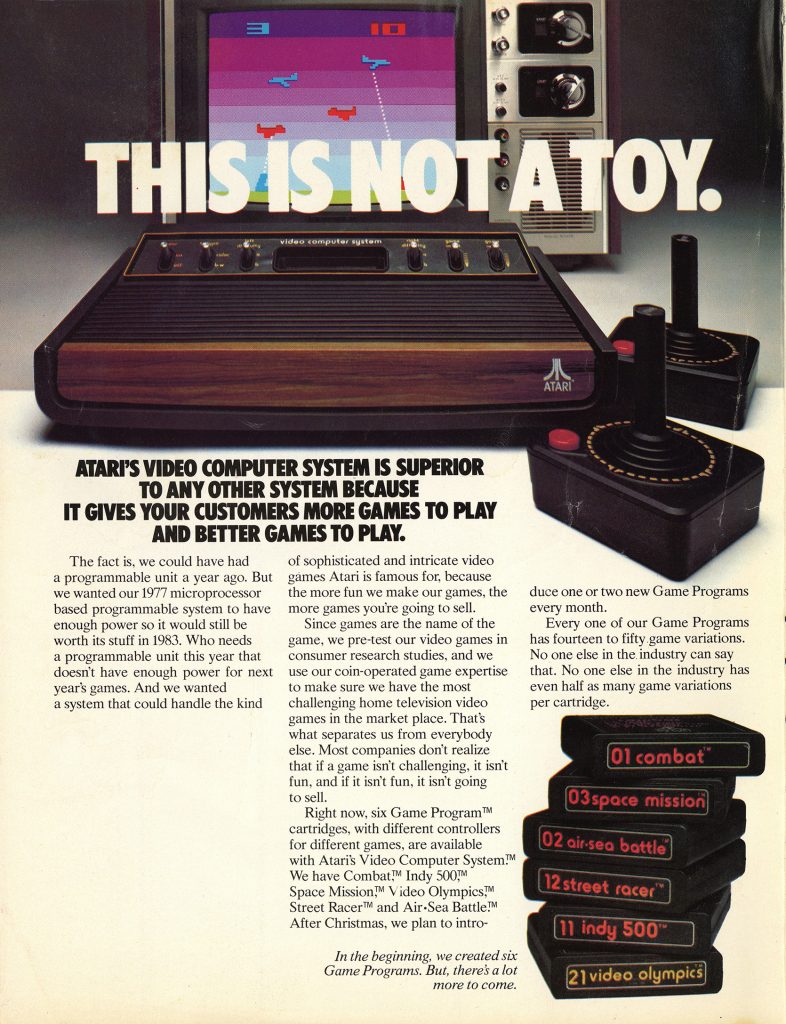
But the big revolution in all of this, as is well known, was created by Atari with its legendary Video Computer System or VCS (later renamed Atari 2600) launched in the United States in 1977.
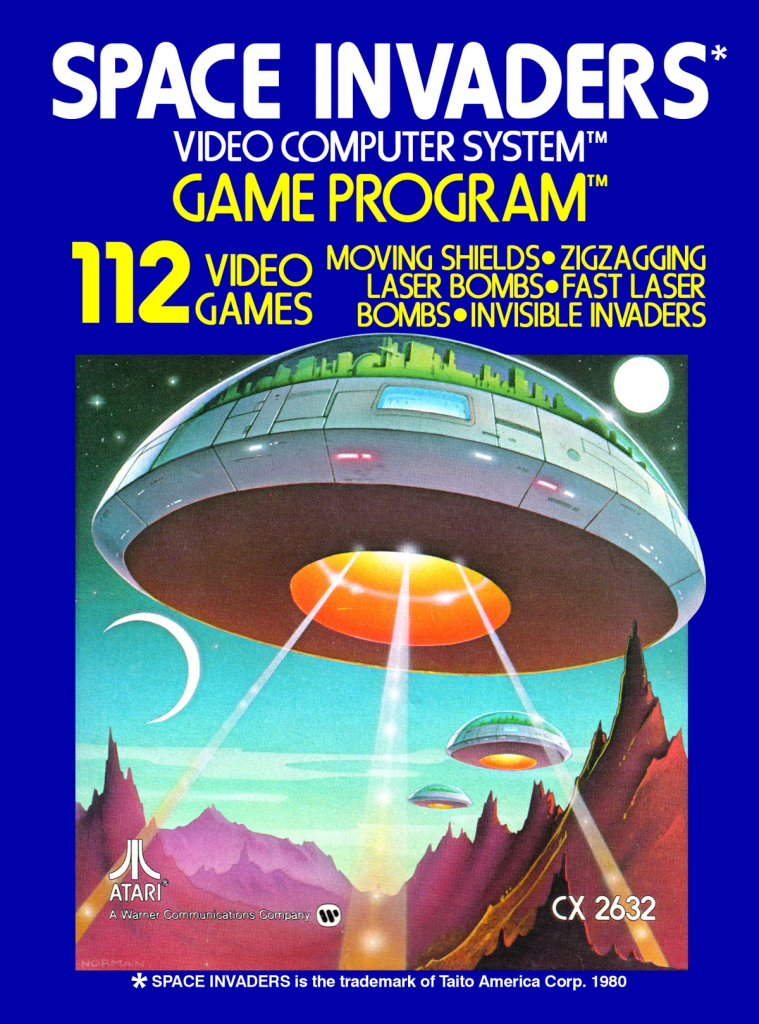
While it had been timidly introduced in the European market and sold relatively well in the United States, it wasn’t until 1980, with the release of the Space Invaders adaptation, that the Atari 2600 began to have significant success.
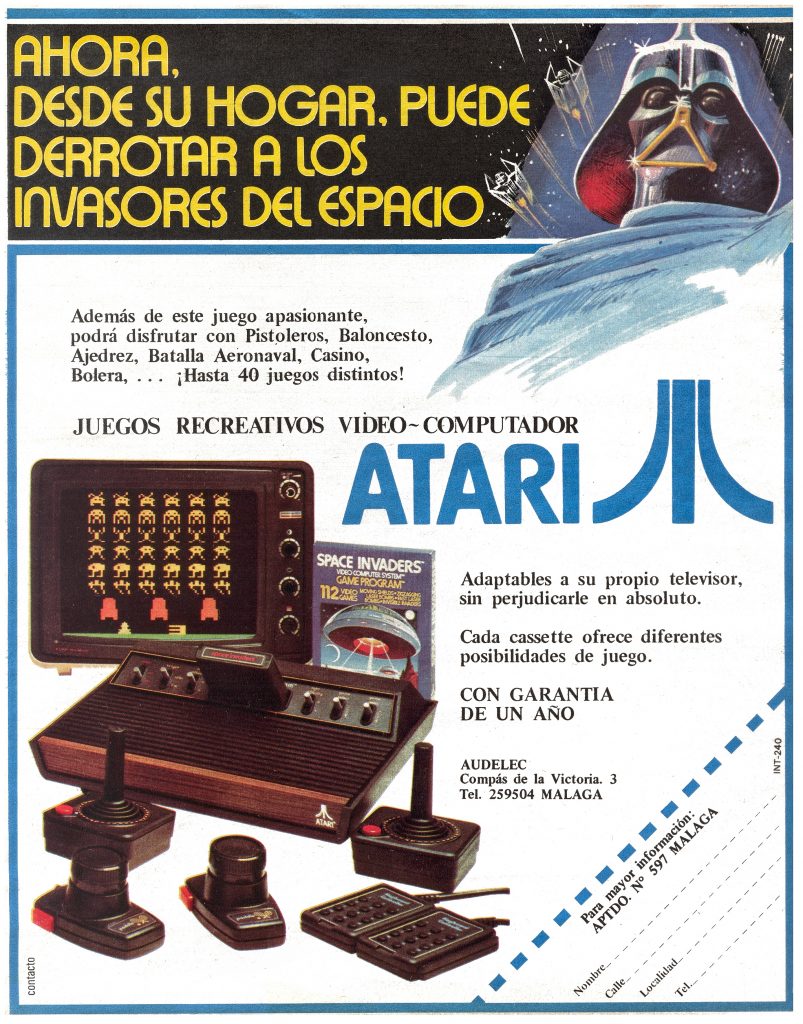
In Spain, it was initially sold in 1979 in bazars and department stores through imports. The Atari 2600 was officially launched in Spain in 1980, distributed by the Malaga-based company Audelec, S.A. (Audio-Electrónica, S.A.)
Despite slow initial sales due to its high price of 25,000 pesetas, demand multiplied by 5 during the Christmas of 1980, selling the around 5,000 units they had in stock. By 1981, Atari-Audelec had established itself as a leader in the emerging video game industry in Spain. They created a new paradigm.
What happened to Inter? And the inventor of the Overkal?
In the mid-1970s, the imminent arrival of foreign brands to the Spanish market posed a serious threat to the survival of domestic manufacturers. In 1973, the Gómez Aparicio brothers entered into private negotiations with the German firm Grundig for the sale of Inter Electrónica and all its subsidiaries. This move would allow Grundig to establish a foothold in Spain through an already deeply rooted company within the sector. The agreement eventually became public in 1977 and was formally finalized in 1978, with the company being rebranded as “Inter-Grundig.”
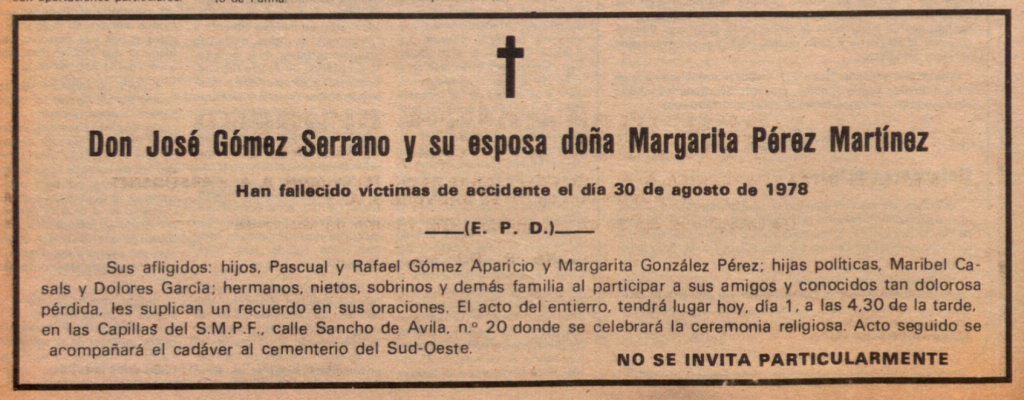
On August 30, 1978, José Gómez Serrano, the company’s founder and mentor, tragically passed away alongside his wife in a traffic accident. This was devastating news for his loved ones and the entire company.
The Inter brand would eventually disappear, becoming only Grundig, although the company continued to be called “Inter-Grundig, S.A.”
Around the 1980s, the Travessera de las Corts factory was renamed Fabricante Europeo de Televisores, S.A. (FETESA), manufacturing televisions for other brands.
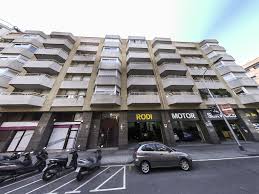
In 1992, the company, now known as Grundig España, closed its factory due to the trend of many established electronics brands in Spain to relocate their factory operations. The building was demolished, and in its place, a residential block was constructed in 1996, with a mechanical workshop on the commercial ground floor.
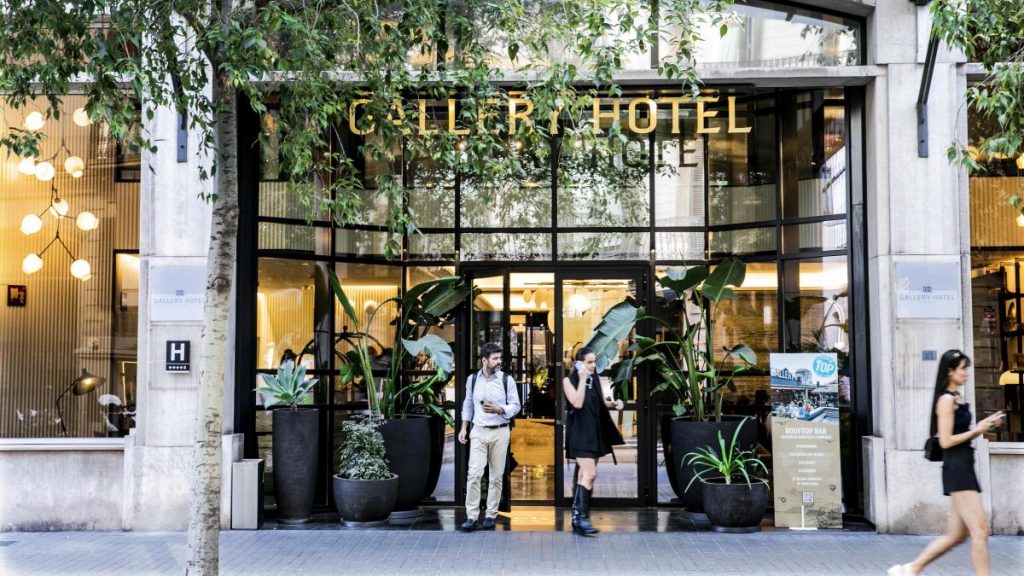
With the merger of Inter and Grundig, the Gómez Aparicio family left the electronics industry to focus on the real estate sector, founding Inmobiliaria Alhambra. They currently own the Gallery Hotel in Barcelona, situated on Rosellón Street, very close to the former Inter offices. Pascual passed away in 2014 at the age of 89, following a long illness.
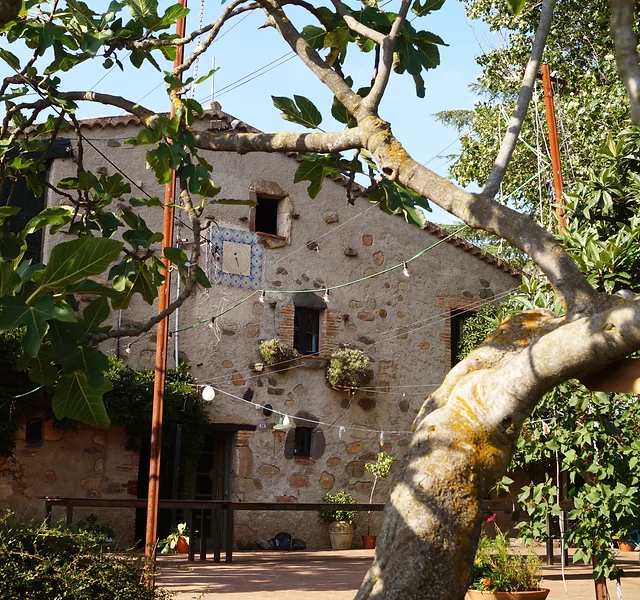
On the other hand, the owner of the Overkal patents and designs, Santiago Arcocha, continued his work in the healthcare sector until his retirement in the early 1980s. He focused on his hospitality business located on the road between Cardedeu and Cànoves i Samalús, the rural hotel Can Manteuet, which he managed with his son. Santiago passed away in May 2007 at the age of 83.
Can Mateuet Hotel
Felipe Mor, on the other hand, continued his work at Inter-Grundig, although no longer with the same creative power as when Inter was an independent company, given that electronic designs now came from Germany. He retired while still with the company. He spent his last days writing and leading a quiet life between Rubielos de Mora and Palafrugell. He passed away at the age of 87 in January 2023 after an illness.
Conclusions
There is no doubt that this research has taught me a great deal, but without a doubt, the most important lesson is that you should never underestimate the possibilities of finding new information, no matter how much time has passed.
It stands to reason that, because there has never been a genuine, dedicated interest in the origins of video games in Spain, I had to investigate and seek out most of the data presented here on my own. Considering I am neither a journalist nor an academic, and I’ve only ever set foot on a university campus to wait for my friends to grab some beers after class… I don’t think I did a bad job.
This brief history serves as yet another example of how much has been lost due to the underappreciation of video game history outside the borders of the United States and Japan, particularly regarding its early days. While heavily influenced by those countries, I believe it is crucial to emphasize the need to document local histories.
Another contributing factor to this lack of information is the fact that the 1970s video game scene in Spain is often omitted or barely explored when the medium’s history in the country is discussed. Most publications focus primarily on the post-1980 arcade era and the dawn of Spanish software development in 1983.
Some people might think the Overkal falls into the same category as the famous “Famiclones” (NES clones), but in an “archaic” way. This is a comparison I find unconvincing based on what I have tried to convey in this article. The Magnavox Odyssey was never officially released in Spain, and the Overkal was only sold in Spain.
We are not looking, therefore, at a case of imitation intended to unfairly compete with the original product, but rather a situation where the copy filled a void the legitimate product never reached. In this sense, although Inter Electrónica engaged in a form of industrial piracy, it was neither gratuitous nor purely opportunistic. It was the consequence of a non-existent operational licensing framework, a legal vacuum in Spain, and the absence of an official offering from Magnavox in the Spanish market.
Based on the history presented here, the Overkal stands as a fundamental milestone in the history of video games, not just in Spain, but in a global context. It was an early manifestation of how local innovation could reinterpret and expand the boundaries of an emerging technology.
The Overkal did more than just introduce home video gaming to a country dealing with a complex socioeconomic context—marked by the peculiarities of late Francoism; it also serves as a precedent for adaptability and technical vision outside the major technological hubs. It is important to highlight that its emergence occurred in a 1970s Spain undergoing a profound political and social transition, with limited industrial structures and an incipient international openness.
In this historical context, characterized by economic restrictions, state control, and a still-fragmented cultural market, the creation and commercialization of a product like the Overkal takes on a much more significant dimension.
Despite everything, I cannot help but feel a certain sense of helplessness knowing that Felipe Mor Pérez, Santiago Arcocha Noguera, and Pascual Gómez Aparicio left this world without ever knowing that their “creation,” conceived half a century ago, would eventually spark interest and fascination among researchers and enthusiasts.
However, from a more positive perspective, I take personal solace in having contributed—through the recovery of their memories—to rescuing their names from obscurity and reclaiming the modest yet meaningful place they deserve in video game history.
It might be easy to reproachfully argue that the work of these individuals lacks merit, given that their contribution consisted of copying and modifying the Magnavox Odyssey to adapt and market it in Spain.
Nevertheless, one only needs to look closely at the history of computing, video games—and, indeed, technology as a whole—to see that many of its greatest milestones were not born from entirely original ideas. Rather, they stemmed from the ability of certain clever individuals to spot a good idea, reinterpret it, adapt it to their context, and often perfect it.
Look no further than the video game field itself; Atari drew inspiration from the Magnavox Odyssey’s Ping-Pong to create Pong, thereby generating the first major success of the video game industry. At this point, it is well known that Atari did not invent video games, of course, but they were the ones who popularized them and turned the medium into the massive industry it is today.
In this regard, while Felipe Mor Pérez might not play in the same foundational league as Ralph Baer (creator of the first video game console in history), Nolan Bushnell (founder of Atari), or Al Alcorn (developer of Pong), I personally believe that his creation and his name deserve a place in the grand history of video games. Perhaps not for the foundational significance of having invented or popularized a new medium, but for having been the first person to envision and bring to life a video game console outside of the United States.
It is clear that my work is also a tribute to Inter Electrónica, and to everyone involved with the company, for their significant contribution to the history of the Spanish electronics industry, particularly in the fields of radio and television. And of course, to Ralph Baer, the father of the first video game console.
Although there are elements of this story that will remain lost forever, I never lose hope of finding more, and I will continue to try, as long as my motivation for this work and my free time allow me.
This article is still unfinished, and it will never be complete, so it’s not surprising that it will receive sporadic updates. Whether it’s little or a lot of information, it should always be appreciated.
If you’ve made it this far, thank you for reading. If you would like to support me, please share this article. I would be very happy to see my work spread.
Special Thanks
I want to thank all the people who have been able to help me in this research in some way. I cannot mention everyone, but I want to thank:
José María Gómez Torres
Santiago Arcocha Noguera, Jr.
Mor Valverde family
Pascual Gómez Casals
Adrián Morcillo
David Hoffman
Marçal Mora
Tatiana Delgado
Martín Arrúa
Sly DC
Mario Luis Díaz
Raffotek
Cuarto Milenio team
AmigaWave
Gaming Alexandria
Ethan Johnson
Inter and Grundig España former employees,
Ilitri and shurs from ForoCoches.
Without you, without your contributions, this would never have been possible.
MARTIN F. MARTORELL
References
Info and photos taken from:
“Overkal” of Marçal Mora (retromaquinitas.com)
“I.S.S.A Overkal” of David Winter (pong-story.com)
“Inter S.A. Barcelona” of El blog de Moebius (moebius-bcn.com)
Oficina Española de Patentes y Marcas (OEPM) (oepm.es)
Having read this I thought it was really enlightening.
I appreciate you taking the time and energy to put
this short article together. I once again find myself spending a significant amount of time both reading and commenting.
But so what, it was still worth it!
Great, thorough research! Thanks so much for making it available to English speakers. I saw the talk you gave and it’s great to know you were able to find even more information. This certainly taught me a lot about the Spanish electronics industry!







































Having read this I thought it was really enlightening.
I appreciate you taking the time and energy to put
this short article together. I once again find myself spending a significant amount of time both reading and commenting.
But so what, it was still worth it!
Great, thorough research! Thanks so much for making it available to English speakers. I saw the talk you gave and it’s great to know you were able to find even more information. This certainly taught me a lot about the Spanish electronics industry!